Quick Answer:
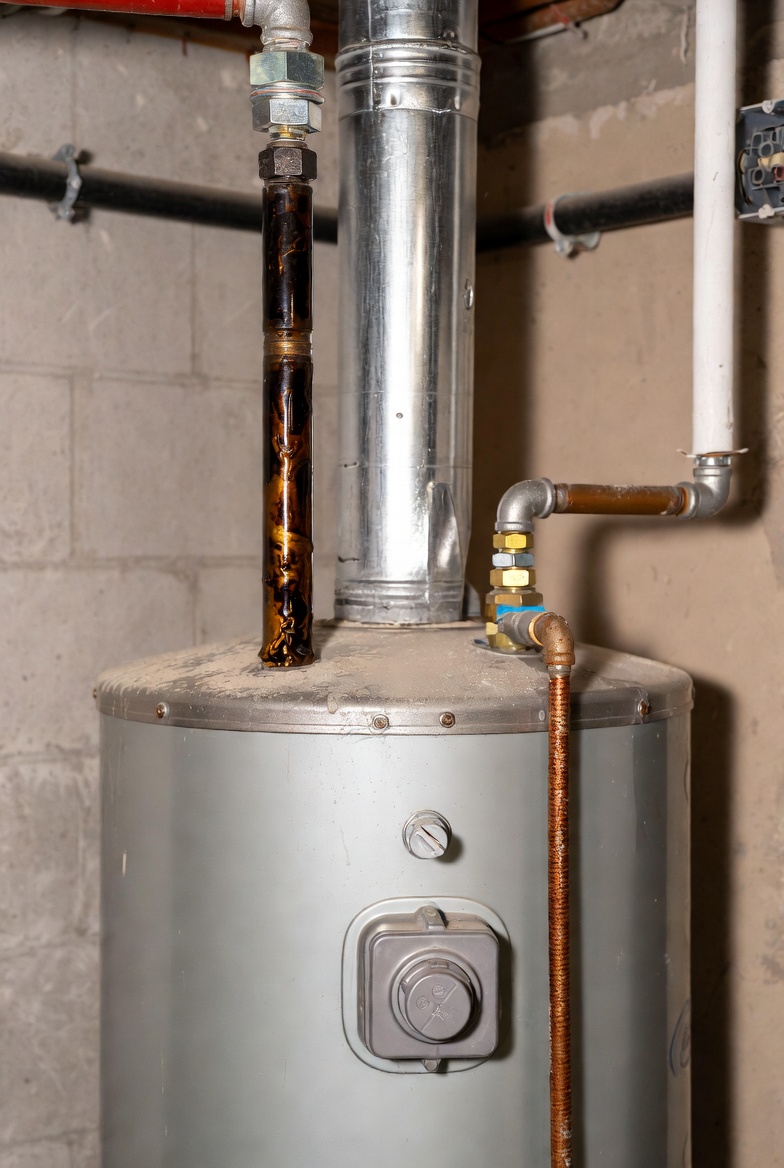
If only the hot water suddenly smells, tastes, or looks different while cold water is fine, shut off the heater power right away, flush the heater and hot lines, then restore power and retest. This isolates the heater and removes common causes like sediment or bacteria before deciding whether you need a professional.
Why This Happens
When cold water is fine but hot water changes suddenly, the problem is usually inside the water heater or the hot-water plumbing. Common causes include:
- Sediment build-up in the tank that releases odor or discoloration when heated.
- A failed or corroded anode rod that lets metallic or rotten-egg smells develop.
- Bacterial growth in stagnant water at low heater temperatures.
- A failing dip tube or internal component that allows mineral concentration or cross-connections.
- For tankless units, a failed heating element or scale build-up that changes taste or clarity.
If you notice an odor specifically from the hot side, see the related topic: Hot water smells bad but cold is fine. If you recently drained or refilled the heater, a short period of cloudy or milky water can happen; that situation is described in Hot water cloudy after heater refill.
Step-by-Step What to Do
Step 1 — Shut off heater power
- Turn off electrical power at the circuit breaker for an electric heater.
- For gas heaters, set the gas control to “off” or “pilot” per the manufacturer’s label. If you smell gas, leave the house and call your gas company or emergency services; do not try to fix it yourself.
- Turn off the cold-water supply to the heater if you will be draining it.
Step 2 — Confirm the problem is the hot side and isolate taps
- Run a cold tap and a hot tap together to confirm cold remains clear and normal.
- Check multiple hot fixtures (kitchen, bathroom, laundry) to see if the issue is whole-house or only one fixture.
Step 3 — Flush the heater to remove sediment or stagnant water
- Attach a garden hose to the heater drain valve and run the hose to a safe drain or outdoors.
- Open a hot faucet in the house to allow air in, then open the heater drain valve and let the tank drain and flush until the water runs clearer—this may require refilling and draining once or twice.
- For mildly smelly water, flushing often clears the issue. If you’re unsure how to access the drain valve or if your unit is tankless, follow the manufacturer guide or call a pro; tankless units require different descaling steps.
- Beware of scalding water; wear gloves and keep people and pets away while flushing.
Step 4 — Refill, restore power, and retest
- Close the drain valve, remove the hose, and open the cold-water supply to let the tank refill. Keep a hot faucet open until water runs steady and all air is out of the lines.
- Turn the heater power or gas back on once the tank is full. Wait for the water to reach temperature, then test several hot taps for smell, taste, and clarity.
- If the problem persists after flushing and restart, the heater may need anode rod replacement, element replacement, or professional diagnosis.
What Not to Do
- Do not ignore sudden hot-only water changes — this can signal corrosion, bacterial growth, or a failing part.
- Do not drink or cook with suspicious hot water until it tests normal.
- Do not bypass or modify safety devices (pressure-relief valve, thermostats, mixing valves).
- Do not attempt to relight a pilot or work on gas connections if you smell gas — evacuate and call the gas company.
- Do not dismantle internal heater parts beyond simple drain/flush steps unless you have the correct tools and instructions.
When to Call a Professional
- Persistent odor, discoloration, or cloudiness after flushing and restart.
- Rusty or brown hot water, which may indicate internal corrosion or a failing tank.
- Visible leaks from the tank or pressure-relief valve.
- Unusual noises (popping, banging) that won’t stop after flushing or that get worse.
- Gas smells, suspected carbon monoxide, or any time you are not comfortable working near gas or electrical components.
Safety Notes
- Always shut off power before working on an electric heater. For gas units, follow the manufacturer instructions and stop if you smell gas.
- Hot water can cause severe burns. Open faucets gradually and keep hands clear of drain outlets.
- Wear eye protection and gloves when draining or flushing a tank.
- Be cautious when using a hose for draining—secure it and place the outlet where hot water won’t damage floors or landscaping.
- If you are unsure at any point, stop and call a licensed plumber or HVAC technician.
Common Homeowner Questions
- Q: How long should I wait after turning the heater back on before testing hot water?
A: Wait for the tank to fully reheat—typically 30–60 minutes for a full tank, shorter for on-demand systems. - Q: Can I keep using cold water if hot water smells or is discolored?
A: Yes, cold water is usually safe, but avoid using hot water for drinking or cooking until the issue is resolved. - Q: Will flushing the tank always fix the problem?
A: Flushing often clears sediment and short-term odors, but persistent problems may need anode rod replacement, element repair, or professional service.