Quick Answer:
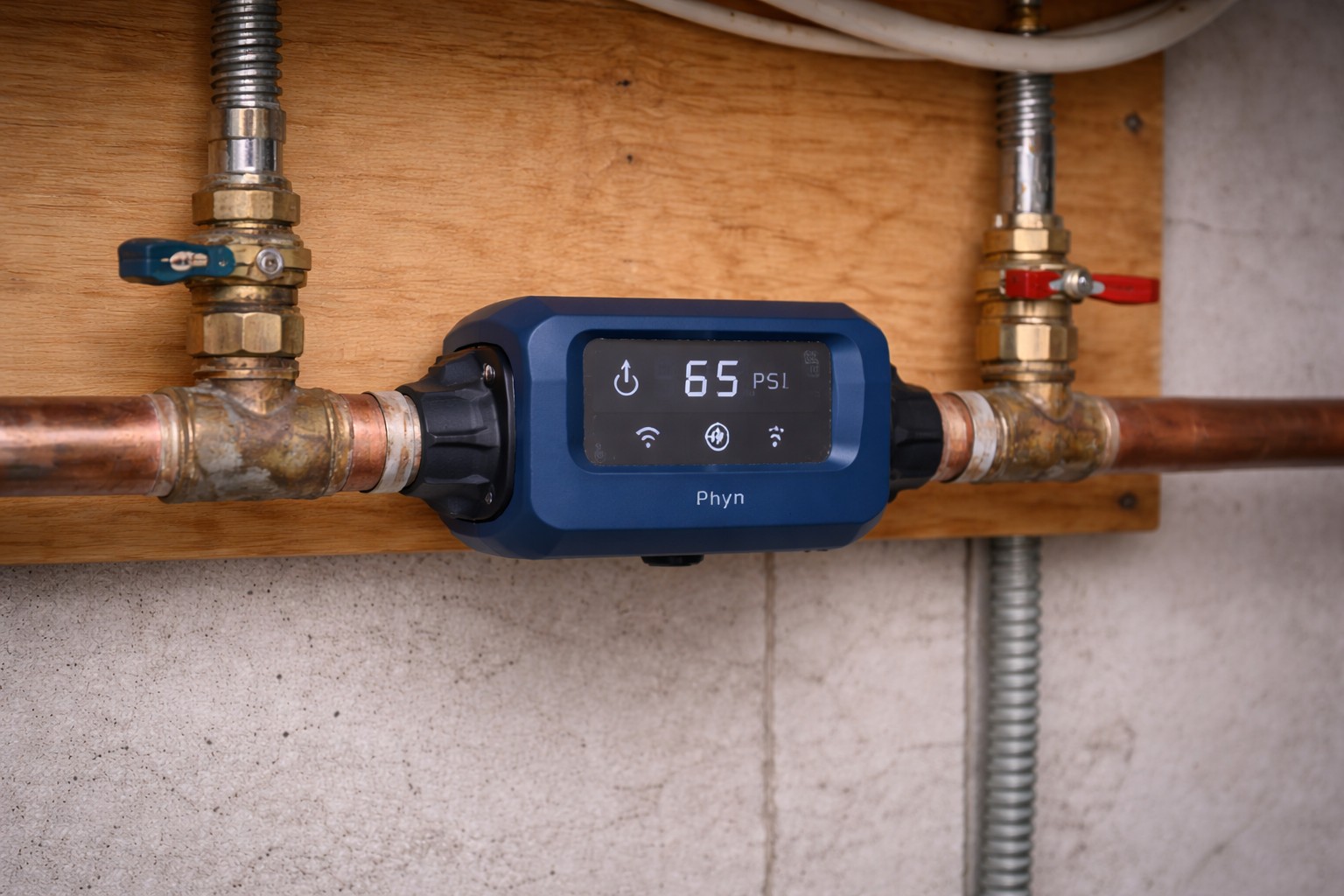
Your smart shutoff likely closed because the device detected a rapid pressure spike or unstable pressure and treated it as an abnormal event. Check the shutoff logs first, confirm the pressure peaks with a gauge, correct the physical cause (PRV, thermal expansion, water hammer), then recalibrate the device and pause nuisance rules while things stabilize.
Why This Happens
Smart shutoff devices monitor pressure and flow to spot leaks or bursts. Rapid pressure rises or big pressure swings can look like a sudden failure, so the device closes the main valve to prevent damage. Common causes include a failing pressure reducing valve (PRV), thermal expansion when a water heater kicks in, or a transient surge/water hammer from pumps or valves. These events can also cause plumbing problems like Shower valves leaking due to pressure or High pressure cracking CPVC if left unresolved.
Step-by-Step What to Do
Step 1 — Review the smart shutoff logs
- Open the device app or control panel and look at the event history right after the trip. Note time stamps, pressure readings (if available), and whether multiple trips happened.
- Look for patterns: trips at certain times of day, while the water heater runs, or when specific appliances start.
Step 2 — Measure real pressure peaks with a gauge
- Attach a reliable pressure gauge to an outdoor hose bib or a test port near the main. Measure static pressure with no fixtures running and then measure while the event that trips the device is active (for example, when the water heater fires or a pump starts).
- For transient spikes, use a gauge that can capture short peaks or a pressure logger. Note both steady-state pressure and the highest brief peaks.
Step 3 — Fix the physical cause (PRV, expansion tank, arrestors)
- If pressure is consistently above recommended levels (generally over 60–80 psi depending on local codes), inspect or replace the PRV. A sticking or failed PRV commonly causes sudden surges.
- If pressure spikes coincide with water heater operation, check the expansion tank and its air charge. A water heater without a functioning expansion tank can raise pressure quickly.
- Consider installing or servicing water hammer arrestors if you see short high-energy spikes when valves close.
Step 4 — Recalibrate device thresholds and pause nuisance rules
- Once the physical issues are addressed, adjust the smart shutoff’s alarm and trip thresholds so they match the corrected, measured pressure profile of your system.
- Temporarily disable overly sensitive nuisance rules (for example, very short-duration spike triggers) while you monitor the system over several days. Don’t leave protective features disabled indefinitely.
Step 5 — Test and monitor
- Run the system through normal cycles and any previously problematic events while watching both the pressure gauge and the shutoff logs.
- If trips stop and pressures stay within safe limits, re-enable protective rules with appropriate thresholds.
What Not to Do
- Don’t just disable the smart shutoff—fix the pressure event that’s triggering it.
- Don’t ignore repeated trips; each event could indicate ongoing damage to pipes or fixtures.
- Don’t guess at PRV or expansion tank settings without measuring pressure first; incorrect adjustments can make the problem worse.
When to Call a Professional
- Call a licensed plumber if you see steady system pressure above local recommended limits, repeated unexplained trips, visible leaks, or damaged piping.
- Have a pro replace or set a PRV, install or recharge an expansion tank, or diagnose complex transient pressure issues caused by pumps or municipal supply changes.
- If the smart shutoff hardware or electronics appear faulty, contact the device manufacturer or an experienced technician for diagnosis.
Safety Notes
- Turn off the main water supply before doing any work on the plumbing system that requires disassembly.
- Be cautious of hot water and scald risk when testing around the water heater. Allow the heater to cool if you must work on related components.
- If you are not comfortable working on PRVs, pressure tanks, or the main shutoff, hire a qualified plumber. Incorrect work can cause leaks or system damage.
Common Homeowner Questions
- Why did my smart shutoff trip suddenly? Rapid pressure spikes or large swings can look like a burst, so the device closes to prevent damage.
- Can I just raise the trip threshold to stop false closures? You can after you confirm the pressure profile, but first fix the physical problem; raising thresholds without fixing the cause risks unnoticed damage.
- How long should I pause nuisance rules? Temporarily—monitor for several days to a week while testing; re-enable protections once readings are stable.
Related Articles
If you’re troubleshooting a similar symptom, these guides may help:
For the full directory, see High Pressure Causing Fixture Damage.