Quick Answer:
If your water pressure is noticeably higher immediately after city work, measure and document the pressure with a simple pressure gauge at a hose bib, then reduce the pressure at your house regulator (PRV) or have one installed if you don’t have one. If readings are above typical residential limits, notify the water utility and keep records of the readings and photos.
Why This Happens
When a city upgrades mains or performs maintenance, they may change system settings, temporarily raise supply pressure to flush lines, or replace equipment that affects street pressure. That higher street pressure becomes your home pressure unless a pressure-reducing valve (PRV) is doing its job. Excessive pressure can stress plumbing materials, leading to leaks, burst fittings, and problems with appliances such as the refrigerator ice line. For specific failure examples see High pressure cracking CPVC and how small lines can fail like the Ice maker line blowing off.
Step-by-Step What to Do
Step 1: Confirm timing and location
- Note that the spike happened right after the city work—this timing is important when you report the problem.
- Check neighbors or a building manager to see if they’re seeing the same change.
Step 2: Verify pressure with a gauge
- Buy or borrow a screw-on water pressure gauge from a hardware store (fits a hose spigot).
- Attach the gauge to an outdoor hose bib or washing machine supply (with valves open) and read the pressure. Record the reading, date, time, and the faucet used.
- If you have any pre-upgrade readings (from a previous gauge, inspection, or service report), compare them. If you don’t, note current conditions clearly for future reference.
Step 3: Reduce pressure using the PRV if present
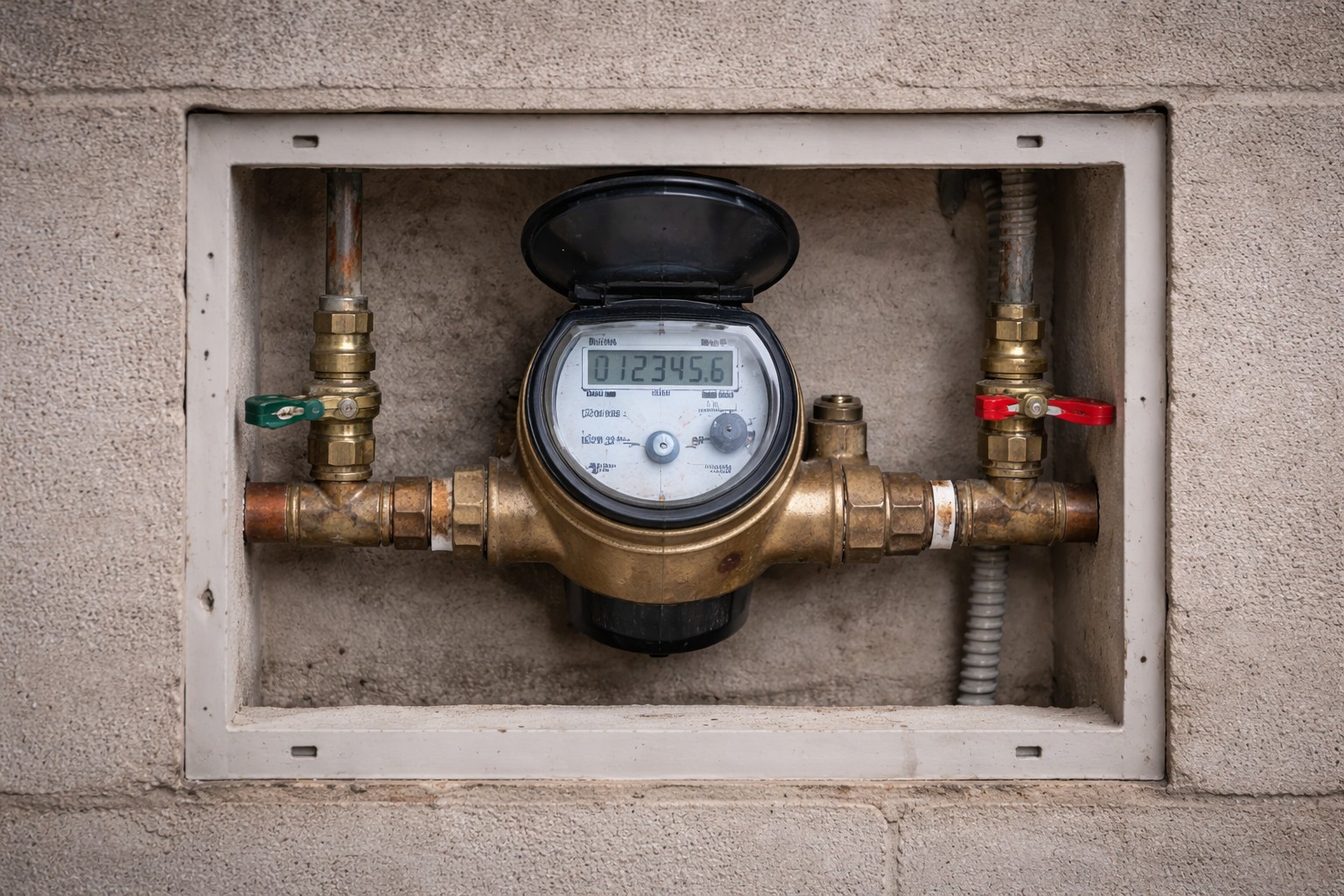
- Locate the PRV—usually on the main supply line near the water meter or where the main enters the house.
- Make small adjustments and re-check the pressure after each change. Many PRVs use an adjusting screw where clockwise usually raises pressure and counterclockwise lowers it; adjust slowly and test.
- If pressure drops to a safe level (commonly in the 40–60 psi range for most homes), keep records of the adjusted setting and readings.
Step 4: Install a PRV if there isn’t one
- If no PRV exists, consider installing one. A PRV protects your home from high street pressure and reduces risk of damage to pipes and appliances.
- Installing a PRV is a plumbing job for most homeowners who are not comfortable working on the main line; call a licensed plumber to install and set it correctly if you’re unsure.
Step 5: Notify the utility and document everything
- If your measured pressure is above typical residential limits (consistent readings above about 80 psi), contact the water utility to report the high pressure.
- Give them your measured readings, the date/time, and any photos of gauges or meter settings. Keep copies of all documentation.
What Not to Do
- Don’t assume the city will ‘fix it’ automatically—document and adjust your PRV to protect the home.
- Don’t ignore sudden increases; leaving high pressure can cause hidden leaks that become major water damage later.
- Don’t make large PRV adjustments quickly—change a little, retest, then change again if necessary.
When to Call a Professional
- Call a licensed plumber if you don’t have a PRV and want one installed.
- Call a plumber immediately if you see active leaks, bulging pipes, or appliances failing after the pressure spike.
- Contact the water utility if your documented readings stay above safe residential ranges or if neighbors report the same problem across the area.
Safety Notes
- If a pipe bursts or fittings are leaking heavily, shut off the main water valve to the house to prevent flooding before attempting any adjustments.
- Wear basic eye protection when working near pressurized fittings and be cautious when loosening connections—water will be under pressure.
- If you’re unsure about adjusting the PRV or working on the main line, stop and call a professional—incorrect work can cause more damage.
Common Homeowner Questions
- How high is “too high” for home water pressure? Consistent pressure above about 80 psi is generally considered high and warrants action; ideal is often 40–60 psi.
- Can I adjust the PRV myself? Yes, if you’re comfortable making small adjustments and retesting; otherwise hire a plumber to avoid mistakes.
- Will the city fix it if I call them? Not always—report the readings and timing to the utility, but document and protect your home yourself in case they don’t act quickly.
Related Articles
If you’re troubleshooting a similar symptom, these guides may help:
For the full directory, see High Pressure Causing Fixture Damage.