Quick Answer:
If you find sand-like or gritty particles after service is restored, first stop using fixtures that can be damaged, remove and inspect faucet aerators, then run a single outdoor or utility faucet to flush the line. Often the grit is loose scale, rust, or sediment flushed from the main or your pipes; a few minutes of flushing and cleaning aerators will fix most cases. If large particles, ongoing cloudiness, or reduced flow remain, call a plumber or your water utility.
Why This Happens
When water is shut off and then turned back on, flow changes can dislodge rust, mineral scale, sand, or other sediment that has settled in the distribution line or inside your home pipes. Local work on the main, hydrant flushing, or repairs can stir up material and push it into service lines. Sometimes people mistake tiny floating air pockets for grit — see Air bubbles mistaken for sediment — but real grit will feel and settle like sand.
Step-by-Step What to Do
Step 1 — Stop using sensitive appliances
- Pause dishwasher and washing machine cycles and avoid using water-fed equipment until you know the water is clear.
Step 2 — Identify where the grit appears
- Check several fixtures: indoor sinks, an outdoor hose bib, and both hot and cold taps. Noting where it appears (only hot, only one fixture, or everywhere) helps narrow the source.
Step 3 — Remove aerators to inspect grit
- Unscrew the screen/aerator from affected faucets. Wrap a cloth around the aerator and use pliers gently if tight.
- Catch any debris on a paper towel or in a small container and note its color and texture (e.g., black flakes, brown rust, tan sand).
- Clean or replace the screen before testing the faucet again.
Step 4 — Flush the line
- Open a single cold-water outdoor spigot or a utility sink wide open to flush for 5–10 minutes after aerators are removed. This sends a steady flow through the service line and clears loose material.
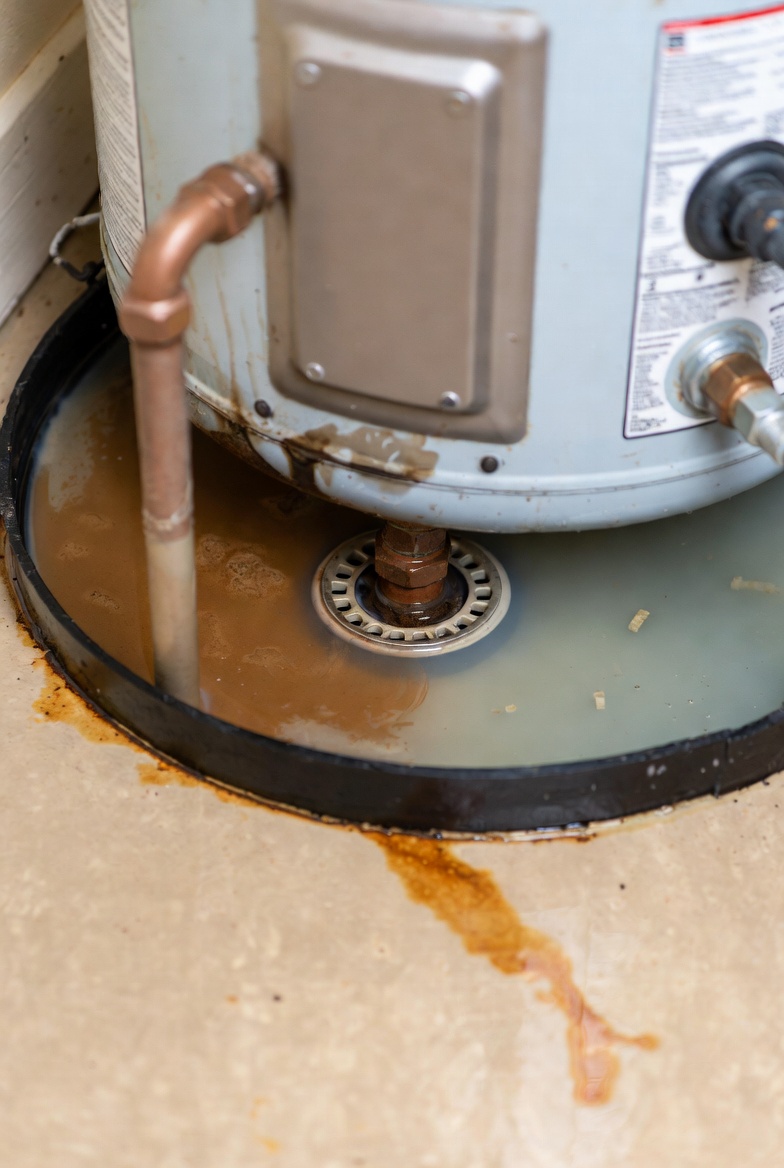
- If only hot water contains grit, flush the cold first and then run the hot to determine if the water heater is the source.
Step 5 — Reassemble and test
- Replace or clean aerators, reattach them, and test faucets. If flow and clarity return to normal, the problem is likely resolved.
- Keep an eye on appliances and filters for a day or two to make sure no grit reaches them.
Step 6 — Next steps if it persists
- If particles keep coming back, collect a sample and contact your water utility or a plumber. Persistent grit can indicate a failing pipe, a damaged meter, or problems at a connection.
- For odors after system work, consult guidance on Smell after backflow replacement if you notice unusual smells along with debris.
What Not to Do
- Do not leave aerators clogged. Clogged aerators reduce flow and can hide ongoing problems.
- Do not continue to run dishwashers or washing machines if gritty water might enter them.
- Do not try to dismantle main shutoff valves or backflow assemblies if you are not trained — that can cause damage or contamination.
- Do not assume cold and hot lines are the same without checking both; the water heater can develop its own sediment.
When to Call a Professional
- Grit continues after a thorough flush and aerator cleaning.
- Large particles (pebbles, metal flakes), persistent discoloration, very low flow, or sudden pressure loss appear.
- You suspect contamination (unusual taste, smell, or illness symptoms) — contact your water utility or a licensed plumber promptly.
- Issues are limited to hot water and flushing the water heater doesn’t fix it.
Safety Notes
- Wear gloves and eye protection when removing aerators or handling debris to avoid cuts and contact with contaminants.
- Collect samples in a clean container if you need to show them to a professional or utility.
- If you suspect bacterial contamination, follow local health guidance — boil-water notices may be issued by utilities; call them if in doubt.
- If you’re uncomfortable doing the checks, stop and call a plumber to avoid damaging fittings or causing leaks.
Common Homeowner Questions
- Q: Is the grit harmful to my plumbing or appliances?
A: Small amounts can clog aerators and strainers; larger or sharp particles can damage pumps or valves, so clear it before running appliances. - Q: Can I still drink the water right away?
A: Avoid drinking until the water is clear; if you suspect contamination, follow your utility’s advice. - Q: If only hot water has grit, is the water heater the cause?
A: Often yes — sediment settles in the heater and gets stirred up; flushing the heater or calling a pro is the next step.