Quick Answer:
If your shower temperature starts fluctuating after a new water heater is installed, first check the heater temperature setting and any mixing/tempering valve the installer may have added. Run hot water at a nearby sink to confirm whether the hot outlet is stable, then test the shower to see whether the problem is limited to the shower valve or affects the whole house. Small pressure or valve differences often cause this; widespread or persistent swings merit a plumber.
Why This Happens
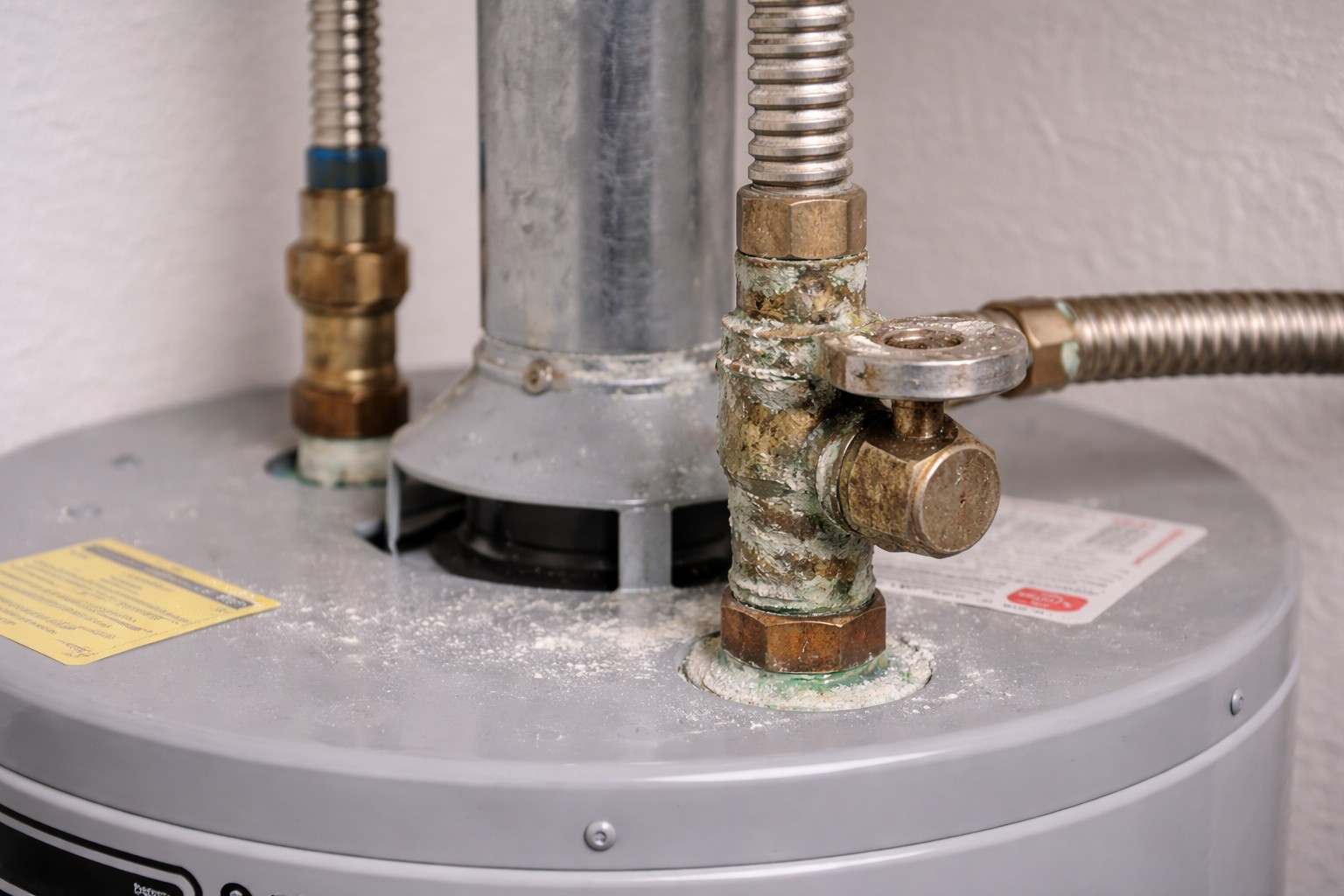
- New thermostats or factory-set mixing valves on the replacement heater can be set differently than your old unit, changing how hot water is delivered.
- Some installations add a tempering (mixing) valve to reduce scald risk; if misadjusted it will change outlet temperature.
- Shower cartridges and pressure-balancing valves can fail or react differently to changes in inlet pressure after an install.
- Household water pressure shifts or simultaneous use (washing machine, dishwasher) can cause short-term swings; related situations are discussed in **Temperature swings after pressure change** and **Shower temp changes with washer use**.
Step-by-Step What to Do
1. Verify the water heater temperature setting
- Check the thermostat on the new heater. Typical safe settings are around 120°F (49°C) for most homes.
- If the heater has a factory or installer-adjusted tempering/mixing valve, confirm it wasn’t set unusually low or high during installation.
2. Run hot water at a sink and confirm outlet temperature
- Turn a hot faucet on fully (preferably one near the heater). Let it run for a minute and feel the water or use a thermometer if available.
- If the sink hot water is steady and at the expected temperature, the heater and mixing valve are likely delivering stable hot water to the house.
3. Test the shower to see if it’s shower-only
- Run the shower at a normal flow. Note whether the temperature fluctuates when other fixtures are off and when they are on.
- If only the shower fluctuates, the shower valve, cartridge, or anti-scald device is the likely culprit.
4. Narrow the cause
- If the entire house shows instability, re-check heater settings, mixing valve, and any recirculation pump or pressure devices installed.
- If the problem is the shower only, remove or inspect the shower cartridge/diverter (or have a plumber do this). Mineral buildup or a faulty pressure-balancing element is common.
5. What to do next
- If adjustments to a mixing valve are needed and you’re comfortable, make small changes and retest. If you’re unsure, stop and call the installer or a plumber.
- Document when the issue started and what you tested before calling a professional — this speeds diagnosis.
What Not to Do
- Don’t crank the heater hotter to compensate—this increases scald risk.
- Don’t assume you must DIY complex valve or gas/electric work; if fluctuations started after install, a plumber is appropriate.
- Don’t disable or bypass safety devices like tempering valves or anti-scald features to get hotter water.
When to Call a Professional
- Call a plumber if the temperature swings continue after you verify heater and mixing valve settings.
- Seek professional help if you detect gas leaks, electrical issues, or if you’re not comfortable adjusting valves or replacing shower cartridges.
- If the installer performed the work, contact them first — many installations are covered by warranty or a service follow-up.
Safety Notes
- Test water temperature carefully to avoid scalds. Use a thermometer when possible; check taps before stepping into the shower.
- Do not work on gas lines or electrical components unless you are qualified. Shut off power or gas only if you know the proper procedure for your unit.
- Tempering/mixing valves are safety devices. Adjust slowly and retest; don’t defeat them to raise temperature.
Common Homeowner Questions
-
Why did this start right after the new heater was installed?
The installer may have set a different thermostat temperature or added/adjusted a mixing valve, or handling changed pressure behavior. -
Is it safe to temporarily raise the heater to fix the shower?
No — raising the heater increases scald risk and can hide the real issue; adjust valves or call a pro instead. -
Can I check the shower cartridge myself?
You can visually inspect and clean or replace a cartridge if you are comfortable with basic plumbing; otherwise call a plumber.