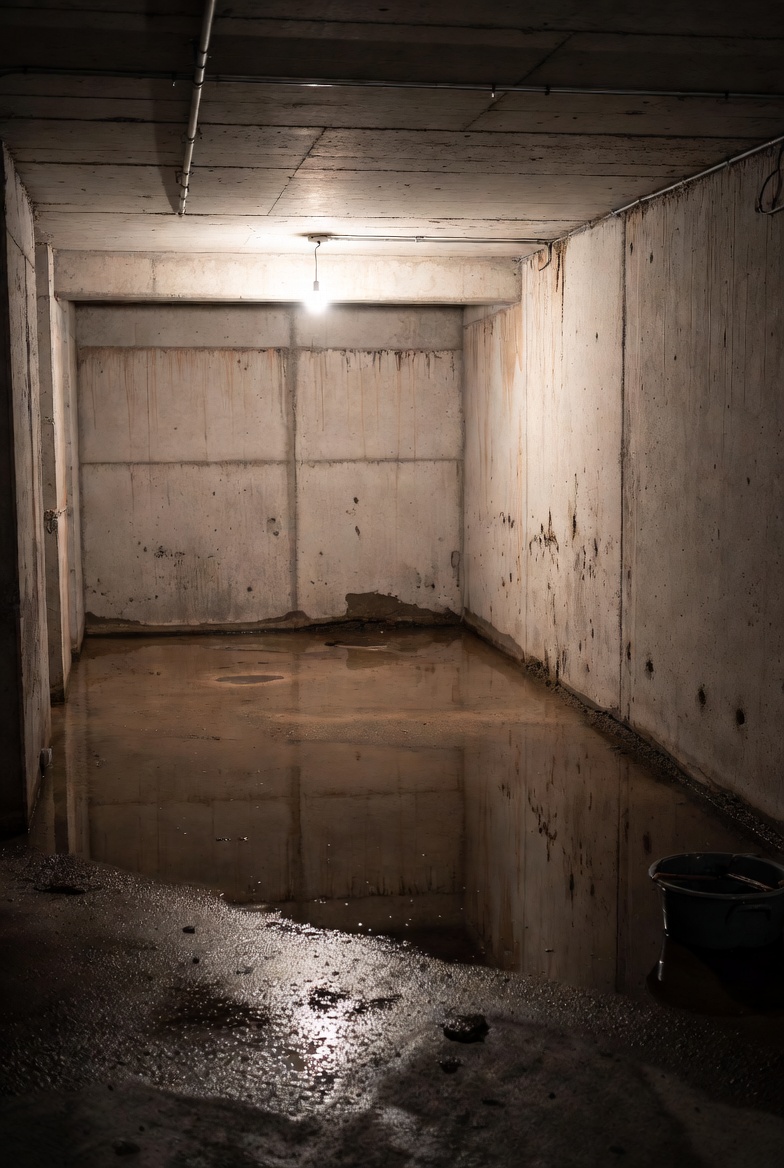
Quick Answer:
If your basement only fills with water overnight, start by thinking about anything that runs or is scheduled to run while you sleep. Many homeowners find timers (irrigation, water softeners, smart plugs) or overnight appliance cycles are the real cause. Check those first, do a simple overnight drain test with a bucket, and inspect the sewer/backflow valve for signs of partial failure. If the water smells like sewage, appears every night, or you can’t find the source, call a professional.
Why This Happens
- Timers often run in the early morning hours: irrigation systems, water softener regenerations and smart devices typically schedule tasks at night or early morning to avoid busy periods.
- Appliances may be on delay: dishwashers and washers can have delayed-start cycles that finish overnight and dump large volumes of water.
- Partial valve or sewer problems: a backflow or sewer valve that doesn’t seat completely can allow sewage or stormwater into the basement only when outside flow or pressure changes at night.
- Intermittent failures: some issues only show up when demand or pressure changes — for example, city system behavior after low-use periods or overnight irrigation cycles can expose weak points.
Step-by-Step What to Do
1. Do a quick inventory of scheduled devices
- Check irrigation controllers, water softener timers, smart plugs, and any home automation apps for scheduled events that run at night.
- Look for features labeled “delay,” “regeneration,” “cycle,” or “scheduled run.” Note any that match the timeframe when the flooding appears.
2. Inspect overnight appliance cycles
- Check the dishwasher and washing machine: are they set to delay start? Did a recent load finish overnight?
- If you suspect the washer, run a test load during the day and watch the drain to confirm behavior. If you see problems, consider the possibility described in flooding when washer drains.
3. Check common timed sources
- Water softener: these often regenerate in the early hours. Look at the unit’s timer or settings and temporarily disable scheduled cycles to test.
- Irrigation: a leaking valve or broken sprinkler near a property drain can push water toward the house at night or early morning.
- Smart devices: some smart valves, pumps, or controllers may run updates or cycles on a schedule—inspect their apps or controllers.
4. Examine the sewer/backflow valve
- Visually inspect the valve for obvious damage, debris or improper seating. If it’s a flap-style backflow preventer, look for warping or stuck parts.
- Don’t force or disassemble complex valves unless you’re confident; many are serviceable only by a trained plumber.
5. Test the floor drain overnight with a bucket
- In the evening, pour a measured amount of clean water (for example, 1–2 gallons) into the floor drain or directly over the drain opening and note the time.
- Leave a shallow bucket or pan nearby (not in the main living area) to catch any return flow and check it first thing in the morning. If the drain backs up or water appears in the bucket overnight, you have a clear sign of backup or partial valve failure.
- Repeat the test after disabling suspected timers or cycles to see if the problem stops.
What Not to Do
- Avoid running large appliances at night until you diagnose the source. A full washer or dishwasher finish can dump enough water to cause basement flooding.
- Don’t reset timers repeatedly as a troubleshooting step. Constantly changing settings can hide the true cause and may cause more flooding events.
- Call a pro when water consistently appears overnight, has a sewage odor, or you can’t find an appliance on a timer causing it. These are signs of a more serious sewer or backflow issue.
When to Call a Professional
- There is a sewage smell or visible sewage in the water — stop and call a licensed plumber immediately.
- Water appears every night despite disabling timed devices and appliance cycles.
- You find damage to a backflow or sewer valve, or you’re unable to access and safely test the drainage system yourself.
- If the problem only started after changes to the city supply or system behavior, consider professional help to rule out issues like what you might read about in flooding after city outage.
Safety Notes
- If water contains sewage, avoid contact. Wear gloves, boots, and consider a mask. Contaminated water is a health hazard.
- Turn off electricity to any circuits in the flooded area if water is near outlets or electrical equipment. Do this from the main breaker if it’s safe to do so.
- Don’t enter deep or fast-moving water. If flooding is significant, evacuate and call emergency services as needed.
- Keep records of when flooding happens, photos, and any steps you take—this helps a professional diagnose the cause more quickly.
Common Homeowner Questions
- Why does water only show up at night?
Many devices and systems are scheduled to run at night (softener regen, irrigation, delayed appliance cycles), so the timing points to a scheduled source or pressure change during low-use hours. - Can a backflow valve fail sometimes and not others?
Yes. A valve can be partially failing or clogged so it only allows water back when outside pressure or flow conditions change. - Should I stay in the house if the basement floods overnight?
If the water is minor and clean, it’s usually safe to stay after shutting off affected circuits; if it smells like sewage, is deep, or is near electrical panels, leave and call for help.
More in this topic
For more related fixes and similar symptoms, see Intermittent Basement Flooding Events.