Quick Answer:
An earthy or soil-like smell that appears only while showering usually comes from organic buildup or stagnant water in the shower plumbing, drain, or showerhead. Start by removing the showerhead and testing the odor at the riser to see if the smell is in the fixture or coming from the supply. Clean, flush, and disinfect the affected parts; call a plumber if the smell persists or if you suspect contaminated supply water.
Why This Happens
- Organic matter (biofilm) can grow inside showerheads, flexible hoses, or on rough internal surfaces where water sits and nutrients collect.
- Stagnant water trapped in the shower arm, diverter valves, or a dead-leg pipe section can produce earthy or musty odors when warmed by hot water.
- If the smell appears only with cold water, the issue often ties to the cold side of your system rather than the hot-water heater—see Moldy smell only in cold water for more about that pattern.
- Occasionally, changes in municipal supply or a recent outage can make water carry temporary smells until lines flush; that situation is different from persistent internal plumbing growth.
Step-by-Step What to Do
1. Isolate the problem
- Run hot and cold water separately and note when the odor appears (hot only, cold only, or both).
- Check other nearby fixtures (bath sink, other showers) to see if they share the smell—this tells you if it’s local to one shower or a wider supply issue.
2. Remove the showerhead and test the riser
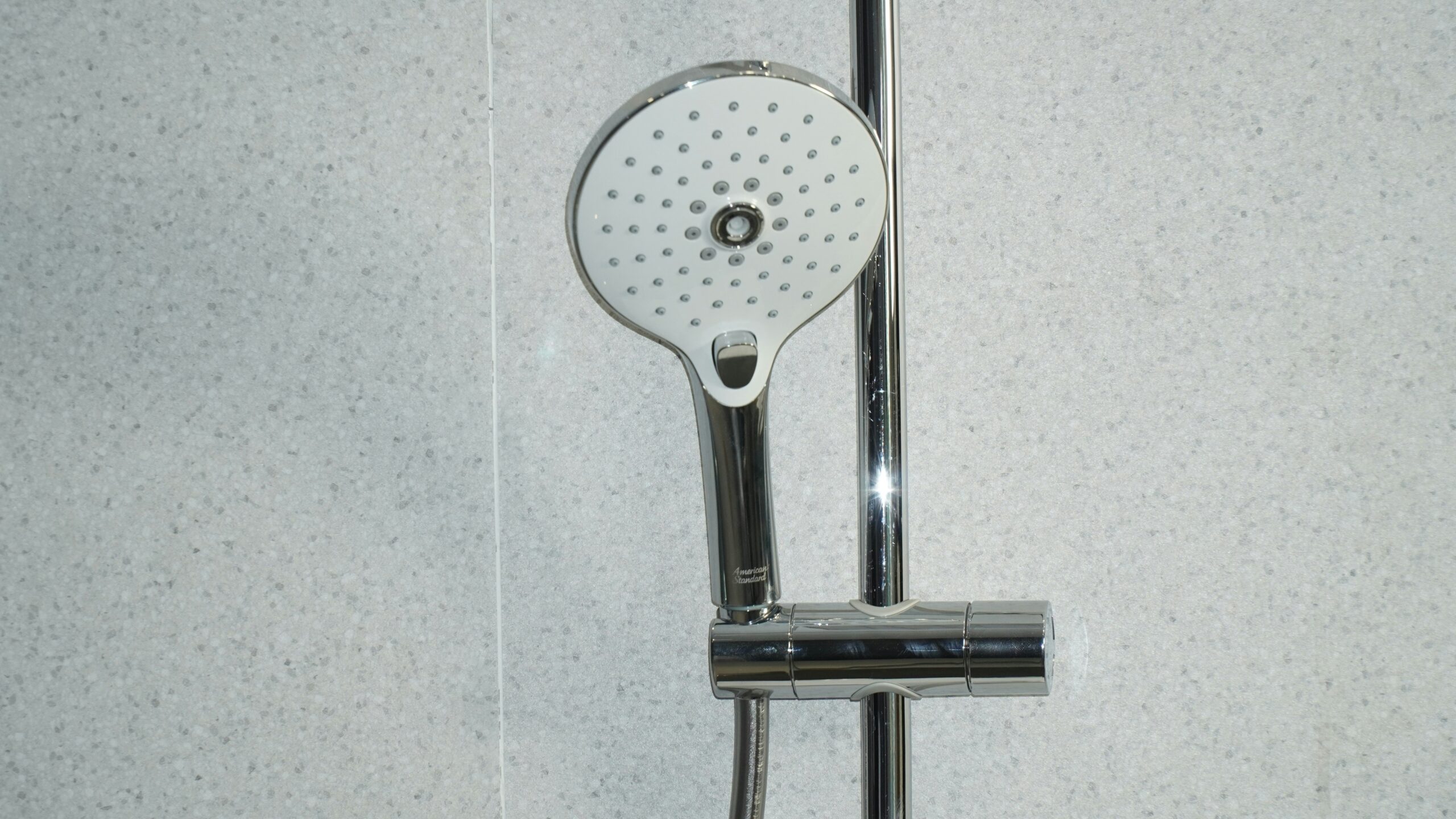
- Turn off the water and unscrew the showerhead. Place it in a plastic bag if you want to keep it from dripping while you test.
- Turn on the water briefly at each temperature directly from the riser (the exposed pipe where the showerhead attaches). Smell the water stream and the riser opening—not the metal itself—to determine whether the odor is coming from the fixture or from the supply pipe.
- If the odor is gone when testing the riser, the showerhead or hose is likely the source. If it’s still present at the riser, the problem may be inside the plumbing or the incoming water.
3. Clean or replace the showerhead and hose
- Soak removable parts in a diluted vinegar solution to loosen mineral deposits and biofilm, then scrub with a soft brush. Rinse thoroughly.
- Replace inexpensive showerheads or hoses that show heavy internal fouling; many are inexpensive and easier to swap than deeply clean.
4. Flush and disinfect where appropriate
- Flush the line by running hot water at full pressure for several minutes after cleaning to clear loosened material.
- If you believe biofilm is present in accessible parts, a dilute bleach solution can disinfect, but follow product instructions, ventilate the area, and never mix bleach with other cleaners.
5. Check the drain and nearby surfaces
- Clean the drain trap and the shower pan; trapped hair and soap scum feed odor-causing microbes.
- Use a drain snake to remove buildup, then flush with hot water.
6. Re-check after cleaning
- Reinstall the showerhead and run water at both temperatures to confirm the smell is gone.
- If the odor returns quickly, note whether it’s tied to a specific temperature or only to prolonged use—this helps a technician diagnose the source.
What Not to Do
- Do not mask earthy smell with cleaners. Masking scents hide the symptom without removing the source and can make diagnosis harder.
- Do not mix household chemicals (for example, bleach and ammonia). That can produce dangerous fumes.
- Do not use high-pressure or heat methods on plumbing if you are unsure—avoid damaging seals or valves.
When to Call a Professional
- Call a plumber if the smell persists after cleaning shower fixtures and drains, or if the odor is present at the riser and other fixtures in the home.
- Contact your water utility if multiple homes show similar smells or if you notice changes after a system event—some situations, such as system outages, can cause distribution plumbing to carry temporary tastes or odors; see Musty odor after city outage for related issues.
- Hire a pro if you suspect contamination of the water supply rather than isolated fixture growth—testing and remediation may be needed.
Safety Notes
- Ventilate the bathroom when using cleaners or bleach. Open a window or run the exhaust fan.
- Wear gloves and eye protection when handling chemicals and when cleaning biofilm or drain waste.
- Do not enter confined spaces or attempt sewer repairs yourself—these can be hazardous and require trained technicians.
Common Homeowner Questions
- Why does the smell only appear in the shower? Because showers and their drains provide the warm, moist environment that helps biofilm and organic buildup grow more readily than other fixtures.
- Can I fix this myself? Often yes: removing and cleaning the showerhead, clearing the drain, and flushing the lines will solve many cases.
- When is the water unsafe to use? If you suspect contamination beyond odors—discoloration, illness after use, or utility warnings—stop using the water for drinking and call your water provider or a plumber.
For more related articles, see the Musty, Earthy, or Moldy Water Smell hub.