Quick Answer:
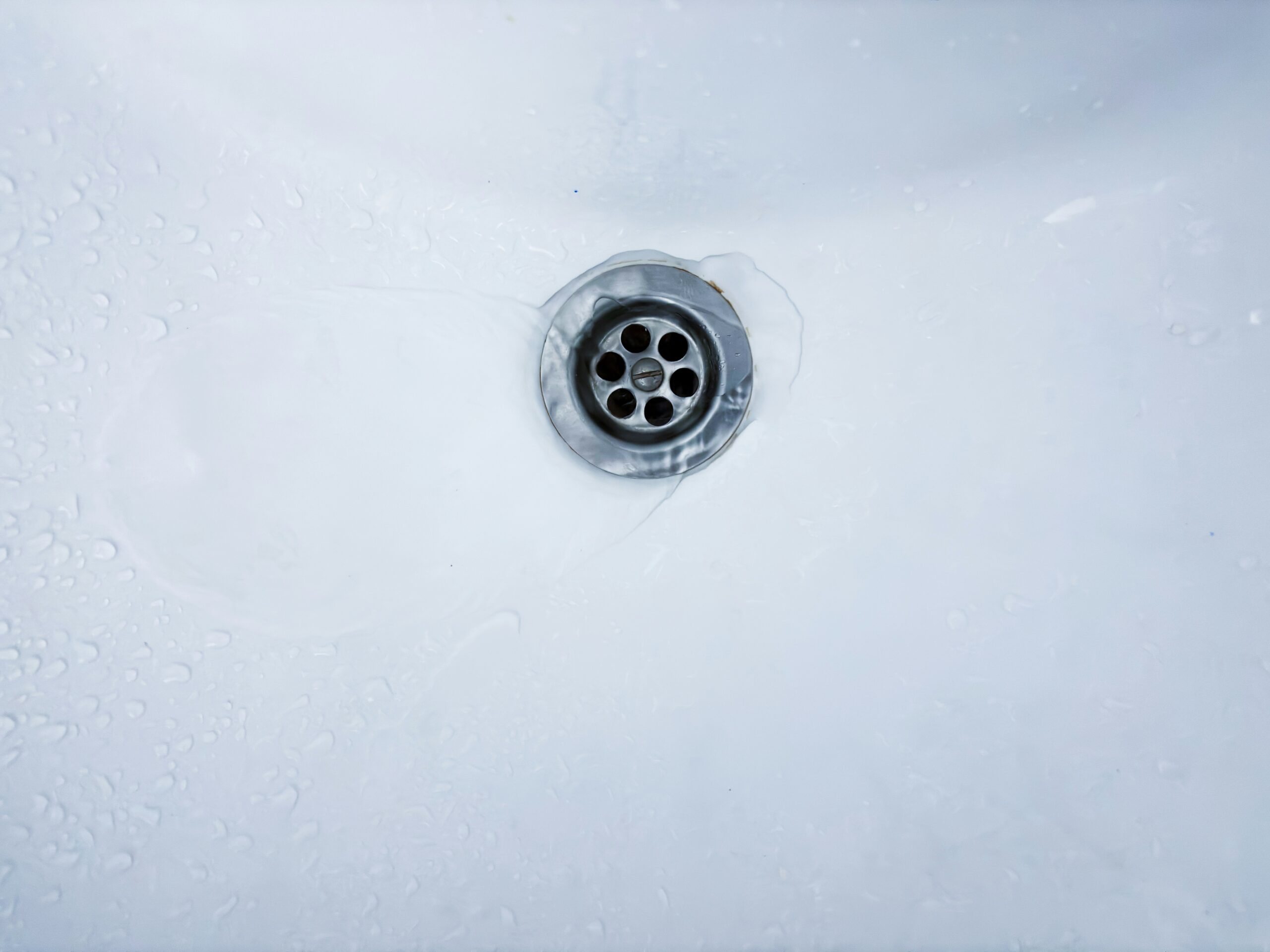
Bubbles in a sink or tub drain when the toilet flushes usually mean air or water is being forced through a shared drain or vent because of a partial blockage or poor venting. Do a few quick checks: flush the toilet while watching the affected drain, listen for gurgling, check whether trap water levels change, and test another fixture to see if the problem is confined to one bathroom or affects the whole house.
Why This Happens
Plumbing fixtures that share the same waste line or vent can push air into nearby traps when a toilet flushes. If a drain or vent is partially blocked, the flush can create pressure changes that push air through the trap, which shows up as bubbles or gurgling. Minor local clogs can cause this in one bathroom; a main-line or vent problem will affect multiple fixtures or the whole house.
If you also see pooled water or unusual standing water near a shower or floor drain, you may want to check Drain Has Standing Water Around the Grate. If there’s a persistent odor as well, the article on Drain Smells Like Moldy Towels covers common causes of drain smells.
Step-by-Step What to Do
1. Watch and listen while you flush
- Flush the toilet once and watch the sink or tub drain carefully. Note whether bubbles appear immediately with the flush.
- Listen for gurgling or unusual sounds in the drain lines when the toilet flushes; that helps confirm air movement in the drains.
2. Check trap water stability
- Look at the U-shaped trap under sinks or the visible water in the tub/shower drain. The water level should stay relatively steady. If it rises and falls or disappears briefly when the toilet flushes, the trap may be getting siphoned or air is being forced through it.
3. Test other fixtures
- Run water in another sink, tub, or a toilet in a different bathroom. If those fixtures bubble or gurgle too, the issue is more likely in a shared drain or the main sewer line rather than one fixture.
- Note whether the problem is limited to one bathroom or present throughout the house.
4. Note slow drains and recent changes
- Check for slow draining anywhere else. Sluggish drains, sewer smells, or water backing up are signs the problem is more than just a vent noise.
- Remember if any work was recently done on drains, toilets, or landscaping near sewer lines — that can be relevant.
5. Try gentle clearing if it’s local
- If the issue is isolated to one sink or tub, use a sink plunger or a hand auger (plumbing snake) on that trap or drain to clear a local clog. Work gently and re-test by flushing the toilet.
- If you’re uncomfortable doing this, skip to calling a professional.
What Not to Do
- Do not keep plunging the toilet repeatedly if it’s affecting other drains — repeated aggressive plunging can push clogs farther down and make a shared-line problem worse.
- Avoid chemical drain cleaners in a shared line — they can damage pipes, harm plumbing fixtures, and create hazardous conditions if a professional needs to work on the line.
- Do not remove a toilet or climb onto the roof to inspect vents unless you have the right tools and experience.
When to Call a Professional
- Call a plumber if multiple fixtures gurgle or drain slowly, if water backs up into sinks or tubs when the toilet is flushed, or if you notice sewage smells. Those signs point to a main-line clog or a venting problem.
- Also call a pro if you can’t clear a local clog with a hand auger, or if there’s a recurring problem after DIY attempts.
- Ask for a camera inspection or a vent check if the root cause isn’t obvious — professionals can locate blockages in the main line or roof vent safely.
Safety Notes
- Sewage backup carries bacteria and health risks. If you see sewage on floors or fixtures, limit contact and call a professional quickly.
- Wear gloves and eye protection when working in drains. Wash hands and tools after any drain work.
- Avoid roof inspections alone or in bad weather. Vent checks on the roof are best left to professionals if you’re not experienced with ladder and roof safety.
- Don’t mix or use harsh chemicals — they can create dangerous fumes and make plumbing repairs harder for a pro to perform safely.
Common Homeowner Questions
- Q: Is this a plumbing emergency?
A: Not usually, unless water is backing up or there is sewage on surfaces — then call a plumber right away. - Q: Can I fix it myself?
A: You can try basic checks and a hand auger for a single fixture, but stop if multiple fixtures are affected or if DIY attempts fail. - Q: Could a roof vent blockage cause this?
A: Yes — a blocked vent can cause gurgling and bubbles because air can’t move freely through the system.