Quick Answer:
Cloudy water from a well is often caused by tiny air bubbles or disturbed sediment. A simple first check is to compare water that has sat in the pressure tank overnight with water from your indoor taps after the pump runs. If the cloudiness clears within a minute, it’s usually air. If it stays cloudy, is discolored, or leaves particles, take further steps and consider testing.
Why This Happens
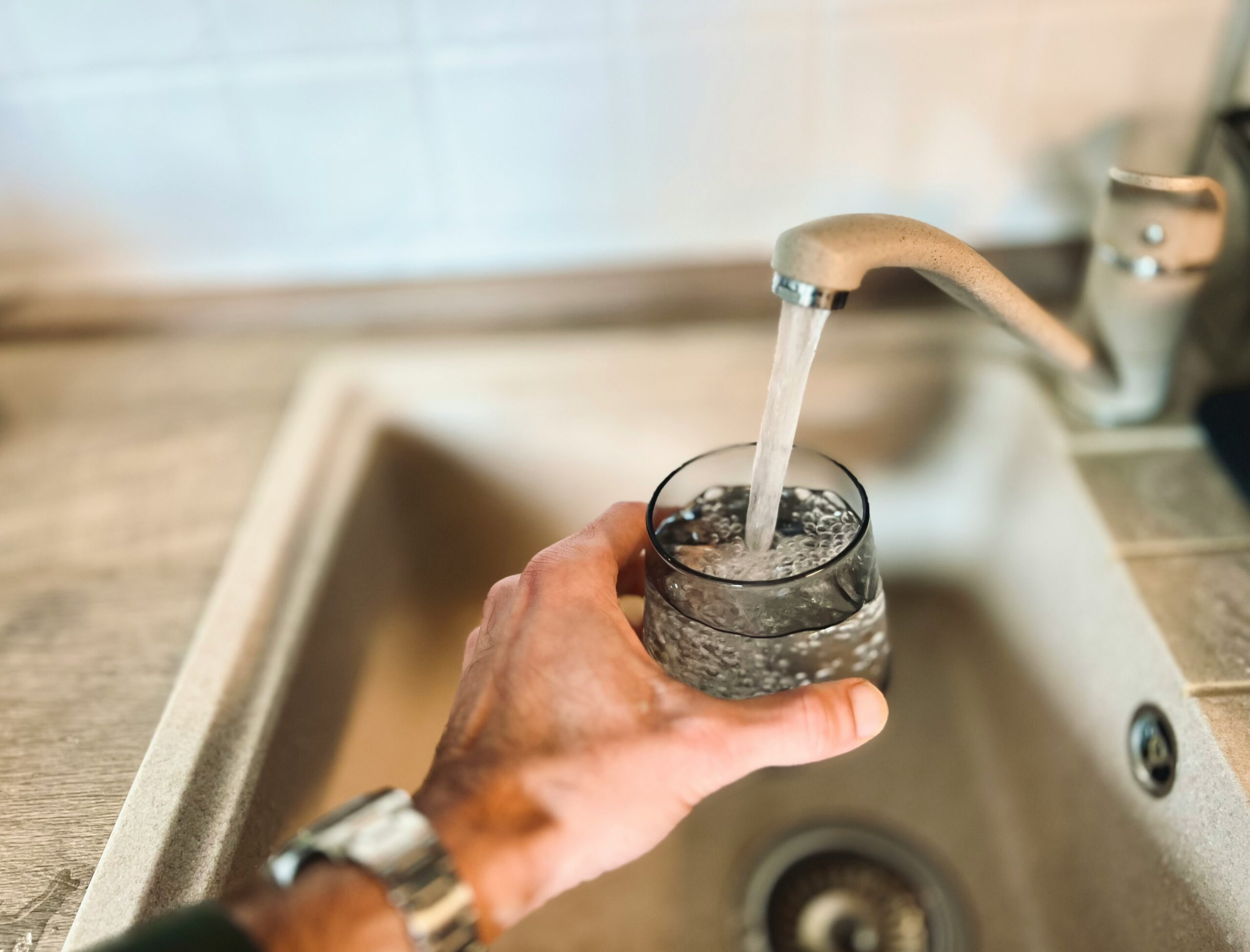
- Air in the water: Pressure changes when the pump cycles or the tank is waterlogged can release dissolved air, producing a milky look that clears as bubbles rise.
- Pump turbulence or drawdown: Rapid pumping can stir sediment near the well screen or in the casing, sending fine particles into your water.
- Minerals and iron: Iron, manganese, or other minerals can make water cloudy and may settle or stain fixtures.
- Bacterial growth or organic matter: In rare cases, biological activity in the well can change water clarity and produce odors.
If you see milky water that disappears quickly, look up information on Cloudy water that clears after a minute. If the appearance looks like specks or foam, read about Air bubbles mistaken for sediment.
Step-by-Step What to Do
1. Observe timing and pattern
- Note when cloudiness happens: first draw in morning, after heavy pump use, or only on hot or cold taps.
- Check both hot and cold separately. If only hot water is cloudy, the problem may be with the water heater.
2. Compare pressure-tank (standing) water with indoor tap water
- Collect a sample first thing in the morning from a tap that draws from the system without running the pump much (this tends to reflect water that sat in the pressure tank).
- Then run the pump for a minute and collect a second sample from an indoor tap that you use normally (this gives fresher well water).
- Compare clarity, color, and particles. This direct comparison helps tell whether the issue is standing tank water, pump turbulence, or water coming directly from the well.
3. Do a quick settling test
- Fill a clear glass or jar with water and set it on a light surface. Watch 10–30 minutes for particles to settle and for bubbles to rise and dissipate.
- Air bubbles will clear quickly; mineral sediment will settle to the bottom.
4. Check system components
- Listen for rapid pump cycling or unusual pump noise (can indicate a failing pressure tank bladder or air problems).
- Inspect visible plumbing for rust, loose fittings, or new disturbances that could cause sediment to enter lines.
5. Flush and retest
- Run an outside tap or the lowest faucet in the house for several minutes to flush lines and see if cloudiness clears.
- If you have a sediment pre-filter, check and replace the cartridge if dirty.
6. Test the water
- If cloudiness persists, get a basic water test for bacteria, iron, and turbidity. Tests will show whether particles are mineral or biological.
- Use bottled or boiled water for drinking until you know the cause, if clarity or safety is in question.
What Not to Do
- Do not ignore cloudiness in well systems.
- Do not assume it’s harmless without doing a settling test or having the water tested.
- Do not open the well cap, tamper with the wellhead, or attempt major pump repairs without proper training and equipment.
- Do not drink or use cloudy water for cooking until you know it’s safe.
When to Call a Professional
- Cloudiness that does not clear, returns quickly, or is accompanied by color, odor, or particles that do not settle.
- New or worsening stains on sinks and clothes, or sudden changes in water taste.
- Pump short-cycling, loss of pressure, or signs of well damage after storms or construction.
- When you need a certified water test, pump inspection, pressure tank evaluation, or well camera inspection.
Safety Notes
- Turn off electrical power to the pump before doing any work on well or pump equipment.
- Avoid opening the wellhead or removing caps; contamination or injury can result.
- Use clean, sanitized containers for samples if collecting water for testing.
- Follow local rules and hire licensed professionals for well repairs and disinfection.
Common Homeowner Questions
- Will cloudy water hurt me? Short answer: If it’s air, probably not, but if it’s caused by bacteria or heavy metals, it could—test to be sure.
- Can my pressure tank cause cloudiness? Yes. A failing bladder or trapped air can aerate water and make it look milky.
- How quickly will a professional fix it? Depends on the cause: simple filter or tank fixes can be same-day; a well or pump problem may take longer after testing.
For more related articles, see the White Particles, Cloudy Water, or “Milky” Water hub.