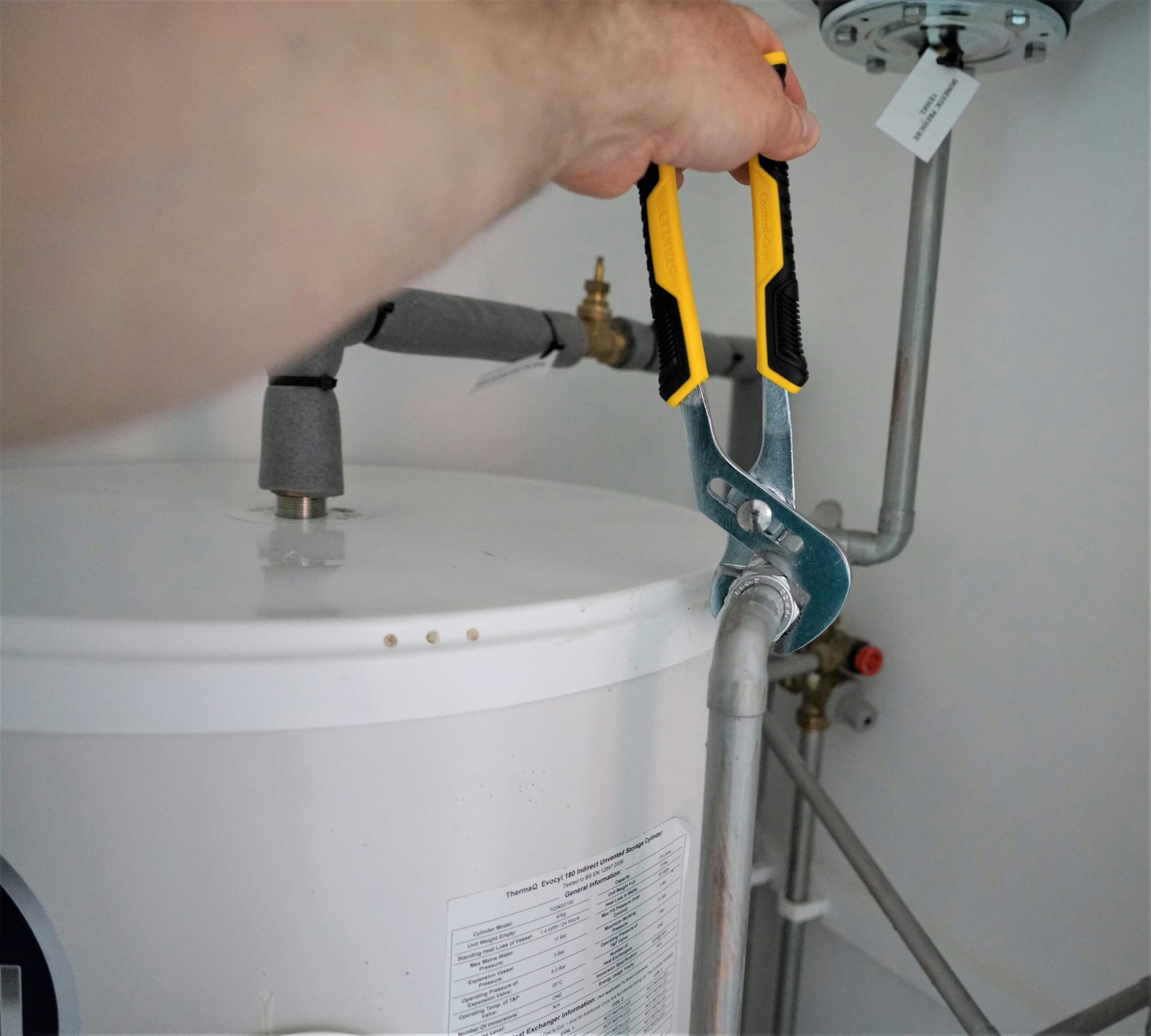
Quick Answer:
Those sudden ticking or clicking sounds coming from around the water heater are most often metal expanding and contracting as pipes and fittings heat and then cool. Start with simple checks you can do from the utility room: run hot water for a minute, stop the flow, and listen for cooling ticks. If the noise is moving through finished walls or ceilings, a plumber can locate the pipe and confirm safe support points before you open anything up.
Why This Happens
When hot water moves through copper or galvanized steel pipes the metal grows slightly in length. That movement can rub against framing, straps, or drywall, producing sharp ticks. Valves, fittings, and expansion tanks can also click as pressure and temperature change. If you’ve installed new equipment or appliances, similar thermal effects show up in other parts of the house — for example Thermal ticking after dishwasher cycle or right after new plumbing components like an expansion tank — see Ticking after expansion tank install.
Step-by-Step What to Do
Step 1 — Reproduce and listen
- Open a hot faucet (kitchen or bathroom) and let it run for 30–60 seconds so the heater and nearby piping warm up.
- Shut the faucet off and stand near the heater to listen as the system cools. Many thermal ticks happen right after the flow stops.
Step 2 — Feel for movement
- Press lightly on the wall or ceiling adjacent to the heater or piping runs to detect any vibration or movement when the noise happens. This can help distinguish pipe movement from loose trim or electrical rattles.
Step 3 — Note the sound character
- Pay attention to whether the sound fades gradually as things cool (typical of thermal expansion) or stays a sharp, repeating tick (which can indicate rubbing against a hard edge or a loose fitting).
Step 4 — Inspect visible piping and supports
- Look for loose pipe straps, metal hangers contacting framing, or valves that sit on a bracket. Tighten accessible straps a quarter turn at a time — don’t over-tighten metal against metal.
- If an expansion tank or pressure components were added recently, check their mounting for contact points that might transmit ticks.
Step 5 — Monitor and record
- Note when the sound occurs (only after hot use, continuously, or at random times) and whether it’s getting louder or accompanied by leaks. A simple phone recording can help a plumber diagnose the issue remotely.
What Not to Do
- Don’t wedge rigid shims or spray foam blindly into cavities to stop the sound; that can trap pipes against framing or hide a developing leak.
- If the ticking is near electrical runs or finished ceilings, have a plumber trace the pipe path first rather than cutting into the ceiling or wall yourself.
- Don’t try to modify gas connections, pressure-relief valves, or the water heater internals unless you are trained — leave those to a qualified professional.
When to Call a Professional
- Call a plumber if the noise travels through finished walls or ceilings so they can trace the pipe and verify safe support points.
- Call if the ticking is loud, continuous, or accompanied by leaking, banging, loss of hot water, or pressure changes.
- Also call if the runs are close to electrical cables or you can’t locate the source without cutting into finished surfaces.
Safety Notes
- If you find a leak, shut off the water supply to the heater and drain as recommended by the manufacturer, then call a plumber.
- Avoid working around the water heater while it’s hot; scald risk and hot metal surfaces are hazards.
- Do not disturb wiring or gas lines. If any work requires turning off power or gas to the heater, hire a professional if you are not experienced with those systems.
Common Homeowner Questions
- What if the sound is only occasional? — If it’s tied to heating/cooling cycles and there are no leaks, monitor it; note changes and seek help if it becomes louder or more frequent.
- Will pipe insulation stop the noise? — Insulation can reduce rubbing and damp vibrations on accessible runs, but it won’t fix loose supports or piping trapped in cavities.
- Can I tighten supports myself? — Yes for easily reached straps and hangers; tighten gently. If pipes are inside walls or near gas/electrical lines, call a plumber instead.
For more related articles, see the Ticking or Clicking Sounds During Water Use hub.