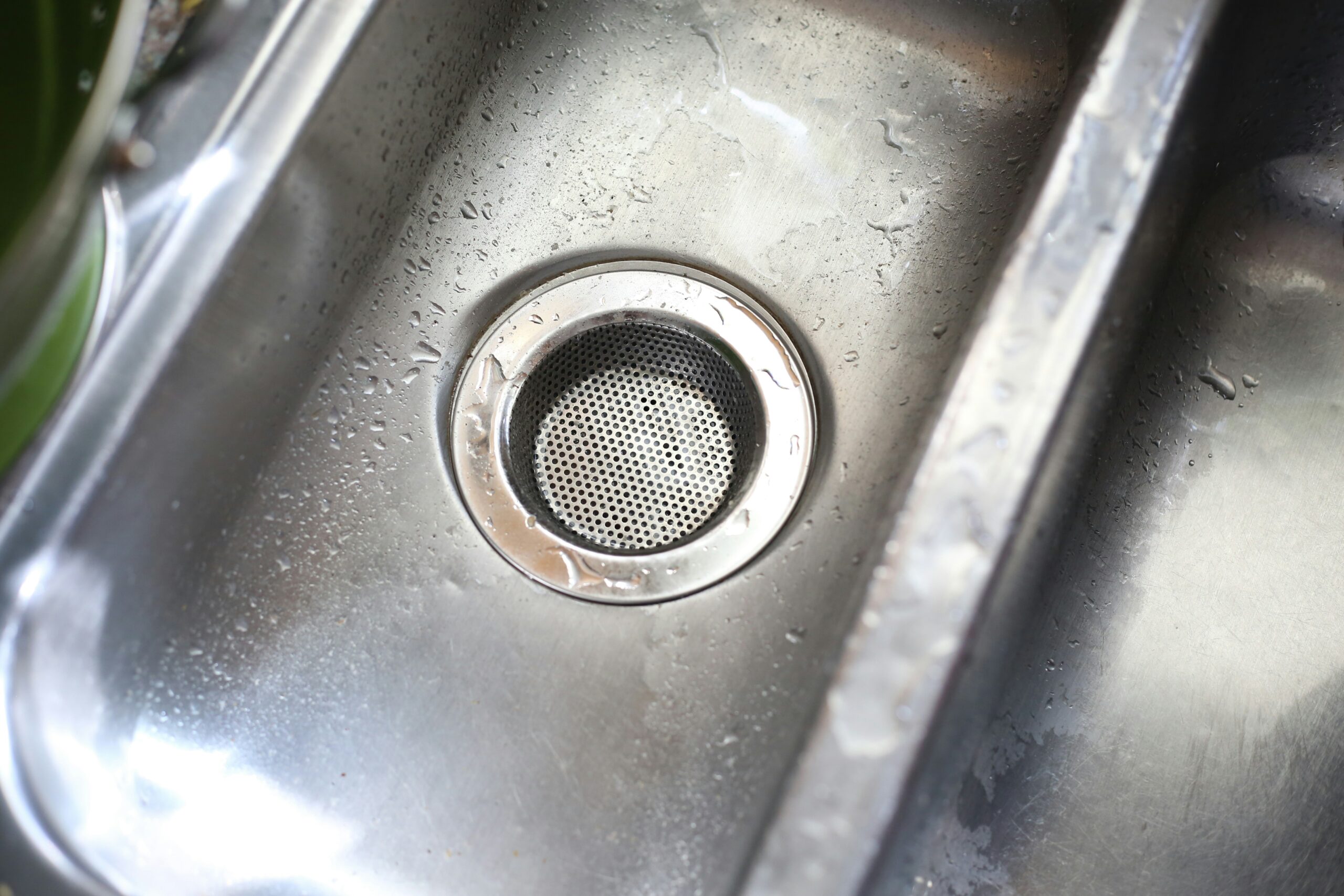
A bubbling noise after a toilet flush should be recorded at the place it occurred: the toilet bowl, a nearby sink or tub, or a lower drain. Timing after the flush is useful; it does not prove either a blocked vent or an isolated toilet clog.
Check the condition before adding water
For strong, widespread or unexplained gas-like fumes, exposure symptoms, or suspected high sewer-gas concentrations in an enclosed space, leave the building immediately and call the fire department or emergency services from outside. Avoid flames, switches and other ignition sources; do not remain to ventilate, sniff drains or investigate. Smell intensity does not measure the concentration. A faint localized drain odor without those warning signs calls for a different plumbing investigation; it does not automatically establish a fuel-gas leak.
If fuel gas is suspected, leave the building or affected area immediately. Do not operate valves, switches, plugs, appliances or phones there. Call the gas emergency service from a safe location well away, and wait for responders’ clearance.
Keep away from wet electrical equipment. Do not touch wet appliances, plugs or switches, or enter water to reach a breaker. When no gas leak is suspected, power may be isolated only from a safely accessible dry location; otherwise call an electrician or emergency help. Wet equipment needs qualified assessment before it is used again.
If wastewater rises, spills or returns through another fixture, stop adding water. Stop connected appliance discharges using safely accessible dry controls only when no gas emergency is suspected. Avoid sewage contact, keep children and pets away and arrange prompt drainage help. In a shared building notify management; contact the sewer provider when public-system involvement is suspected. Do not repeat flushes or fill basins to find the limit.
Separate the toilet bowl from the receiving drain
- Did the original flush empty normally, leave a high bowl, or coincide with water rising at another fixture?
- Where was the sound heard from a normal standing position, and which other fixtures were already in use?
- Record recurrence, any visible leakage and the exact cleaner history without another flush.
Choose the next step from the actual condition
- Do not repeatedly flush a high, slow or uncertain bowl. For actual return at another fixture, stop connected discharge and arrange drainage help. A toilet tank shutoff affects that toilet’s supply; it does not isolate sewage from other fixtures or the public sewer.
- A genuinely isolated ordinary toilet blockage can sometimes be handled with a suitable toilet plunger and the fixture/product instructions, after excluding hazardous residue, overflow risk and shared return. A post-flush gurgle alone does not select that treatment, and plunging every nearby drain is not a diagnostic sequence.
- An identified unused ordinary trapped drain may need a modest amount of plain water when its receiver is known to drain safely and no gas emergency, return, chemical or electrical hazard exists. Do not run every nearby tap for a fixed minute. Persistent seal loss or recurrent bubbles need assessment rather than repeated refilling.
What a gurgle can—and cannot—show
A gurgle records an air-and-water event, but its tone cannot uniquely separate a vent fault from a restriction. A visible toilet-bowl level is different from water hidden inside an opaque sink P-trap. Do not loosen a trap or cleanout to see its level, put your ear or face near a drain, or use a hose as a listening tube. Keep cleanouts closed and leave roof vents, enclosed pits and tanks to the appropriate qualified provider.
Before ordinary local drain care
Identify any cleaner already used and follow its actual label. Do not mix products or add bleach, acid, ammonia, vinegar or an improvised neutralizer. Do not plunge, cable or open a trap while hazardous residue may remain; tell the provider the product and when it was used. Rinsing or waiting alone does not prove residue is gone. A maintenance product and a caustic drain opener can have different instructions.
Can a hose held to my ear distinguish suction from pushback?
No reliable vent-versus-clog diagnosis follows from that sound comparison. Avoid close drain listening and improvised listening tubes. Give the provider the original flush, bowl behavior and actual responding location.
Related situations
Sources and equipment limits
- Wisconsin DHS: Sewer Gas
- Con Edison: suspected gas leaks
- CDC: electrical hazards near water
- Madison Metropolitan Sewerage District: handling sewer backups
- Drano Liquid Drain Cleaner: actual product precautions
Sources describe the stated hazards and equipment principles; they do not identify the installation in your home. Use the actual product instructions and local requirements for a proposed repair. Independent professional review and field testing have not been obtained.