Quick Answer:
If water comes back brown after the main shutoff, it’s usually stirred-up rust or sediment from the service line or your pipes. Don’t drink it. Open cold taps and flush until the water runs clear, then check hot water and appliances before normal use.
Why This Happens
When the main is shut off and later reopened, a sudden change in flow can dislodge rust, mineral deposits, or settled sediment in the street line or in your home piping. Older iron pipes, galvanized pipe remnants, or a tank-type water heater with sediment can produce brown or discolored water for a short time after service work or pressure changes.
Usually the discoloration is cosmetic rather than a new contaminant. Still, it can stain laundry and taste bad, so it’s best to flush and confirm the water is clear before using it for drinking, cooking, or washing clothes.
Step-by-Step What to Do
1. Check for notices
- Look for any local water advisory from your utility or your property manager before doing anything else. If the utility warns not to use water, follow their instructions.
2. Start with cold taps
- Open the cold-water tap at the lowest point in the house (basement or an outdoor spigot) and then open a cold tap at the highest point (upstairs bathroom). Let the cold taps run for several minutes.
- Flush cold lines until clear then test hot. Once the cold water runs clear at one fixture, check other cold fixtures and continue until they’re clear too.
3. Test hot water
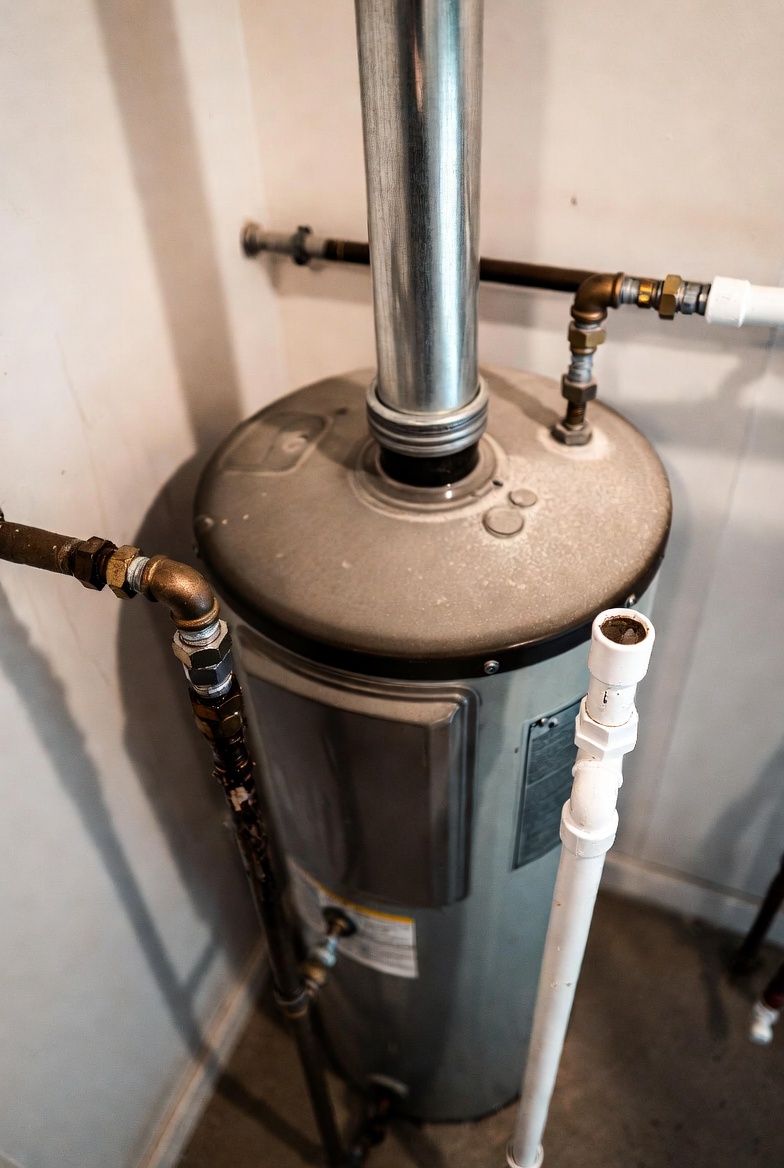
- After cold lines are clear, run the hot water at a single sink for a minute and observe the color. If hot water is brown but cold is clear, the issue may be sediment in the water heater.
- If the water heater is suspected, consider flushing the heater following the manufacturer’s safe procedure, or call a professional if you’re unsure.
4. Protect appliances and laundry
- Delay running the dishwasher or washing machine until both cold and hot supplies are clear to avoid staining clothes or dishes.
- If a large amount of discolored water came into your home, check filters on refrigerators and point-of-use filters and replace if they caught sediment.
5. Final checks
- Once water runs clear from multiple fixtures, run each tap briefly to confirm. Smell and taste water cautiously (only after it’s clear), and watch for staining on sinks or laundry.
- If discoloration returns or you notice metallic taste or low pressure, stop using the water and follow the next section.
What Not to Do
- Do not drink brown water after shutoff.
- Don’t run hot appliances (washing machine, dishwasher) until both cold and hot water are clear.
- Don’t attempt major water heater repairs yourself if you’re not experienced; tank flushing can involve hot water and pressure hazards.
When to Call a Professional
- If discoloration lasts more than a few hours or returns repeatedly after flushing.
- If you see heavy sediment, continued metallic taste, or low pressure across multiple fixtures.
- If only the hot water is brown and you’re not comfortable flushing the water heater yourself.
Safety Notes
- Do not use discolored water for drinking, cooking, or brushing teeth until it clears.
- Wear gloves if you’re handling large amounts of discolored water or sediment to avoid skin irritation and mess.
- Hot water can scald; be careful when testing or flushing the water heater and open taps slowly.
For taste or smell concerns after resolving discoloration, see Bad taste after plumbing repair and Odor after water heater install for more on those specific situations.
Common Homeowner Questions
- Is brown water dangerous? Short answer: usually not harmful but don’t drink it until it clears. It can contain rust or sediment that may upset stomachs or stain laundry.
- How long will flushing take? Often a few minutes to an hour, depending on how much sediment there is and how many fixtures you need to clear.
- Will brown water damage pipes or appliances? Occasional discolored water usually won’t damage pipes, but repeated sediment can clog filters and may stain fabrics or finishes if used in appliances.