Quick Answer:
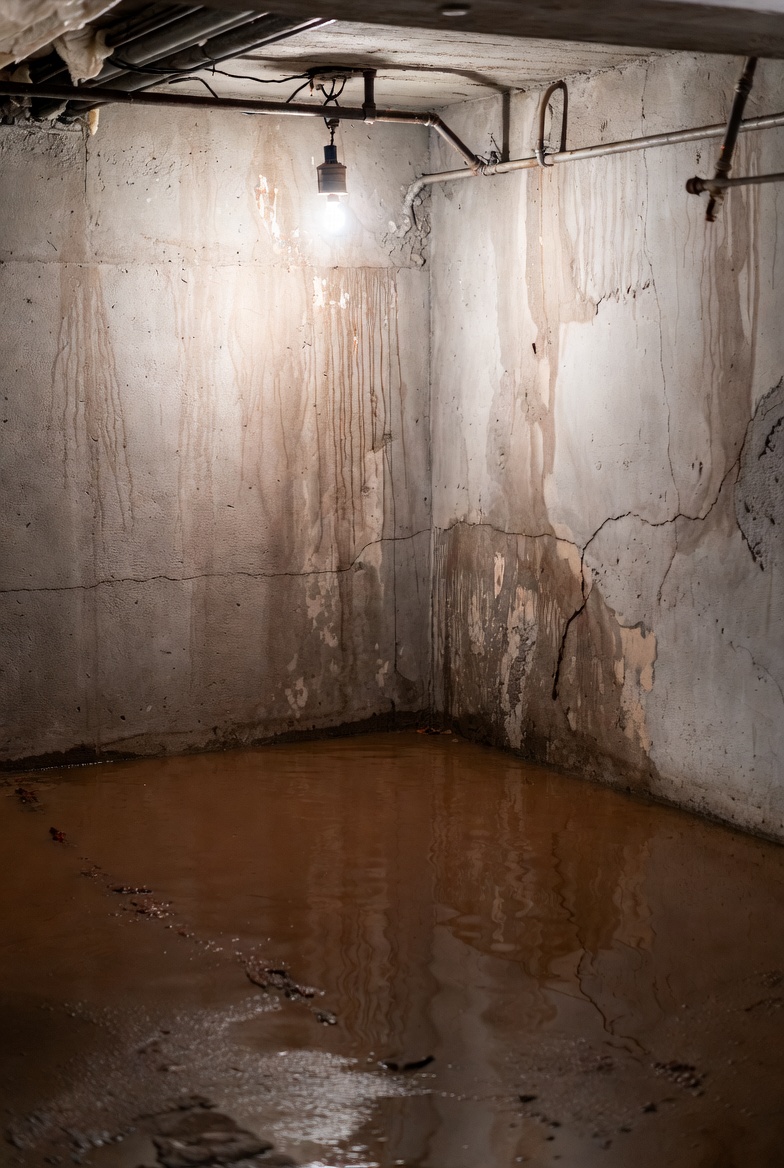
If a basement floor drain rises or overflows only when someone flushes an upstairs toilet, it usually means a partial clog or a shared branch line is restricting flow. Stop using upstairs fixtures, test carefully to confirm which toilet triggers the backup, and then try clearing the branch from the nearest cleanout. If the backup is repeatable or includes sewage, call a plumber.
Why This Happens
Most homes have branches that collect waste from several fixtures before joining the main sewer stack. When that shared section has buildup — grease, paper, hair, or mineral deposits — it can accept normal flow but not large pulses. A toilet flush sends a sudden surge. If the branch is narrowed or partially blocked, the surge can push wastewater back into lower fixtures such as the basement floor drain.
Other causes that make backups worse include poor venting (which you might notice as gurgling), a clog closer to the main sewer, or high demand when several fixtures run at once. For related issues and broader troubleshooting, see the cluster hub topic Basement Floor Drain Backups. If you want another example of how a single upstairs fixture can affect lower drains, check a related guide called Drain backs up only when shower runs.
Step-by-Step What to Do
1. Stop using all upstairs fixtures and isolate the test
Immediately have everyone stop using sinks, showers, and toilets upstairs. The goal is to reproduce the issue with only one controlled flush so you can be sure which fixture is causing the rise at the basement drain.
2. Test by having one person flush while you watch the basement drain
With all other fixtures idle, have a single person flush the suspect toilet while you observe the basement floor drain. Watch whether the drain surface rises, bubbles, or overflows. This confirms correlation between that specific toilet and the basement backup.
3. Remove the toilet tank cover and briefly flush to confirm timing
Removing the tank cover lets you see the exact moment the flush starts (and if it’s a full or partial flush). Use a quick, single flush while you watch the basement drain. A clear, immediate response after the flush shows the two are linked.
4. Listen for gurgling and other drain symptoms
Run a small amount of water in other drains upstairs and listen for gurgling or slow drainage. Gurgling often means a venting problem or a partial blockage that causes air to move through traps when flow changes.
5. If the basement drain rises only when that toilet flushes, access the nearby cleanout
Locate the cleanout closest to the affected branch (often on the basement wall or floor). Open it carefully and, if comfortable, use a hand auger or drain snake and feed it toward the main sewer to remove shared-clog buildup. Work slowly and pull debris back out rather than pushing aggressively toward the main. If you find solid obstructions or the snake won’t advance, stop and call a professional.
6. Document what triggers the backup for the plumber
Keep notes: which fixture causes the backup, whether the basement drain rises immediately or after several uses, any gurgling, and whether plunging helped. Photos or a short video of a test flush and the drain response are very helpful for a plumber diagnosing a deeper problem.
What Not to Do
- Avoid multiple flushes in rapid succession. Repeated flushing can push sewage further into the house drains or spread contamination.
- Don’t plunge aggressively on upstairs fixtures until you know where the clog is; violent plunging can push clogs farther into shared lines and make the problem worse.
- Do not pour strong chemical drain cleaners into the system when sewage is backing up — they can be hazardous and often won’t clear a main or branch clog.
- Call a pro when backups occur every time a specific upstairs fixture is used, when plunging makes no difference, or when sewage appears in the basement.
When to Call a Professional
- Backups repeatable with a specific fixture or that happen every time someone uses a particular upstairs toilet.
- You cannot clear the branch from the cleanout, the snake won’t advance, or the problem returns quickly after your attempts.
- Sewage reaches the basement or you see raw wastewater anywhere — stop and call a plumber immediately.
- Suspected broken stack, collapsed or misaligned pipe, or the main sewer line is blocked (city connection issues).
When you call, share the notes and any video you took showing which fixture triggers the backup. That speeds diagnosis and helps the plumber prepare the right tools.
Safety Notes
- Wear gloves and eye protection when working near sewage or opening cleanouts. Sewage can carry harmful bacteria and viruses.
- Avoid standing in basement water; it may contact electrical outlets or appliances. If water reaches electrical equipment, shut off power to that area from the main panel before entering, or wait for an electrician/plumber.
- If using a hand auger, feed it slowly and maintain a firm grip. Avoid power augers unless you have training — they can damage pipes and cause injury.
- Dispose of removed debris and contaminated materials safely and clean tools after use.
Common Homeowner Questions
- Q: Will a plunger fix this? A: Sometimes for small, close-to-fixture clogs, but if the backup is from a shared branch or main, plunging often won’t help.
- Q: Can I use chemical drain cleaner for this? A: Not recommended — chemicals rarely clear branch or main clogs and are hazardous with sewage present.
- Q: How do I know if it’s a vent problem? A: Frequent gurgling, slow drains across multiple fixtures, or toilet tank refilling oddities suggest venting issues; a plumber can test vents safely.