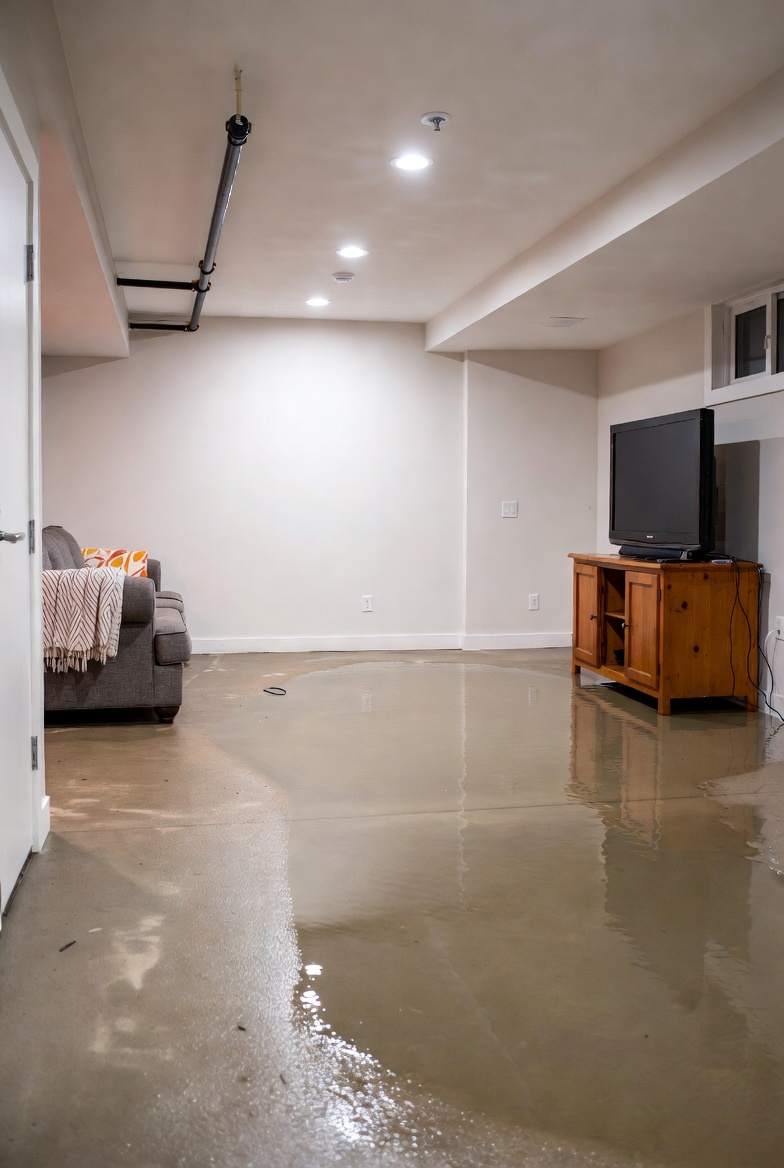
Quick Answer:
If the basement drain rises when the washer pumps out, stop the machine and watch the drain. If the level falls, the washer itself is forcing more water than the local branch can handle or the branch is partially blocked. Follow the checks below to confirm whether the standpipe, drain branch, or shared line is the problem.
Why This Happens
Washer cycles discharge a large volume of water quickly. If the standpipe feeding the drain is too short, the washer hose is inserted incorrectly, the branch line to the main sewer is partially blocked, or gravity flow is marginal, the water can back up into the basement drain. A shared branch that serves other fixtures can also briefly overload when the washer discharges.
Step-by-Step What to Do
1. Stop the washer and observe the drain
- Immediately pause or unplug the washer. Watch the basement drain for a minute or two.
- If the water level drops back down after stopping the washer, the problem is tied to the washer discharge flow rather than a permanent collapse of the drain.
2. Inspect the standpipe and drain hose
- Confirm the standpipe height meets local code or common practice (usually at least 18–30 inches above the trap). A very short standpipe can allow water to spill back into the floor drain.
- Check that the washer drain hose is secured to the standpipe and not pushed too far into the pipe. The hose should sit in the standpipe opening and be clipped or looped so it won’t fall in or be forced deeper.
3. Run a controlled test spin
- Put a small load in the washer and run a spin/drain cycle while watching the drain. Smaller loads can reveal whether the standpipe and branch clear quickly or immediately begin to back up.
- Note the timing: if the drain overflows only during the pump surge but recovers quickly, the system is marginally sized or partially restricted.
4. Check other drains for simultaneous slowbacks
- While the washer is discharging, have someone flush a toilet, run a sink, or operate another fixture. If multiple fixtures slow or back up at the same time, the issue is likely in the shared branch between the washer and the main cleanout.
- If the washer discharge coincides with backups elsewhere, inspect or snake the branch line between the washer and the main cleanout. Removing blockages in that section often restores normal flow.
5. Consider a laundry pump if gravity flow is marginal
- If the branch runs uphill or has long horizontal runs and you find gravity flow is barely adequate, a small laundry pump (ejector) can reliably move washer discharge to the main drain without repeated backups.
- Installing a pump is a practical option when rerouting piping is impractical or when the standpipe location is below the main sewer level.
What Not to Do
- Avoid elevating or jamming the washer hose deeper into the standpipe to force flow—that can cause siphoning, damage to the hose, or push solids into the line and make blockages worse.
- Do not pour strong chemical drain cleaners into basement drains where standing water may contact fabrics or reach the sewer in unpredictable ways.
- If backups happen on every drain cycle, you suspect a collapsed branch pipe, or traps and cleanouts are inaccessible, call a professional rather than attempting unsafe or destructive repairs yourself.
When to Call a Professional
- Backups occur with every washer cycle or involve multiple fixtures at the same time.
- You suspect a collapsed or severely damaged pipe in the branch line between the washer and the main cleanout.
- Traps, cleanouts, or branch lines are inaccessible, or you’re not comfortable snaking the line. A plumber can inspect with a camera, perform proper snaking or hydro-jetting, and advise if rerouting or a laundry pump is the best long-term fix.
Safety Notes
- Turn power to the washer off before checking hoses or reach into drains. Keep electrical devices and cords away from standing water.
- Wear gloves and eye protection when handling drain hoses or cleaning around drains. Used water can contain soil, lint, or sewage contaminants.
- Avoid breathing fumes from drain-cleaning chemicals. If you must use a mechanical snake, follow the tool instructions and use caution to avoid injury or pipe damage.
For related quick reads, see Basement drain floods when washer drains and Basement drain floods when upstairs toilet flushed. For a broader look at recurring problems in this area, check the cluster hub topic Basement Floor Drain Backups for planning and prevention ideas.
Common Homeowner Questions
- Q: Will pushing the hose deeper stop the backup?
A: No. That risks siphoning, hose damage, and pushing debris into the line. - Q: Can I snake the branch myself?
A: Yes for short, accessible runs, but stop and call a pro if the snake won’t clear the blockage or if you can’t reach the cleanout. - Q: Is a laundry pump a good permanent fix?
A: Often yes—especially when gravity flow is marginal or the washer is below the main sewer line.