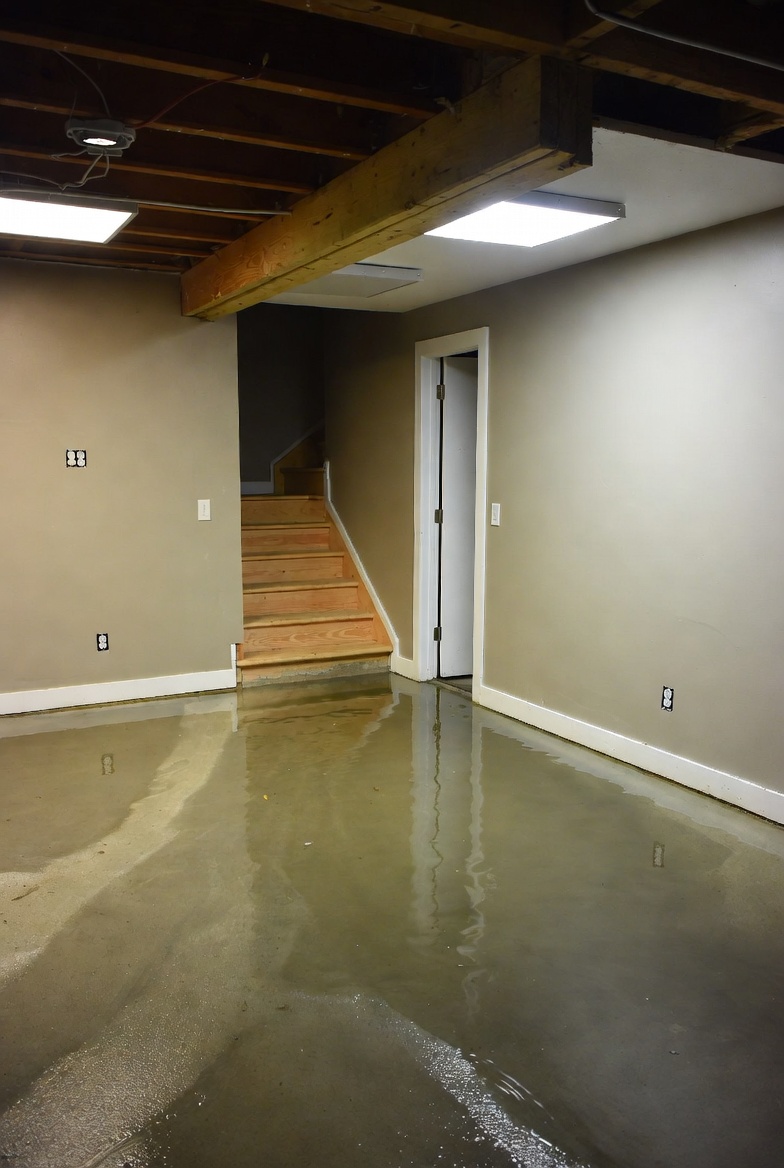
Quick Answer:
If your basement drain floods at unpredictable times while daily use changes, start a simple event log, rule out surface water entering the system, run short bucket tests to compare dry and wet conditions, and treat intermittent flooding as a possible structural sewer issue. Schedule a professional sewer camera inspection rather than repeatedly using forceful snaking.
Why This Happens
Random basement drain flooding is usually not caused by a single clogged trap or occasional debris. Common causes include:
- Ground or surface water entering through failed roof gutters, downspouts, or low points that overload the drain system during some storms.
- Partial blockages in the sewer main that let water back up only under certain flows or pressures—this can be from grease, sediment, or shifting debris.
- Structural problems in the sewer line such as root intrusion, cracks, or partial collapse that allow intermittent blockage and sudden backup.
- Appliance or interior water use patterns that sometimes coincide with heavy infiltration or a weakened pipe.
Because randomness often signals a structural problem (root intrusion or collapse), it’s safer to get a camera inspection before aggressive clearing.
Step-by-Step What to Do
1. Start a simple event log
- Record date, time, weather (rain, snowmelt), and what appliances were running (washer, dishwasher, sump pump activity) when flooding occurs.
- Include notes on any nearby construction or heavy vehicle loads on the street that might affect the sewer line.
2. Check exterior drainage and roof/downspouts
- Inspect gutters, downspouts, and the grading around the foundation. A clogged gutter or a downspout that dumps at the foundation can send extra water into the drain system.
- Look for pooling around the house after rain; correct downspout run-off away from the foundation if needed.
3. Run short bucket tests
- Pour a measured bucket of water (5–10 gallons) down the drain and watch the flow. Repeat during dry weather and immediately after heavy rain to compare behavior.
- Do several quick tests rather than one long test to see whether flow changes with recent storms or dry spells.
4. Observe whether flow changes with weather or appliance use
- Use your event log to match backups to heavy rain, appliance cycles, or other patterns. If backups line up with storms, infiltration or an overloaded system is likely.
5. Schedule a professional sewer camera inspection
- A camera will show roots, cracks, offsets, or collapses that cause intermittent backups. It’s the next prudent step when flooding is unpredictable.
- Share your event log with the technician—timing clues help locate the problem and decide if spot repair or full replacement is needed.
What Not to Do
- Avoid assuming it’s a simple fixture problem and repeatedly plunging or snaking without inspection—this may push debris into weaker areas and make a structural issue worse.
- Don’t use aggressive mechanical cable snaking over and over on an intermittent backup; forceful snaking can damage a compromised sewer pipe.
- Do not ignore exterior checks like gutters and grading. Surface water problems are often fixable and can reduce backups if corrected early.
- Call a pro when flooding is unpredictable, when camera inspection is advisable, or when structural repair seems likely.
When to Call a Professional
Call a licensed plumber or sewer contractor if any of the following apply:
- Flooding happens with no clear appliance or fixture cause and your event log shows random timing.
- Your short bucket tests show different behavior in wet versus dry conditions.
- You suspect root intrusion, a crack, offset, or collapse—these require camera work and possible excavation or pipe lining.
Professional inspection is especially important because randomness often points to structural issues rather than a simple clog.
Safety Notes
- Avoid standing in contaminated floodwater—sewer backups can carry bacteria and harmful chemicals. Use protective gloves and boots if you must enter the area.
- Turn off any electrical circuits serving flooded areas before entering, if it is safe to do so.
- If sewer gas odor is strong, ventilate the area and consider leaving until a pro assesses the risk.
Common Homeowner Questions
- Q: Could this be caused by my washer or sink?
A: Possibly, but if backups are random and tied to weather or show different behavior in tests, the issue is more likely in the main sewer or exterior drainage. - Q: Will snaking fix it permanently?
A: Not if the pipe is damaged or full of roots—snaking may give temporary relief but can worsen weak sections. - Q: How soon should I get a camera inspection?
A: As soon as backups are unpredictable or repeated; a camera will identify structural causes and guide repair choices.
For more background on related problems, see the cluster hub topic Basement Floor Drain Backups and the related posts Basement drain floods randomly and Drain backs up intermittently for deeper troubleshooting and next steps.