Quick Answer:
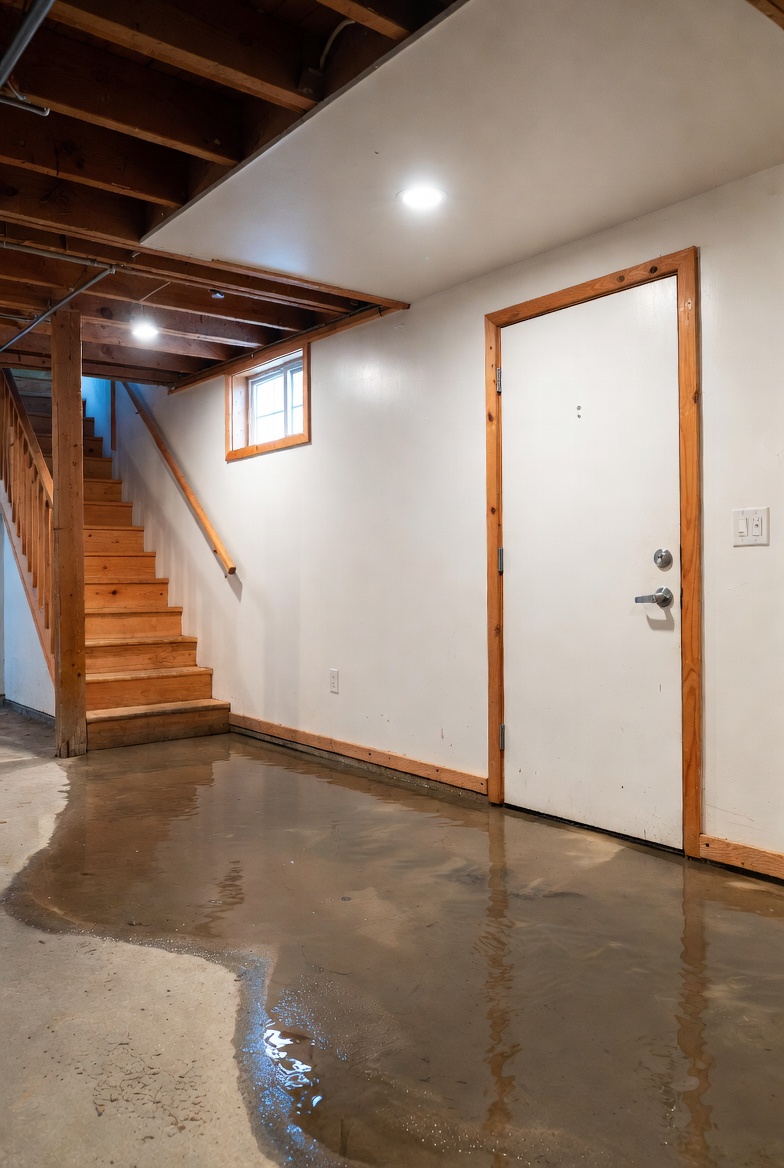
If your basement drain flooded right after restoring water, stop using heavy appliances, open a few faucets slowly to re-pressurize lines one at a time, and check the backwater valve and cleanout for discharge. Observe recently worked-on joints for new leaks. If flooding started during re-pressurization or you see new leaks, call a professional to pressure test piping and inspect trap seals and valves.
Why This Happens
When water service is restored, pipes that were empty or partially filled suddenly fill and pressurize. That can reveal weak fittings, cracked traps, failing valve seats, or a stuck backwater valve. Air pockets moving through the system can also push sewage or water back through basement floor drains if a backwater device or trap seal is compromised. Any recent work on drains, traps, or supply lines raises the chance that a joint or seal was weakened and will fail under pressure.
Step-by-Step What to Do
Step 1 — Shut off major flows
- If flooding is active, turn off the main water valve to stop additional pressurization. If the flood involves sewage, avoid stepping in the water.
Step 2 — Re-pressurize slowly, one circuit at a time
- Open a few faucets slowly and let lines pressurize one at a time. Start with a cold tap on an upper floor and work down. This staged approach helps spot the source of a leak before the whole system experiences full pressure.
Step 3 — Watch recently worked-on areas
- Carefully observe any new leaks or wet spots around recently worked-on joints, traps, or fittings. If you see weeping or spray, turn off the main and isolate that section if possible.
Step 4 — Check the backwater valve and the cleanout
- Inspect the backwater valve and the building cleanout for sudden discharge. Backflow devices can stick or fail, and the cleanout will often show sewage or water being forced back up when there’s a problem.
Step 5 — Avoid cycling heavy appliances
- If the flood began at re-pressurization, avoid heavy appliance cycles (washers, dishwashers) and do not run them full blast until you know the system is sound.
Step 6 — Call a pro for pressure testing and diagnostics
- If flooding began when you turned the water on, if leaks appear, or if you suspect compromised trap seals or failing valves, call a licensed plumber. They can pressure test piping, inspect traps and backwater devices, and identify hidden failures before another flood.
What Not to Do
- Avoid immediately running high-demand appliances (washers, dishwashers) full blast after turning the main back on—this can worsen unseen leaks.
- Do not ignore new wet spots around joints or trap areas; small leaks can quickly become full floods once the system is under pressure.
- Call a pro when flooding starts during re-pressurization, when leaks appear, or when you suspect damaged seals or fittings. Don’t try full system testing if you lack proper tools or experience.
When to Call a Professional
- Flooding that starts when you restore service.
- Visible leaks at joints, traps, or near the backwater valve or cleanout.
- Suspected compromised trap seals, failed backflow devices, or persistent odors that suggest sewer gas entry.
- If you need a pressure test of the water or drain piping, or a camera inspection of the drain line.
Safety Notes
- Standing water can hide electrical hazards—shut off power to affected areas before wading in, if you can do so safely.
- Basement floods that include sewage are a health risk. Avoid direct contact, wear gloves and boots, and disinfect surfaces after cleanup.
- Do not run pumps or appliances into a flooded sump or drain area without professional guidance—this can spread contamination or damage equipment.
Common Homeowner Questions
- Q: Could air in the lines cause a basement drain to back up?
A: Air pockets can move water and briefly disturb trap seals, but true backups usually indicate a valve, trap, or downstream blockage. - Q: Should I try tightening a leaking joint myself after re-pressurizing?
A: Only if you can safely isolate the section and are confident in the repair; otherwise shut off the water and call a pro. - Q: Is the backwater valve the likely culprit when the cleanout discharges during re-pressurization?
A: Yes—if the backwater device is stuck open or failing, it can force sewage back into the basement through the cleanout or floor drain.
For more background on similar problems and longer-term prevention, see the cluster hub topic “Basement Floor Drain Backups” and related resources such as Backup after city outage.
Related Articles
If you’re seeing a related symptom, these may help:
- Basement drain floods after turning water back on
- Backup after city outage