Quick Answer:
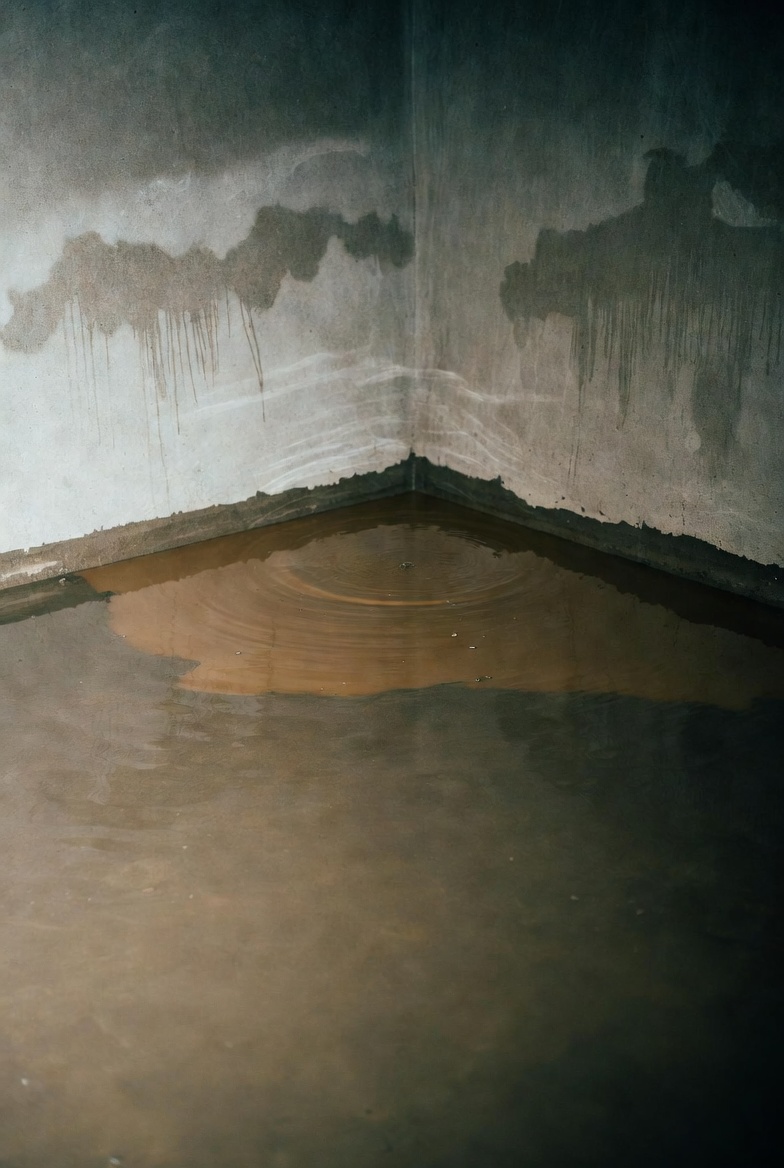
If you see sewage or dirty water at the basement floor drain after the city water or sewer outage, don’t panic. Stop using multiple fixtures, check municipal outage notices, and slowly turn on one fixture at a time, flushing briefly. Inspect any backflow preventer or check valve for debris, and carefully open the sewer cleanout to determine whether the problem is inside your home or on the city side. If sewage comes out of the cleanout, stop and call the utility or a licensed plumber right away.
Why This Happens
When a city outage affects pumps or treatment plants, sewer flow can back up or pressure can change in the system. That can push sewage back toward low points in houses, like a basement floor drain. A stuck or dirty check valve or backflow preventer can make things worse by not sealing properly when conditions change. Municipal crews sometimes reroute flow or run emergency equipment during outages, which can also affect nearby laterals.
Step-by-Step What to Do
1. Check municipal notices first
Look for any city or utility messages about sewer work, pump outages, or advisories. If multiple homes are affected, it’s likely a municipal issue rather than your lateral or valve.
2. Stop running fixtures all at once
- Avoid turning on multiple taps, appliances, or flushes at the same time. That sudden demand can push water and sewage into low drains.
3. Turn fixtures back on slowly—one at a time
- Open a single cold tap slowly, let flow stabilize, then turn it off.
- Flush toilets briefly, one at a time, and wait a minute between each to see how the drain responds.
- Do not run showers, washing machines, or dishwashers until you’re sure drains are clear.
4. Inspect any backflow preventer or check valve
- Look for obvious debris, a stuck flap, or loose hardware. If the valve looks jammed or broken, do not try complex repairs yourself—call a pro.
5. Carefully open the sewer cleanout to locate the backup
- Put on gloves, eye protection, and old shoes. Have disinfectant and absorbent rags handy for cleanup.
- Open the cleanout cap a little at first to see if water is rising from the line. If nothing appears, you can open it fully to inspect whether the blockage is on your side.
- If sewage emerges from the cleanout, stop immediately and call the utility or a licensed plumber. That shows the problem is past your house or in the main sewer.
6. Monitor and document
- Note times, which fixtures affected the backup, and any municipal notices. Photos can help a plumber diagnose the issue.
- If the drains clear after these steps, continue to use fixtures slowly for a while and watch for recurring signs.
If you want more context on similar scenarios, see Backup after city outage and for related homeowner-readiness after returning to a house, check Backup after long vacation. For related issues around kitchen plumbing, the cluster hub Dishwasher Water Backing into Kitchen Sink covers overlapping backflow and drain topics.
What Not to Do
- Don’t run all taps full blast after an outage—this can overload a stressed sewer system and make a backup worse.
- Don’t pour harsh disinfectants or large volumes of chemicals into drains hoping to fix a municipal problem—these can damage pipes, valves, and harm sewer workers downstream.
- Don’t try to clear sewage that’s coming out of the cleanout yourself—stop and call the utility or a licensed plumber immediately.
When to Call a Professional
- When sewage is present at the cleanout or in your basement—this is a health hazard and needs a plumber or the utility.
- When multiple homes or neighbors are affected—this usually means a municipal or mainline issue that the utility must handle.
- When a backflow preventer or check valve looks damaged, stuck, or you’re unsure how to test it safely.
Safety Notes
- Avoid direct contact with sewage. Wear gloves, eye protection, and waterproof footwear.
- Ventilate the area if possible and keep children and pets away from contaminated spaces.
- If you need to open the cleanout, do it slowly and be prepared to step back if sewage appears.
- Use household disinfectant for surface cleanup after removal of visible dirt, but don’t pour strong chemicals into the sewer system to try to fix a public sewer problem.
Common Homeowner Questions
-
Q: Can I fix a backing sewer lateral myself?
A: No—lateral repairs and municipal mains require a licensed plumber and possibly the utility. -
Q: If only my house backs up, is it my responsibility?
A: Often yes, but open the cleanout first—if sewage is coming from the cleanout, the problem may be past your line and the utility must be notified. -
Q: How long after an outage should I wait to run appliances?
A: Wait until municipal notices say normal service is restored, then bring fixtures online slowly and one at a time.