Quick Answer:
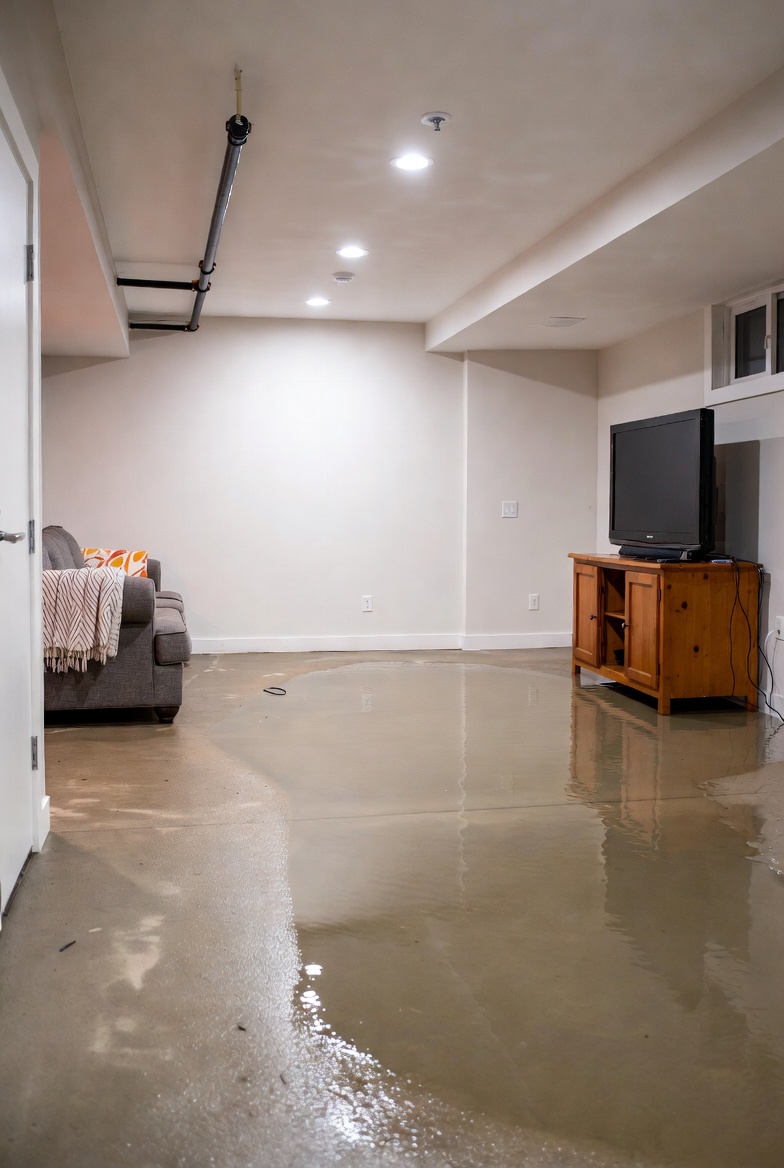
If your basement drain started backing up while you were unclogging gutters, the most likely cause is roof water being discharged too close to the foundation or an overloaded foundation drain. Start by confirming where downspouts empty, run a controlled water test at the gutter level, inspect window wells and low roof areas for concentrated flow, and then repair or extend downspouts with splash blocks or underground extensions so water leaves the foundation area.
Why This Happens
Roof drainage that lands near the foundation soaks the soil and increases hydrostatic pressure around foundation drains and footing drainage. If external drains are blocked or downspouts dump at the base of the wall, the sump, floor drain, or foundation drain can be forced to discharge back into the basement. This is a common cause when gutter work or downspout changes coincide with new basement backups. In similar cases homeowners describe symptoms like Basement drain backs up after rain.
Step-by-Step What to Do
Step 1 — Confirm downspout outlet locations and extension
- Walk around the house and note exactly where each downspout discharges. Look for outlets that stop at grade next to the foundation.
- Ensure downspouts extend beyond the foundation line. A good starting rule is to direct water at least 4 to 6 feet away from the foundation, or farther if the yard slopes toward the house.
- Mark any downspouts that discharge into shallow pits, window wells, or areas where water can pond against the wall.
Step 2 — Test by running water at the gutter level
- With a helper inside, run a garden hose into a single gutter or downspout for several minutes and watch interior drains, the sump, and low spots for signs of surcharge.
- Do this one downspout at a time so you can identify which outlet causes a response. Observe whether the floor drain backs up or the sump pump runs continuously.
- If you see immediate interior flow during the test, that points to roof drainage overwhelming the foundation system — similar to reports of Rain causes floor drain overflow.
Step 3 — Inspect window wells and low roof sections
- Check window wells, low roof areas, and valleys where runoff can concentrate. These spots can channel large volumes of water to small discharge points.
- Clear debris and make sure any local drains or well drains are free-flowing and direct water away from the foundation.
- Note any signs of repeated splash or erosion next to walls — those are places to prioritize rerouting flow.
Step 4 — Repair or extend downspouts; add splash blocks or underground extensions
- For downspouts that end at grade, add elbows and rigid extensions or bury corrugated pipe that slopes away from the house to carry water farther out. Ensure the run has positive slope away from the foundation.
- Use splash blocks where it’s practical to prevent immediate ponding at the wall. For longer runs, use smooth, rigid pipe rather than crushed or undersized tubing to reduce clogging.
- Seal and secure downspout connections so they don’t separate during heavy flow. Re-test after modifications to confirm the basement no longer surcharges during the water test.
What Not to Do
- Do not tie downspouts into the sanitary sewer — this can overload sewer lines and is illegal in many areas.
- Do not bury untreated discharge lines that can leak into the ground near the foundation; any underground route should be firm, sloped, and directed away from the house.
- Do not assume a small tweak is sufficient if backups continue. Surface repairs that don’t change where the water ultimately soaks can leave the problem in place.
- If backups start immediately after you adjust roof drainage or water persists at the foundation, don’t delay contacting a professional — this is a sign the foundation drainage or underground piping may be compromised.
When to Call a Professional
- Call a drainage or waterproofing pro if the basement backs up immediately after your downspout repairs or after the water test — that suggests a more serious connection or a blocked foundation drain.
- If water continuously pools against the foundation wall, or you see persistent wetness in the basement floor or walls despite redirecting roof runoff, call a pro to inspect footing drains and exterior grading.
- Also get help if you suspect broken underground drain pipes, collapsed tile drains, or if sewage is involved — these require specialized equipment and expertise.
Safety Notes
- Avoid standing in basement water unless you are sure the power to affected circuits is off. Water and electricity can be lethal.
- Use gloves, boots, and eye protection when working near standing or contaminated water to reduce exposure to bacteria and debris.
- When working on ladders or the roofline, secure ladders properly and have someone spot you. If you are uncomfortable with heights or heavy lifting, hire a professional.
Common Homeowner Questions
- Why did this start when I cleaned the gutters? Cleaning can change flow paths or dislodge debris into downspouts, revealing existing weaknesses. The work may have also allowed more water to reach weak spots.
- How far should a downspout discharge be from the foundation? Aim for at least 4–6 feet; more is better on properties with poor soil drainage or slope toward the house.
- Can I fix this with a few splash blocks? Splash blocks help short-term, but if backups persist you need extensions, grading changes, or a professional inspection to address the root cause.
More in this topic
For more related fixes and similar symptoms, see Basement Drain Backs Up Only After Rain.