Quick Answer:
If the dishwasher now backs water into the sink after nearby plumbing work, most likely a drain fitting or the drain hose was moved during the repair. Start by stopping dishwasher use, then check the trap and the fittings that were touched. Also confirm the drain hose is positioned correctly and that the drain line still slopes toward the branch line. For related checks, see Dishwasher drain hose installed wrong and Sink fills after winterization.
Why This Happens
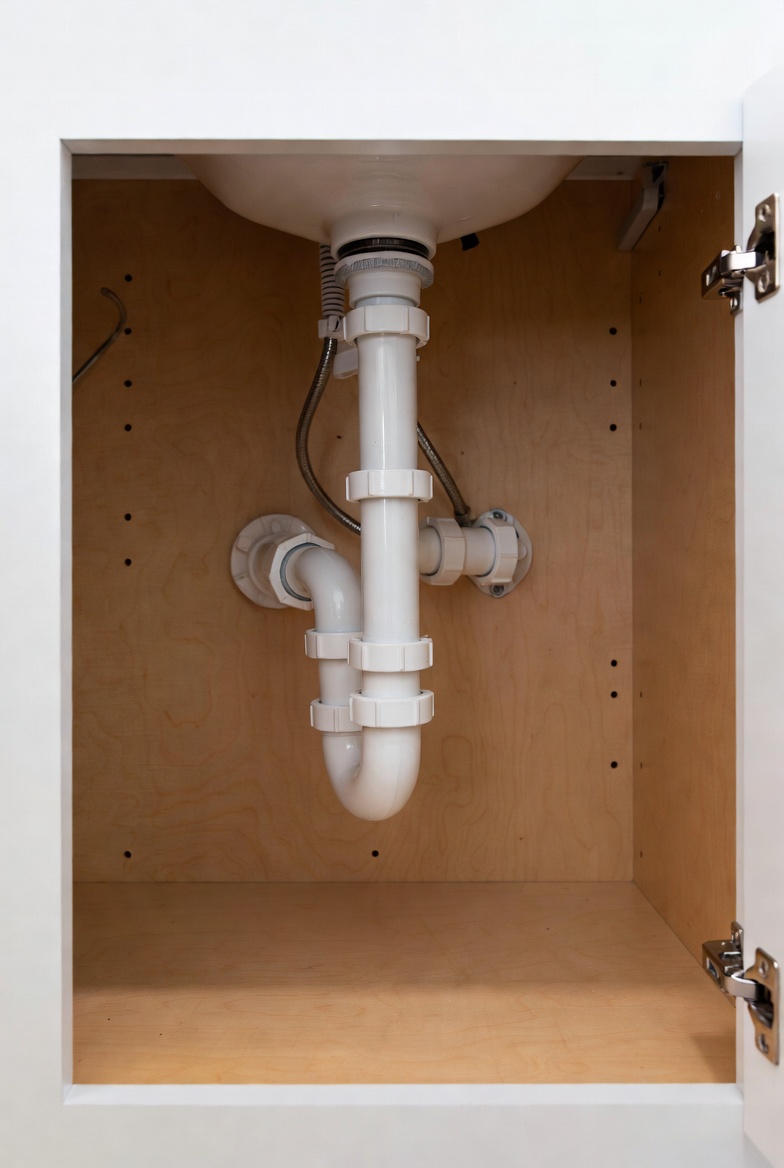
When a plumber or DIY repair involves the sink drain, small changes matter. A trap or slip joint nudged out of alignment, a washer flipped, or a slight change in slope can allow water to back up. If the dishwasher drain hose was moved, its high loop or air gap might no longer prevent sink water from returning to the dishwasher.
Step-by-Step What to Do
Step 1 — Stop and prepare
- Turn off the dishwasher or unplug it to prevent more water from being pumped into the drain.
- Place towels or a shallow pan under the sink to catch leaks when you open fittings.
- Have adjustable pliers and a bucket ready.
Step 2 — Inspect the repairs
Inspect joints touched during the repair—trap alignment, slip washers, and slope toward the branch line. Look for these specific issues:
- Trap alignment: The trap should line up with the tailpiece and branch, not be pulled sideways or at an angle.
- Slip washers: These sit between the nut and pipe surfaces; if flipped or pinched they can leak even if the nut is tight.
- Slope: The drain pipe should slope down toward the branch line so water flows away from the sink and dishwasher.
Step 3 — Check slip nuts and washers
- Loosen the slip nuts slightly and inspect the washer. If it’s turned around or damaged, reseat or replace it.
- After reseating, hand-tighten the nut and then give it a quarter turn with pliers—do not overtighten.
Step 4 — Verify dishwasher hose and high loop
- Follow the dishwasher drain hose from the appliance to where it connects to the disposal or tailpiece. Ensure the hose has a high loop secured under the countertop or an air gap properly installed.
- If the hose was rerouted during the repair, re-create the high loop so sink water cannot flow back into the dishwasher.
Step 5 — Test carefully
- Run a short cycle of the sink faucet and watch for leaks where you worked.
- Run the dishwasher drain step (or a short wash) to confirm the water flows out and does not come back into the sink.
- If you see leaks or continued backup, stop and re-check alignment and washers.
What Not to Do
- Do not overtighten slip joints to ‘fix’ a misalignment—reseat and correct washer orientation instead.
- Do not pour harsh drain chemicals if you suspect a mechanical issue; they won’t fix a misaligned trap and can be dangerous if a return visit or repairs are needed.
- Do not ignore small leaks; they can lead to bigger water damage below the sink.
When to Call a Professional
- There is persistent backup after you followed the steps above.
- You find a cracked pipe, a stripped nut, or a slipped tailpiece you cannot realign.
- There is sewage smell, slow drains throughout the house, or you suspect a main line issue rather than a local trap problem.
Safety Notes
- Wear gloves and eye protection when working under the sink; drains can be dirty and contain sharp edges.
- Turn off power to the dishwasher before working on electrical connections or the appliance itself.
- Avoid mixing or using chemical drain cleaners near recent repairs; chemicals can react with metals or harm plumbing finishes.
Common Homeowner Questions
- Why did this start right after the repair?
Small shifts during disassembly or reassembly—like a flipped washer or pushed trap—are common causes. - Can I just tighten everything to stop the backup?
No. Tightening can strip threads or crush washers. Reseat parts and replace damaged washers instead. - Is this likely to harm the dishwasher?
Short-term backups usually won’t, but repeated backflow or standing water can damage seals and electrical components if not fixed.