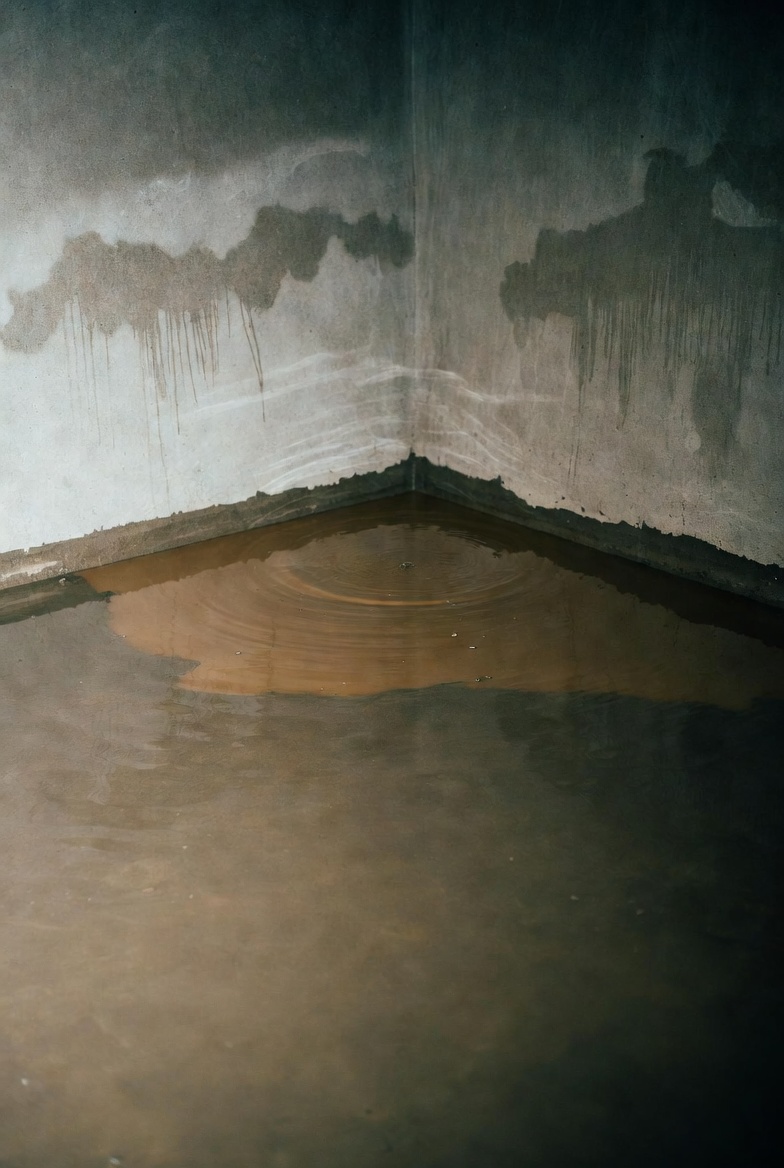
For a basement backup after a city outage, stop affected discharge and check the actual utility notice from safety. Identify whether the event affected potable supply, sewer pumping, electricity or several systems. Do not reopen fixtures one by one or loosen a cleanout to decide which side owns the fault.
Protect people and stop contributing discharge
For strong, widespread or unexplained gas-like fumes, exposure symptoms or suspected concentrated sewer gas, leave the building and call emergency services from outside. For suspected fuel gas, leave even if faint and do not operate switches, plugs, valves or phones there. Do not stay to sniff, ventilate or wait for an odor to fade; follow responder clearance.
Stay out of floodwater near electrical equipment. Do not touch wet plugs, controls or appliances; isolate only from safe dry access when no gas emergency is suspected, or get utility/electrician help. Stop affected household wastewater inputs during backup. Keep people and pets away from sewage and obtain prompt appropriate service. A water-supply shutoff cannot stop every external sewer or groundwater inflow.
Use utility information without treating timing as ownership proof
- Water-supply outage: Follow actual supplier and public-health restoration instructions. A supply flush is a separate task and needs an accepting drain. Do not turn restored water into a new wastewater test.
- Sewer or pump interruption: Report existing wastewater return and any known shared-building or neighbor observations to the sewer provider or management. Those reports are useful context, not a definitive location or liability finding.
- Valve and cleanout: A backwater device requires its actual model and safe maintenance state. Keep unknown or potentially surcharged covers closed. Neither sewage at a cleanout nor no visible discharge uniquely locates a blockage or establishes public responsibility.
Is the utility’s all-clear enough to restart appliances?
A service notice does not verify that the household drain, affected electrical equipment or a damaged device is safe. Resolve the actual local backup and required checks before appropriate return to use. Follow the specific drinking-water advisory as well; appearance or a fading smell is not water-quality clearance.
Use the original event, then arrange the appropriate assessment
Keep cleanout caps and unidentified sealed covers closed. Slow opening and gloves do not establish that trapped sewage, gas or pressure can be safely released. Do not open an access to discover the water level, run other fixtures or add a bucket to locate the blockage. Do not enter pits, tanks, manholes or excavations.
Record the original water location, actual discharge, work history, alarms and every cleaner or winterizing product already used. Do not add another product or improvise neutralization; identify actual label restrictions before tools, opening or cleanup. Waiting or a guessed rinse is not clearance. Collect photographs only from safe access and do not delay help to finish a log.
A suitable correction, accepting receiving path, secure reassembly and required source checks must precede any controlled completion check. Stop at leakage or renewed rise. Ask the provider what evidence supports clearing, a device repair or further inspection. A camera has access and visibility limits and does not automatically establish every hidden fault, grade or required replacement. Control source and electrical hazards before appropriate cleanup.
Related guides
When to get prompt basement drainage help
Sources and limits
- Wisconsin DHS: sewer gas, exposure and leaving an unsafe area
- Con Edison: suspected fuel-gas leak response
- CDC: electrical hazards near water
- Madison Metropolitan Sewerage District: stop discharge and report backup
- Example drain-opener label: remaining-product restrictions
- Seattle Public Utilities: repair choices and sewer-camera limits
- CDC: the actual drinking-water advisory governs restoration
Examples do not identify the installed device, actual defect or local responsibility. Independent professional review and household field tests have not been obtained.