Quick Answer:
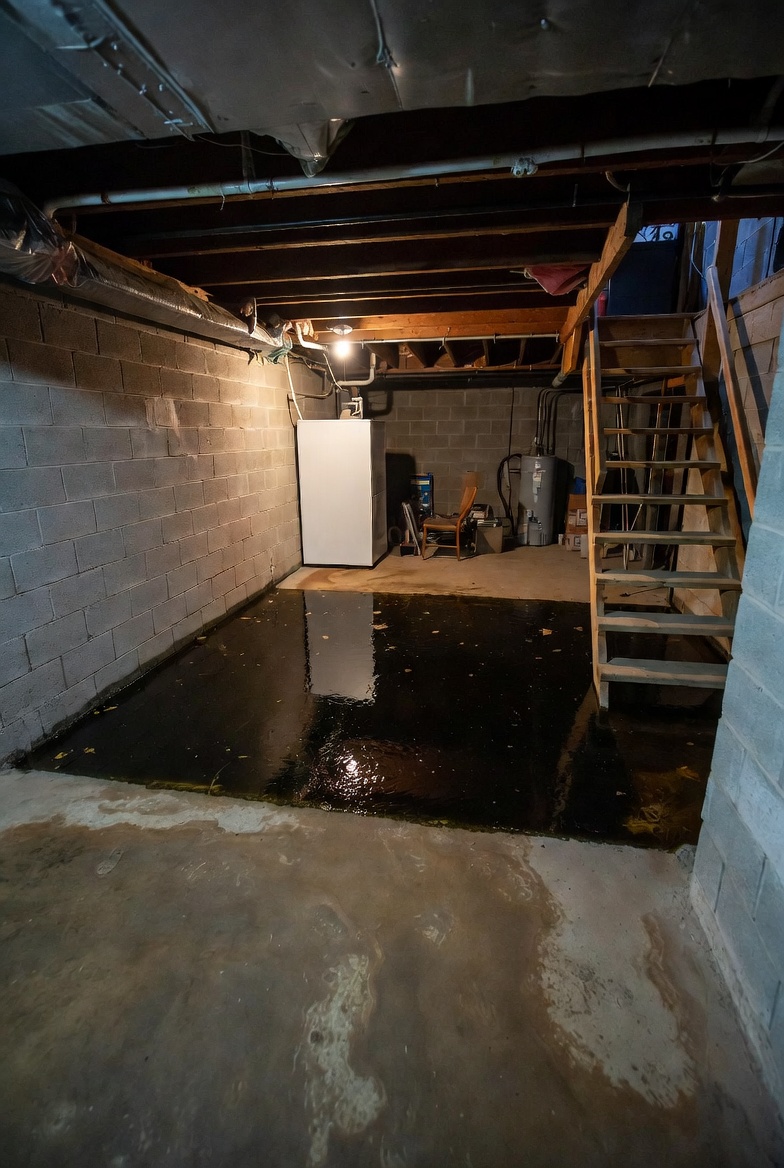
If you return to find water in your lower level, act quickly but calmly: check the water meter for unexpected flow, shut off the main water if the leak is large or ongoing, and inspect appliances and the sump pump for obvious failures. Document damage and call a professional if you can’t find the source or if standing water or saturated belongings are present.
Why This Happens
Homes can develop leaks while you’re away for several reasons: a worn appliance hose fails, a pump loses power, a pipe role-bends or freezes and then thaws, or drains back up. Sometimes the leak started long before your trip and only became obvious later; look for signs of long-term wetting like discolored concrete or staining along the perimeter. If you winterized systems, missed steps can cause problems too — check guides about flooding after winterization for what to watch for. Sudden, isolated events also happen; see resources on basement floods randomly for patterns that suggest intermittent failures.
Step-by-Step What to Do
1. Make a quick safety check
- Before entering a wet area, stop and look for electrical hazards (sockets, appliances, water near the furnace or panel). If electricity may be live in the wet area, keep out and call a pro.
2. Check the water meter for flow during your absence
- Locate the house water meter, note the reading, avoid using water for a few minutes, then re-check. Continuous movement on the meter with no water use indicates a leak while you were away.
3. Inspect appliance hoses and visible plumbing
- Look at washer hoses, dishwasher lines, the water heater connections, and any visible supply lines for splits, bulges, or pooled water.
- Feel the floor around appliances for soft spots and check under sinks for dampness or active dripping.
4. Check the sump pump status and power
- Confirm the pump is running if water is present. Check that it has power (breaker on, battery backup connected if present) and that the float or switch isn’t stuck.
- If the pump is off and you’re comfortable doing so, restore power briefly to see if it runs; if it does not, call a technician.
5. Look for slow drips and hidden sources
- Inspect toilet bases for slow leaks, feeling for damp flooring around fixtures.
- Check under sinks and cabinets for wetness and the perimeter walls for long-term staining that signals a prolonged leak.
6. Contain and document the damage
- Move dry items out of harm’s way, take photos for insurance, and mop or use wet vacs only when it’s safe (no electrical hazard).
- If the leak is large or continuous and you can’t stop it at the source, shut off the main water supply.
What Not to Do
- Do not assume the issue began while you were away; visible staining or mold can mean a much older problem.
- Do not just wipe up standing water and leave without finding and stopping the source.
- Do not use household vacuums on deep standing water or operate electrical appliances in wet areas.
- Do not delay calling help when you find standing water above drains, significant saturation of stored items, or you cannot locate the source quickly—these are signs to get professional help.
When to Call a Professional
- Any time you find standing water that is deep enough to cover drains or soak stored belongings.
- If you cannot locate the source, if the leak involves the water heater or gas appliances, or if the sump pump has failed and the basement is filling.
- When electrical systems may be wet or you see structural damage, mold growth, or sewage contamination.
Safety Notes
- Electricity and water are a dangerous combination—avoid entering flooded areas if outlets, breakers, or appliances are submerged or if you smell burning/plastic.
- Wear gloves and boots when handling wet materials and be cautious of contaminated water (sewage, oily discoloration).
- Document damage with photos before you move items for insurance purposes, and keep receipts for any emergency services or cleanup.
- If you shut off the main water, know where the valve is and how to turn it back on, but don’t risk injury attempting complicated repairs yourself.
Common Homeowner Questions
- How fast do I need to act? Act immediately to stop the source and remove water; mold can grow within 24–48 hours.
- Should I shut off the main water? Yes if the leak is large or you can’t locate the source quickly; if unsure about the consequences, call for help first.
- Will my homeowner’s policy cover this? It depends—document everything and contact your insurer promptly to report the loss.
More in this topic
For more related fixes and similar symptoms, see Intermittent Basement Flooding Events.