Quick Answer:
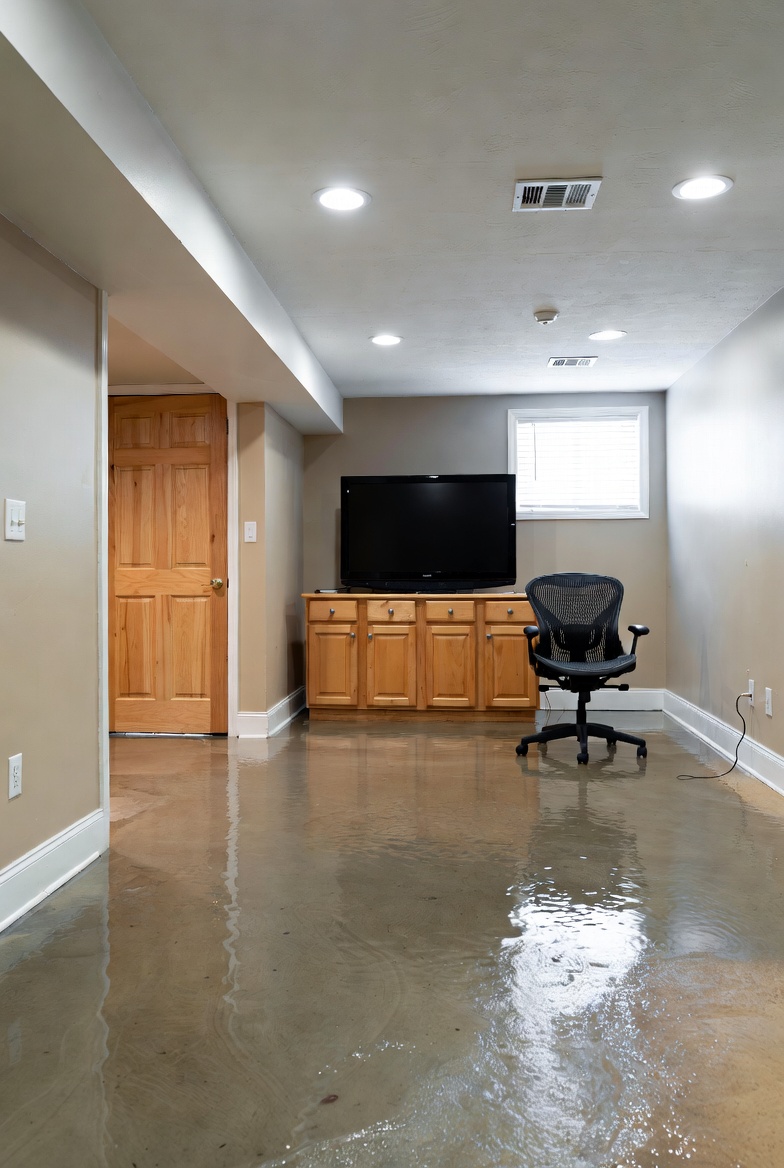
If you see water in the basement while resetting a smart shutoff, stop and assess before trying more resets. Check the device and nearby fittings for small leaks, confirm downstream fixtures are isolated, and briefly bypass the device to see whether the flow is coming from the device itself or from downstream plumbing. Don’t disable the safety device; take measured steps and call a plumber if you can’t isolate the source.
Why This Happens
Smart shutoff devices shut water off automatically and can also trap pressure or water in the line. When you reset or cycle the device the trapped water may be released, or a weak fitting nearby may start to weep. Sometimes the device closes quickly and pushes a slug of water into a downstream fixture or a faulty joint. Small weeps at the device or adjacent fittings are common sources of unexpected leaks.
If you recently worked on pipes or turned water off and on elsewhere, similar failures can look the same — for more background on those situations see flooding after turning water back on and flooding after plumbing repair.
Step-by-Step What to Do
1. Stop resetting the device and prioritize safety
- Leave the shutoff in its tripped position if possible so you don’t create more flow while you inspect.
- If water is pooling, move valuables and stand clear of electrical panels or outlets.
2. Inspect the shutoff and adjacent fittings for weeps
- Look for dripping, moisture, or white mineral deposits at joints, the valve body, and nearby connectors. Weeps can be tiny and easy to miss.
- Feel around with a dry paper towel to detect slow leaks.
3. Confirm downstream fixtures are isolated
- Check toilets, sinks, appliances (dishwasher, washer), and any hose bibs. Make sure they are turned off and not filling or leaking when the device trips.
- If a particular fixture fills when the device is reset, that points to trapped water or a failed fixture valve rather than a failed smart shutoff.
4. Bypass the device briefly to test the source
- If your smart shutoff has a factory bypass or manual lever, follow the manufacturer’s safe instructions to open that bypass briefly while watching for flow or leaks.
- If there’s an upstream manual shutoff (main valve), you can use it to isolate the device and then open a downstream faucet to relieve trapped water. Only do this if you can operate the shutoffs safely and they are accessible.
- Observe whether flow stops when the device is bypassed. If flow stops, the device or its immediate fittings are likely the problem. If flow continues, the source is downstream.
5. Contain and document what you find
- Collect water with buckets or towels and use a shop vac if necessary to limit damage to floors and walls.
- Take photos of any leaking points and note whether leaks come from the valve body, fittings, or downstream fixtures. This helps a pro diagnose the cause.
What Not to Do
- Do not permanently disable a safety device just to stop nuisance trips. That removes protection against real leaks and can cause much larger floods.
- Do not forcefully open or disassemble the smart valve unless the manufacturer’s instructions explicitly allow it for homeowners.
- Do not ignore repeated trips or signs that water was released from the valve body itself — these are signs you should not try to fix alone.
- Do not continue troubleshooting if you can’t find a clean isolation point; stop and call for help.
When to Call a Professional
- If the smart shutoff trips repeatedly after you reset it — this often indicates a persistent leak or failed valve component.
- If you see water released from the valve body or its connections rather than just downstream fixtures.
- If you cannot find a reliable upstream isolation point to safely test or stop flow.
- If basement flooding is significant, spreading to finished areas, or involves electrical risks.
Safety Notes
- Turn off electrical power to the affected area if water is near outlets or the panel, but only if it’s safe to do so dry-footed and without standing in water.
- Wear gloves and eye protection when handling wet insulation or contaminated water.
- Avoid working on pressurized lines if you are not comfortable — shutting the main water off and calling a plumber is the safer choice.
Common Homeowner Questions
- Why did the device suddenly release water? Trapped water or a rapid valve movement can push water into downstream plumbing or a weak joint, causing a release when the device cycles.
- Can I reset the device safely? Only if you have isolated downstream fixtures and confirmed no visible leaks; otherwise leave it tripped and investigate or call a pro.
- Will my insurance cover this? Coverage varies; document damage and contact your insurer promptly after stopping the leak.
More in this topic
For more related fixes and similar symptoms, see Intermittent Basement Flooding Events.