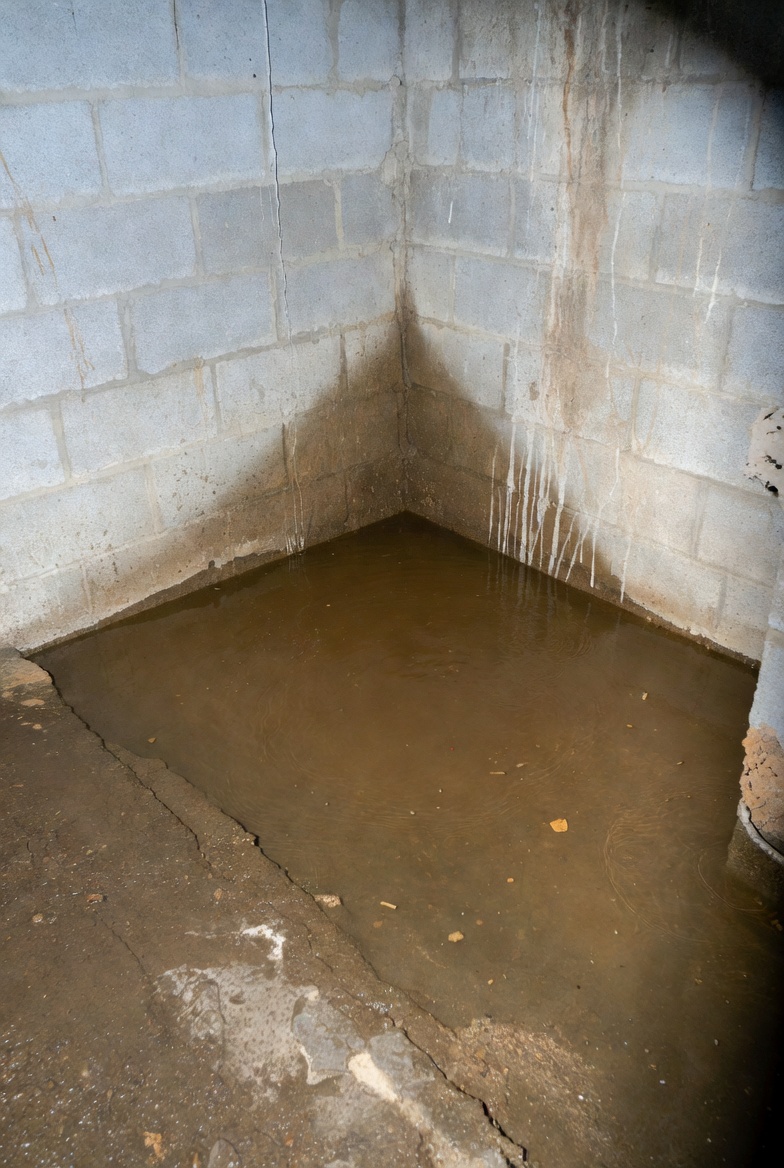
Quick Answer:
Stop using water immediately, open the main cleanout to relieve pressure and check flow, and document what you find. If backups increase or sewage shows up at fixtures after a cleaning service, do not keep flushing or try repeated emergency snaking yourself — contact the service provider right away and request a camera inspection or repair estimate.
Why This Happens
When a technician cleans a line, equipment and force can shift seals, couplings, or loose sections. A few common causes are:
- Dislodged joints or missing coupling hardware left loose after a mechanical cleanout.
- Torn or pinched cleanout gaskets that no longer seal under pressure.
- A pre-existing crack or fracture that was pushed open or moved during cleaning.
- Debris knocked into a weak section, creating a new blockage downstream.
These problems often reveal themselves when multiple fixtures back up at once during testing — especially if the timing aligns with the crew’s work in a particular area.
Step-by-Step What to Do
1. Stop all water use and open the main cleanout
- Do not run faucets, flush toilets, or start appliances. Stopping flow reduces pressure and further discharge.
- Open the main cleanout cap slowly to relieve pressure and observe how sewage or water exits. Do this wearing gloves and boots; place absorbent material or a shallow bucket to contain overflow.
- Note whether water spits out under pressure, trickles, or flows freely back into the pipe — these clues tell a plumber how the line is behaving.
2. Localize the problem by timing and location
- Make a simple log: which fixtures back up, when you tested them, and whether crews had been working near that section of your plumbing.
- If backups occur only after the crew tested a specific area (for example, basement floor drains or a lateral near the street), that points to service-related disturbance in that section.
3. Inspect for visible damage at access points
- At the cleanout and any nearby accessible joints look for torn gaskets, displaced pipe joints, or coupling hardware that’s loose or missing.
- If you see soil or gravel where a coupling used to sit, or a cap that’s been reset without a gasket, note that.
- A quick visual inspection is fine; do not attempt to re-seat or force fittings without a professional toolset.
4. Photograph everything and contact the service provider
- Take clear photos of the cleanout, any visible damage, and the fixtures showing sewage or backup signs. Photos create a record for the contractor and for insurance if needed.
- Call the company that performed the cleaning, describe what you found, and request an immediate camera inspection or written repair estimate.
- Keep records of who you spoke with, the time, and what they promised. If the contractor refuses, mention that you will seek an independent camera inspection.
What Not to Do
- Avoid trying repeated emergency snaking yourself — that can push a fractured section further or dislodge joints.
- Do not keep running water, flushing toilets, or using laundry machines while the problem exists.
- Do not remove or force fittings on the main line; improper handling can make damage worse.
- Call a pro when backups worsen after a cleaning job, sewage appears at fixtures, or the contractor’s patchwork fails; these are signs of service-related damage needing professional remediation.
When to Call a Professional
Contact a licensed plumber immediately if:
- Sewage is visible at any fixture or the cleanout.
- Multiple fixtures back up at once or the situation gets worse after the service team left.
- You find displaced joints, torn gaskets, or missing hardware during your inspection.
- If you suspect the problem behaves like a Backup after main line snaking, request a camera inspection to identify damage and locate repairs.
Safety Notes
- Sewage exposure is a health hazard. Wear nitrile or rubber gloves, waterproof boots, and eye protection when near open cleanouts or backups.
- Avoid electrical contact with wet floors or standing sewage. Shut off breakers to affected areas if you suspect electrical risk.
- Ventilate the area and disinfect surfaces after any contact with wastewater. Use appropriate cleaners and follow label directions.
- If you smell strong sewer gas or suspect a major breach, do not stay in enclosed spaces — evacuate and call the professional service immediately.
Common Homeowner Questions
- Q: How fast should a contractor respond to a report of worse backups after their work?
A: Promptly — within hours for an urgent sewage issue; insist on an on-site assessment or a camera inspection as soon as possible. - Q: Can I document damage myself for a service claim?
A: Yes. Photos, time-stamped notes, and a call log are useful. Avoid further disturbance and request the contractor perform a camera inspection. - Q: Will insurance cover repairs if the cleaning caused damage?
A: It depends on your policy and whether the contractor is liable; keep records and get estimates so you can file a claim if needed.
More in this topic
For more related fixes and similar symptoms, see Post-Snaking Main Line Problems.