Quick Answer:
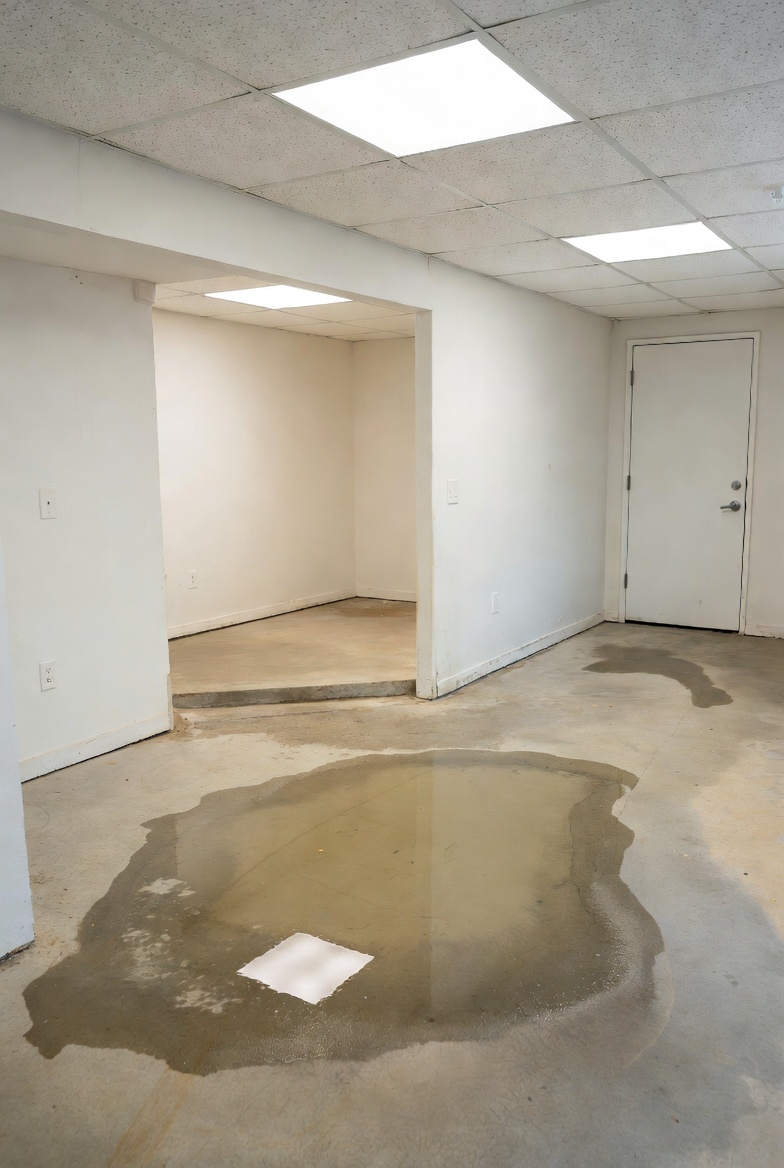
If you notice water collecting in the basement while checking drains after cleaning, first determine whether the water is clean or sewage. Stop using any house water immediately if you see sewage. Then open the basement cleanout while someone runs a fixture upstairs to see if waste discharges there. Check backwater valves and the sump to rule out a mechanical problem. If water keeps rising or sewage is present, document levels and call a professional for a camera inspection and possible excavation.
Why This Happens
Cleaning can dislodge grease, hair, wipes and other debris that sit in traps and the main line. That debris can move, jam a junction, or overload a backwater valve. Agitation during cleaning may also reveal an existing weakness — a cracked or collapsed pipe near the foundation will accept debris and fail under flow. Mechanical devices you touched during cleaning (a backwater valve, sump pump float, or cleanout plug) can be left misaligned or stuck, allowing water to back up into the lowest point: the basement.
If water looks clear, it may be surface runoff or wash water. If it smells like sewage or contains solids, treat it as a sewer backup — stop using fixtures and get help fast. For related problems that start after cleaning, see Standing water after cleaning and Backups worsen after cleaning.
Step-by-Step What to Do
1. Assess the water (clean vs sewage) and stop using water if needed
- Look and smell: clear water is less dangerous; brown/gray water, strong odor, or solids indicate sewage.
- If sewage is present, immediately stop running any taps, toilets, washing machines, or dishwashers. Turn off appliances that use water.
2. Open the basement cleanout and observe while fixtures run upstairs
- Locate the cleanout plug (usually a capped pipe on the floor or wall near the foundation). Carefully loosen and remove the cap — wear gloves and eye protection.
- With someone upstairs, run a sink or flush a toilet briefly and watch the cleanout. If water discharges from the cleanout when fixtures run, that shows the main line is backing up toward the house.
- If nothing comes out and the cleanout is dry, the issue may be local to the basement drain or a different low point.
3. Check backwater valves and the sump pump
- Inspect any backwater or check valve you have. Make sure the access lid is closed and the valve can move freely; cleaning activities can jam a flap or leave debris trapped.
- Test the sump pump: pour enough water into the sump to raise the float and verify the pump starts and discharges properly. A stuck float, blocked discharge, or tripped breaker can let water accumulate.
- Look for loose or removed plugs or fittings near where you cleaned; something may have been left open.
4. Document levels and conditions
- Take photos or video showing water depth, where it’s entering, and the condition of the water (clear vs sewage) with timestamps.
- Note when you first noticed it, what fixtures were run, and any changes after testing valves or the sump.
5. If water persists, arrange a professional inspection
- If backups continue, water levels rise quickly with normal use, or sewage is present, call a plumber who can run a camera down the main line.
- A camera inspection will show blockages, breaks, crushed pipe, or root intrusion; depending on findings, excavation or targeted repair may be needed.
What Not to Do
- Do not try to pump sewage out yourself without appropriate personal protective equipment (PPE). Sewage contains pathogens and hazardous materials.
- Do not dump sewage or contaminated water down other drains or on the lawn — that spreads contamination and can worsen the problem.
- Do not open electrical panels or touch outlets in standing water. Turn off power to the affected area if safe to do so from a dry breaker location.
- Call a pro when flooding continues, sewage is present, or water levels rise quickly with normal use; those signs indicate a mainline breach, backflow valve failure, or collapsed pipe requiring professional repair.
When to Call a Professional
- Sewage is present in the basement — immediate help recommended.
- Opening the cleanout shows discharge when upstairs fixtures run.
- Water keeps returning after you clear obvious blockages or the sump/backwater checks fail.
- Visible sinkholes, a sudden change in flow, or multiple fixtures backing up at once — these suggest a mainline or foundation pipe problem.
Safety Notes
- Wear gloves, eye protection, and a mask if you must inspect areas with sewage. Avoid direct skin contact.
- Do not stand in water where electricity could be present. If pumped equipment or outlets are wet, shut power off at the breaker before entering the area (only if you can do so from dry ground).
- Contain and minimize foot traffic to avoid tracking contamination through the house. Use disposable boot covers or clean footwear afterward.
- Keep children and pets away from the affected area until it’s cleaned and disinfected by a professional.
Common Homeowner Questions
- Is this an emergency? Yes if sewage is present or water is rising quickly; otherwise treat it as urgent and follow the checklist.
- Can I clear the clog myself? You can try basic checks (cleanout observation, backwater valve and sump tests) but call a pro if the cleanout discharges or the problem persists.
- Will insurance cover repairs? Coverage varies; document damage and contact your insurer to start a claim, but prioritize safety and a pro inspection first.
More in this topic
For more related fixes and similar symptoms, see Post-Snaking Main Line Problems.