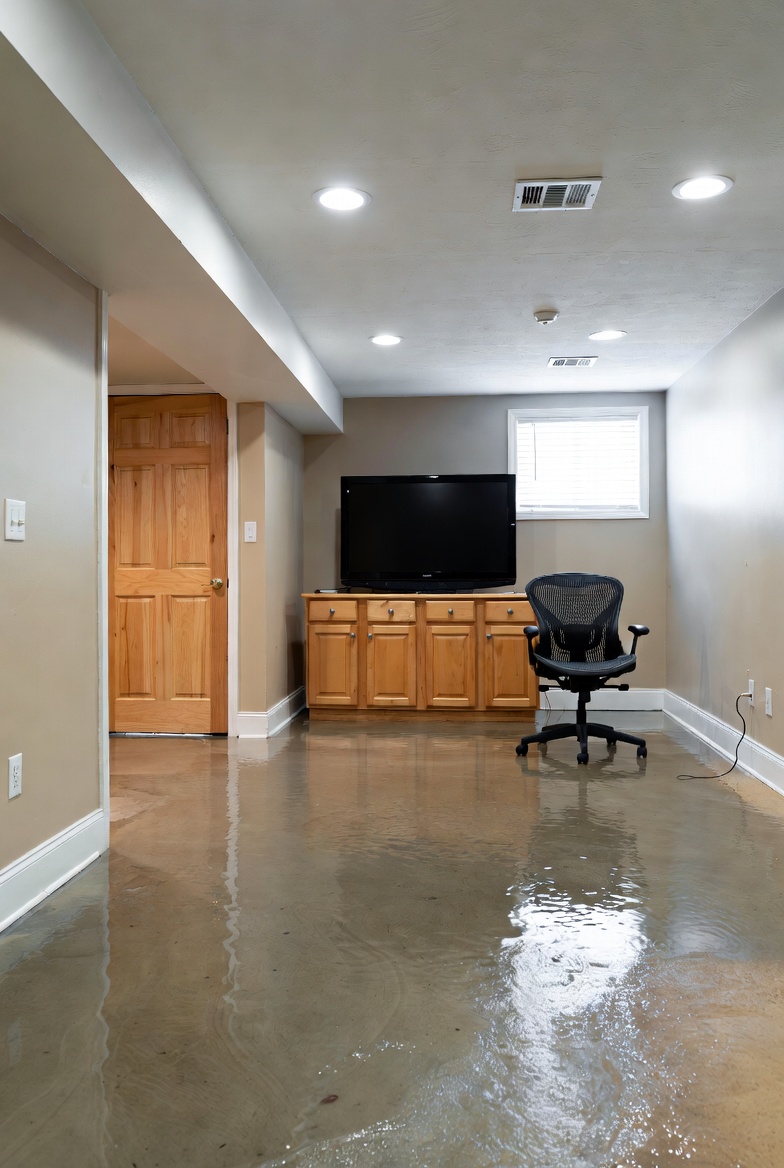
Quick Answer:
If you smell sewage and see backup at a floor drain after boarding up for a storm remnant, first check local emergency advisories and avoid touching or standing in the water. Inspect visible drains and the cleanout from a safe spot, move valuables up and away from water, and report the problem to public works. Once roads and conditions are safe, schedule a professional inspection for property-level damage.
Why This Happens
Heavy runoff and debris from a storm remnant can overwhelm combined sewer or storm systems, causing water and sewage to push back into low points like floor drains and cleanouts. Blocked storm inlets, downed trees, and overloaded municipal lines create pressure that shows up as surcharge at cleanouts and standing sewage inside homes. These conditions are similar to problems reported after other heavy-weather events such as Backup after summer storms and Backup after prolonged rain.
Step-by-Step What to Do
1. Check municipal emergency advisories
- Look for official notices from your town/city public works or emergency management on local radio, TV, or official social channels before doing anything in or around drains.
- Report your problem to the municipal emergency line if you see system failure signs—overflowing manholes, sewage smell across a neighborhood, or posted system warnings.
2. Inspect and document cleanout surcharge and storm inlet debris
- From a safe, dry location, photograph or video the floor drain, sewer cleanout cap, and nearby storm inlets to document surcharge, water level, and visible debris.
- Do not remove large debris from public storm inlets yourself. Note its type and location and include that information when you report the problem to public works.
3. Elevate valuables and avoid power near standing water
- Move electronics, important papers, and furniture to higher ground or onto shelves. Remove rugs and soaked items if safe to do so.
- Turn off electricity to affected areas at the breaker if you can do so safely and it is not wet at the breaker panel. Keep generators and any powered equipment well away from standing water and indoor spaces.
4. Contact public works and schedule a professional inspection once safe
- Call your municipal public works or utilities to report the backup and the documented photos. They can confirm if the problem is in the municipal system or at the street level.
- After authorities say it’s safe to re-enter and hazards are cleared, hire a licensed plumber to inspect property lines, septic systems (if applicable), backflow devices, and foundation drains. Schedule any necessary repairs and ask the plumber to provide a written assessment for insurance and municipal follow-up.
What Not to Do
- Avoid operating gas-powered pumps indoors or trying to clear large debris from public drains yourself; that can be dangerous. Call a pro and municipal services when hurricane-related backups occur or when structural damage is suspected.
- Do not walk through or touch standing sewage. Do not plug in electrical devices near wet areas or run household appliances if wiring may be wet.
- Do not remove or tamper with municipal covers or manholes. Those are the responsibility of trained public works crews.
When to Call a Professional
- If sewage is actively entering living spaces, call an emergency plumber right away.
- If the cleanout is under pressure (spitting water or leaking at the cap) or you smell persistent sewage even after municipal crews respond.
- If you see structural issues—sinking floors, foundation cracks, or large amounts of water inside walls—call both a licensed contractor and a plumber for inspection.
Safety Notes
- Wear protective gloves, boots, and eye protection if you must handle wet items. Wash thoroughly after contact with contaminated water.
- Keep children and pets away from affected areas until cleaned and cleared by professionals.
- Do not enter standing water where downed power lines or appliances are present. Treat all floodwater as contaminated sewage until cleared by authorities.
Common Homeowner Questions
- Will the city fix this? Contact public works; they handle public lines, but a property-level inspection may still be needed.
- Is it safe to stay in the house? If sewage is entering living areas or there are electrical hazards, leave until a professional clears the risk.
- Should I call my insurer now? Yes—notify your insurance company and provide photos; follow their guidance for cleanup and claims.
More in this topic
For more related fixes and similar symptoms, see Basement Drain Backs Up Only After Rain.