Quick Answer:
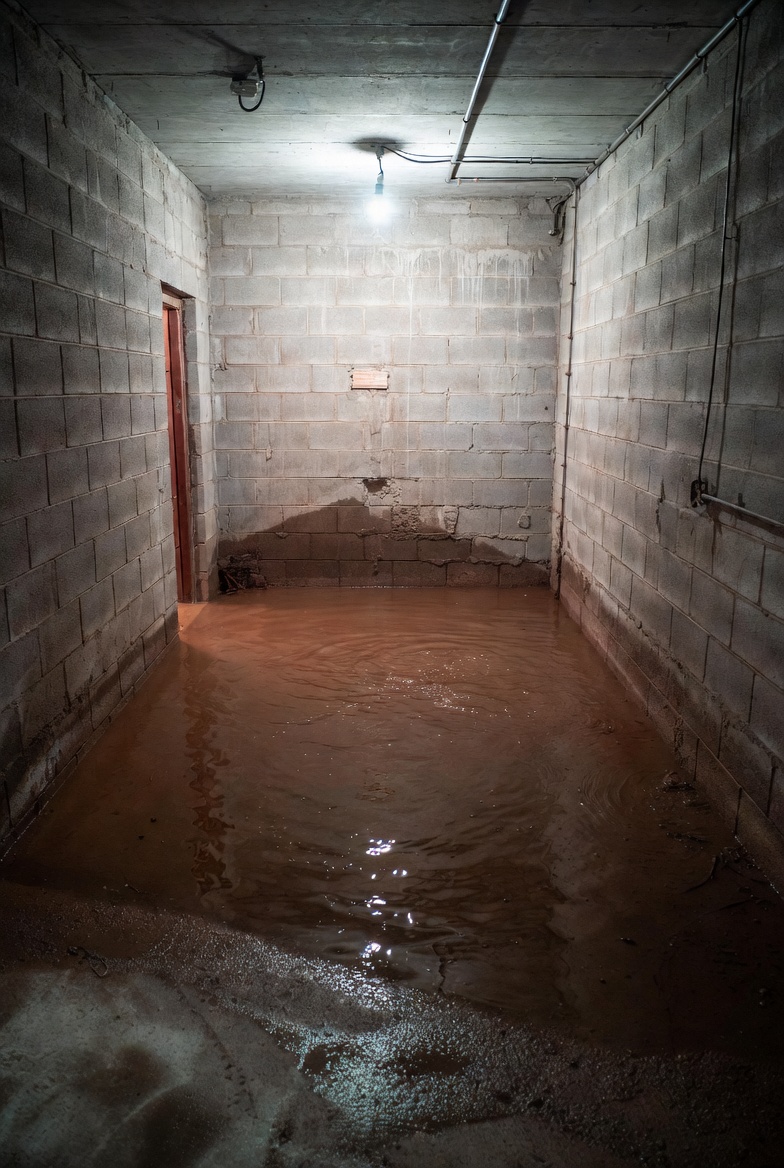
If your basement drain backs up while an appliance runs soon after a summer thunderstorm, it’s possible stormwater is overloading or entering the sanitary line through a damaged lateral or an illegal connection. Stop using water, check exterior access points, look for obvious downspout or yard tie-ins, document what you see, and call a plumber if you find surcharging or if multiple fixtures are affected.
Why This Happens
Heavy summer storms can push large volumes of water into the ground and municipal drains. If a sewer lateral is cracked, collapsed, or there’s an illegal cross-connection (for example a downspout tied into the sanitary pipe), stormwater can enter the sanitary system or cause it to surcharge. That can make fixtures in low spots — like a basement drain — back up quickly after rainfall. Overloaded systems and blocked mains behave similarly, which is why homeowners sometimes see a sudden backup right after a storm. In some cases the problem looks like a simple clog but repeats only when storms hit; that pattern is a strong clue.
Related reading you may find helpful: Drain backs up during heavy rain and Backup after hurricane remnants.
Step-by-Step What to Do
1. Confirm the timing
Note exactly when the appliance ran and when the backup appeared. If the backup happens within minutes to a few hours after the storm or while a sump pump, washing machine, or dishwasher is running, that timing is important to share with a plumber.
2. Stop using water and appliances
Turn off water-using appliances and avoid flushing toilets, running sinks, or using washing machines until you know more. This reduces the amount of sewage or stormwater that can flow into the basement.
3. Open the exterior cleanout to check for surcharging
Locate the external sewer cleanout (usually a capped pipe near the foundation or along the yard). If you can safely open it, look for water or sewage rising toward the cap — that’s called surcharging and it shows the line is under pressure. Do not stand directly over the opening while checking. If you see clear signs of surcharging, stop and call a pro.
4. Inspect the yard for illegal tie-ins or downspouts
Walk the yard after the storm and look for downspouts or yard drainage that flow toward sewer access points, or for recent plumbing work, new pipe trenches, or obvious connections to sanitary cleanouts. Illegal tie-ins and downspouts connected to sanitary lines can dump stormwater into the sanitary system and cause exactly this problem.
5. Document the sequence
Write down times and what you did in order (storm started, appliance ran, backup observed, cleanout checked). If it’s safe, take short video clips with clear timestamps showing the backup, the open cleanout, and any yard tie-ins. Plumbers and municipal inspectors find timestamped videos very helpful when diagnosing intermittent problems.
6. Limit further damage until help arrives
- Contain or remove standing water in the basement with a wet/dry vacuum if it is safe to do so and power to pumps is available.
- Avoid bleeding pipes or opening sewer lines beyond the cleanout.
- Keep occupants and pets away from contaminated water.
What Not to Do
- Do not install temporary hoses into street drains or attempt quick temporary hookups to relocate water; those can violate codes.
- Do not wait to act if backups happen shortly after storms — call a professional promptly. Call a pro when backups occur within hours of summer storms or when multiple fixtures are affected.
- Do not enter manholes, sewers, or confined spaces to inspect them yourself. These areas can contain toxic gases and are dangerous without proper training and equipment.
When to Call a Professional
Contact a licensed plumber or your municipal sewer authority if any of the following are true:
- The exterior cleanout is surcharging or ejecting sewage.
- Multiple fixtures back up at the same time or the backup occurs repeatedly after storms.
- You see clear signs of illegal tie-ins on your property or major pooling of stormwater near sewer access points.
- There is sewage in living spaces or the event is causing property damage.
A plumber can perform a camera inspection of your lateral, test for inflow connections, and advise whether the issue is your responsibility or needs municipal involvement.
Safety Notes
- Wear gloves and eye protection if you must handle contaminated water. Wash hands and clothing afterward.
- Never use open flames or generate sparks near sewer openings; combustible gases can be present.
- Avoid standing directly over an open cleanout; hazardous gases can collect in low spots.
- If you suspect a collapsed line or sewage flowing into the home, evacuate the area and call a professional.
Common Homeowner Questions
- How can I tell if stormwater is entering my sanitary system? Quick signs are backups that happen only during or right after heavy rain, surcharging at the exterior cleanout, and unusually clear water with storm debris in the sanitary line.
- Can I fix this myself? You can stop using water, open the exterior cleanout to look, and document what’s happening, but repairs and camera inspections should be done by a licensed plumber.
- Will my city repair a damaged lateral? Responsibility varies; document the problem and notify your municipality. Some repairs are homeowner responsibility, others involve the city depending on where the line failure is located.
More in this topic
For more related fixes and similar symptoms, see Basement Drain Backs Up Only After Rain.