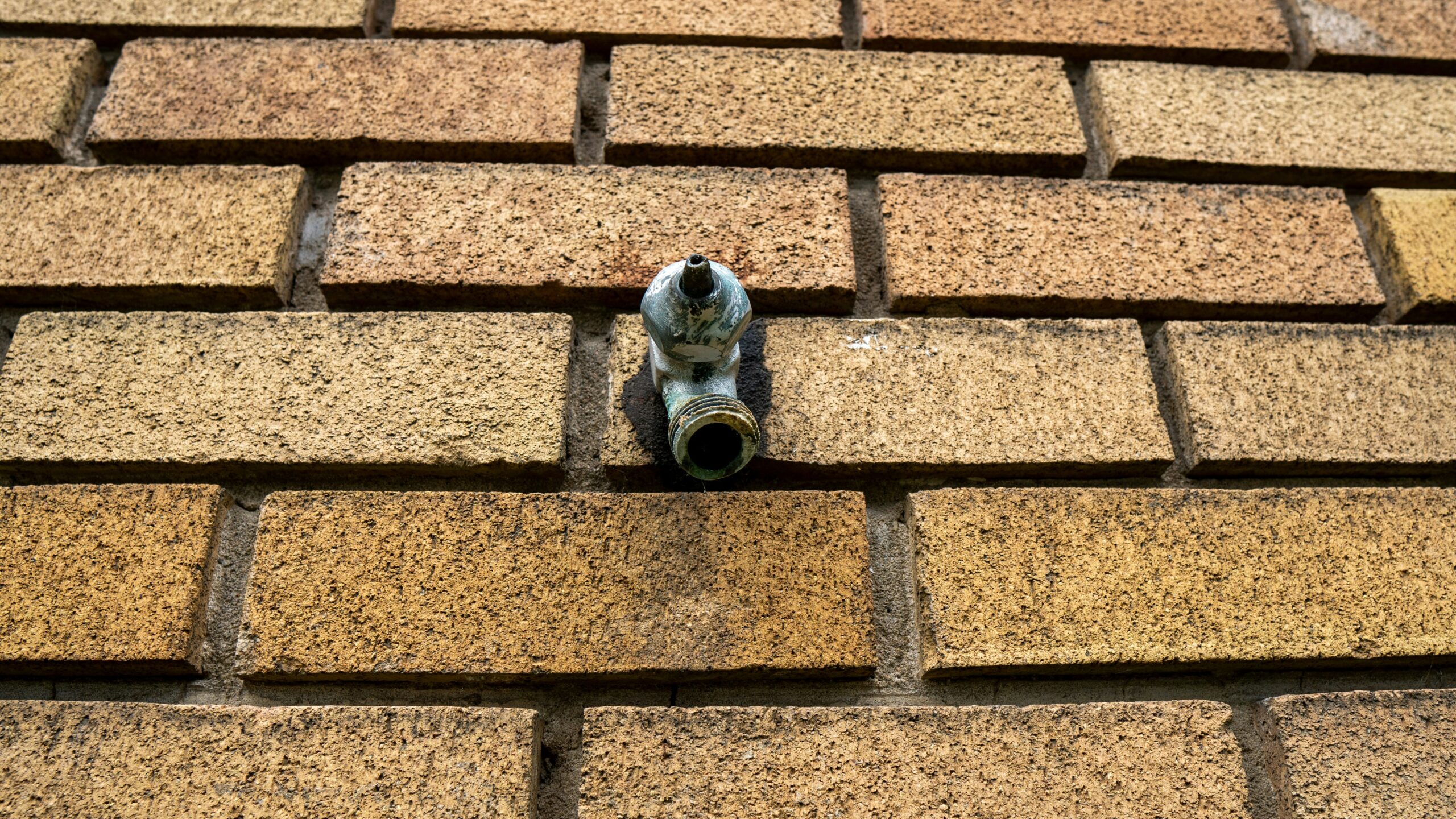
Milky startup water may contain tiny air bubbles. Bottom-up clearing in a still sample can support that explanation, but it does not establish that every contaminant is absent or clear the water for drinking, pets or edible plants.
Keep away from wet electrical equipment. Do not touch wet appliances, plugs or switches, or enter water to reach a breaker. When no gas leak is suspected, power may be isolated only from a safely accessible dry location; otherwise call an electrician or emergency help. Wet equipment needs qualified assessment before it is used again.
Start with source and use advice
For a new, unexplained water-quality change: do not deliberately taste the water. Use bottled water or another known-safe supply for drinking, food preparation, teeth brushing and ice while you contact the supplier. Follow the actual local notice for other uses. Boiling does not make chemically contaminated water safe, and clear appearance or a fading odor does not certify safety.
Check actual supplier notices or contact the supplier for a new unexplained change. For a private well, seek appropriate health-authority or well-professional advice. You can ask about one affected outlet without first running several others. A known routine air event in an otherwise established safe supply is different from unexplained cloudiness after contamination or loss of pressure.
What a sample can show
Where sampling is appropriate and safe, a clean clear container held still may show bubbles rising and water clearing from below. There is no universal one-to-two-minute threshold. Persistent particles, color or odor need a different investigation, and a clear sample still cannot exclude unrelated invisible contaminants. Do not deliberately taste it or inhale an unknown odor.
Avoid a default purge
Do not run full flow for a prescribed minute or two to declare a cure or promise recurrence will stop. Follow source-specific restoration or flushing instructions only with known accepting discharge capacity, safe water-use conditions and attendance. A brief successful run does not establish why air returned.
Attachments and service
For an owner-removable hose or splitter, close its supply and release trapped hose-side pressure through the intended outlet into a suitable receiving area. A closed nozzle, check valve or attachment can retain pressure separately. Do not loosen a coupling to vent it, twist the faucet in the wall, or remove required backflow protection. Support the fitting and follow its actual instructions; stop for a seized connection or uncertain pressure.
Record hose, filter and breaker identity. Remove only intended owner-removable attachments under their actual procedure, retaining required protection. An attachment can change flow or aeration but an improved sample after several changes does not prove which component caused it. Internal valve service needs verified effective isolation, actual segment relief, compatible parts and fully secured refit before restoration.
Related symptoms remain separate
Warm-day-only flow and screeching are different observations; their guides are referrals when those symptoms actually occurred, not explanations proved by a cloudy jar. Choose water use from the actual source/advisory assessment, including any restrictions on edible-plant irrigation. Boiling is not a universal remedy for unknown chemical contamination.
Related situations
- Outdoor Spigot Only Works on Warm Days
- Outdoor Spigot Makes Screeching Noise
- White Particles, Cloudy Water, or “Milky” Water