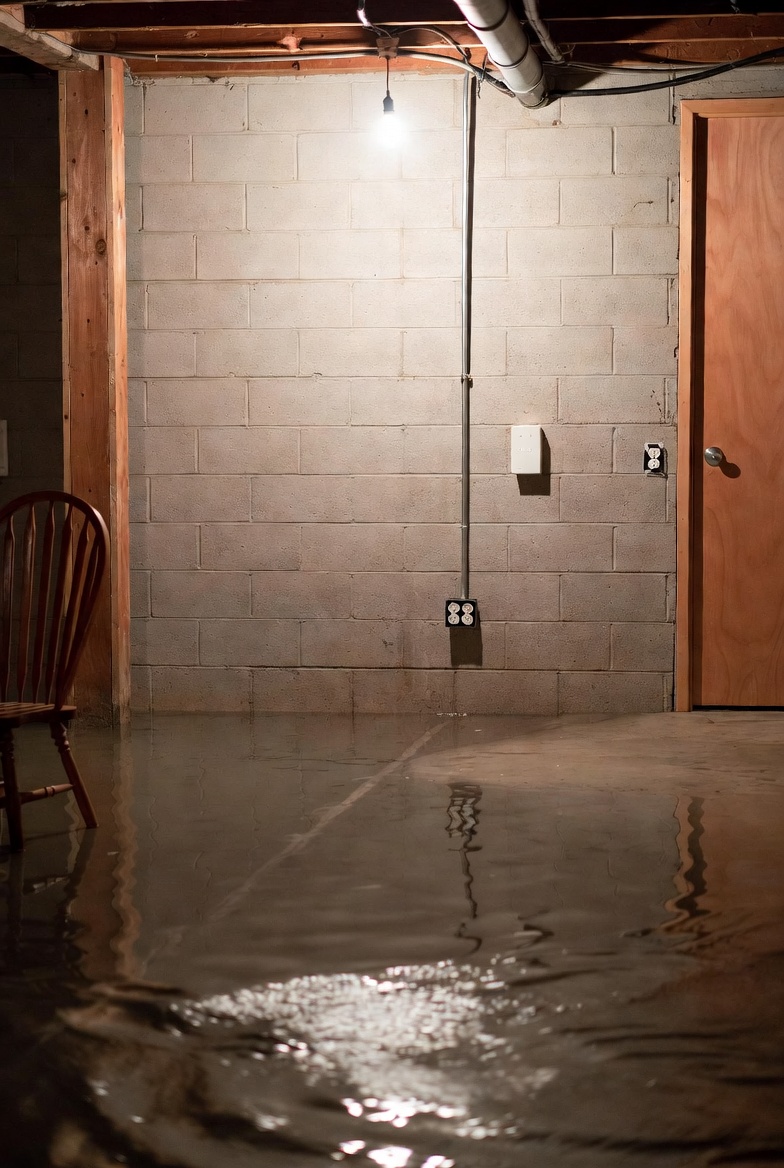
Quick Answer:
If water backed up right after you changed a whole-house filter cartridge, first stop using affected fixtures and check the isolation valves and new fittings. Follow the checklist below to rule out simple causes—if the backup began immediately after the work or you find leaking joints under pressure, leave the system isolated and call a professional for pressure- and leak-testing.
Why This Happens
After replacing a filter cartridge you may have introduced a new shutoff or added fittings. Common causes of a backup include a closed or partially closed isolation valve, a misaligned or cross-threaded fitting, trapped sediment in the housing or an obstructed outlet. Sometimes a bypass was left closed or not installed the way you expected. If the problem began right after the job, the repair work is the most likely trigger.
For related troubleshooting steps on similar jobs, see the peer articles Backup after filter install and Backup after plumbing repair. Also useful background: the cluster hub topic Basement Floor Drain Backups covers backups from floor drains and shared drains in basements.
Step-by-Step What to Do
1. Stop and isolate
- Shut off any nearby fixtures and stop using washing machines, toilets or outside spigots that feed the same line.
- If your filter has isolation valves, make sure they are fully open for normal flow or fully closed if you need to isolate the filter for safety.
2. Check isolation valves introduced during the install
- Look for valves you may have added or operated while changing the cartridge. A valve left partly closed will reduce flow and look like a backup.
- Open the valve fully and feel the pipe downstream to confirm flow returns before proceeding.
3. Inspect fittings and alignment
- Visually check new fittings for cross-threading, visible gaps, or misalignment. Plastic fittings can strip easily—look for uneven gaps or stress marks.
- Tighten gently by hand or with the correct tool; avoid sudden high torque.
4. Bypass the filter briefly if your install allows it
- If your system has a built-in bypass or you installed a temporary bypass, open it briefly to see whether normal flow returns. This isolates the filter as the cause.
- Only do this if the bypass is designed for your system and you can do it without creating a leak or exposing the system to backflow.
5. Remove sediment and check the housing
- Turn off the water to the filter, depressurize using the pressure-relief button or drain port, then remove the housing and cartridge.
- Clear any sediment from the housing and check the outlet connection and o-rings for damage or misplacement.
- Reassemble carefully, pressurize slowly, and watch for leaks or reduced flow.
6. If the backup started immediately after the work
- Leave the system isolated. Do not pressurize or attempt multiple forceful fixes.
- Call a licensed plumber for pressure- and leak-testing—this prevents hidden damage from worsening.
What Not to Do
- Avoid overtightening threaded plastic fittings or forcing mismatched piping—this can crack housings and create leaks.
- Do not pressurize a system when you see active leaks at joints or fittings; that can make small leaks much worse.
- Call a pro when backups begin right after filter installation, when you can’t locate the bypass, or when pipe joints leak under pressure.
When to Call a Professional
- If the backup started immediately after you worked on the filter, leave the system isolated and call a licensed plumber.
- Call a pro if you can’t find a bypass or the bypass doesn’t restore flow, or if you see leaking under pressure at pipe joints.
- Also call a pro for pressure testing, if you suspect cross-threading inside a fitting, or if plastic parts show cracking.
Safety Notes
- Always depressurize the filter housing before opening it. Use the relief button or shut off and drain the line.
- Wear eye protection and gloves when handling filter cartridges and sediment.
- If you smell gas or suspect a sewer gas issue with a backup, vacate the area and call professionals immediately.
Common Homeowner Questions
- Q: Can I just tighten the fitting to stop the backup?
A: Only if a minor leak is visible; tighten gently—overtightening can cause more damage. - Q: Is it OK to bypass the filter permanently?
A: No—temporary bypassing for troubleshooting is fine, but permanent bypassing removes filtration benefits and may violate local rules. - Q: How fast do I need a plumber if the backup began after the install?
A: Promptly—leave the system isolated and get a plumber for pressure- and leak-testing to prevent water damage.