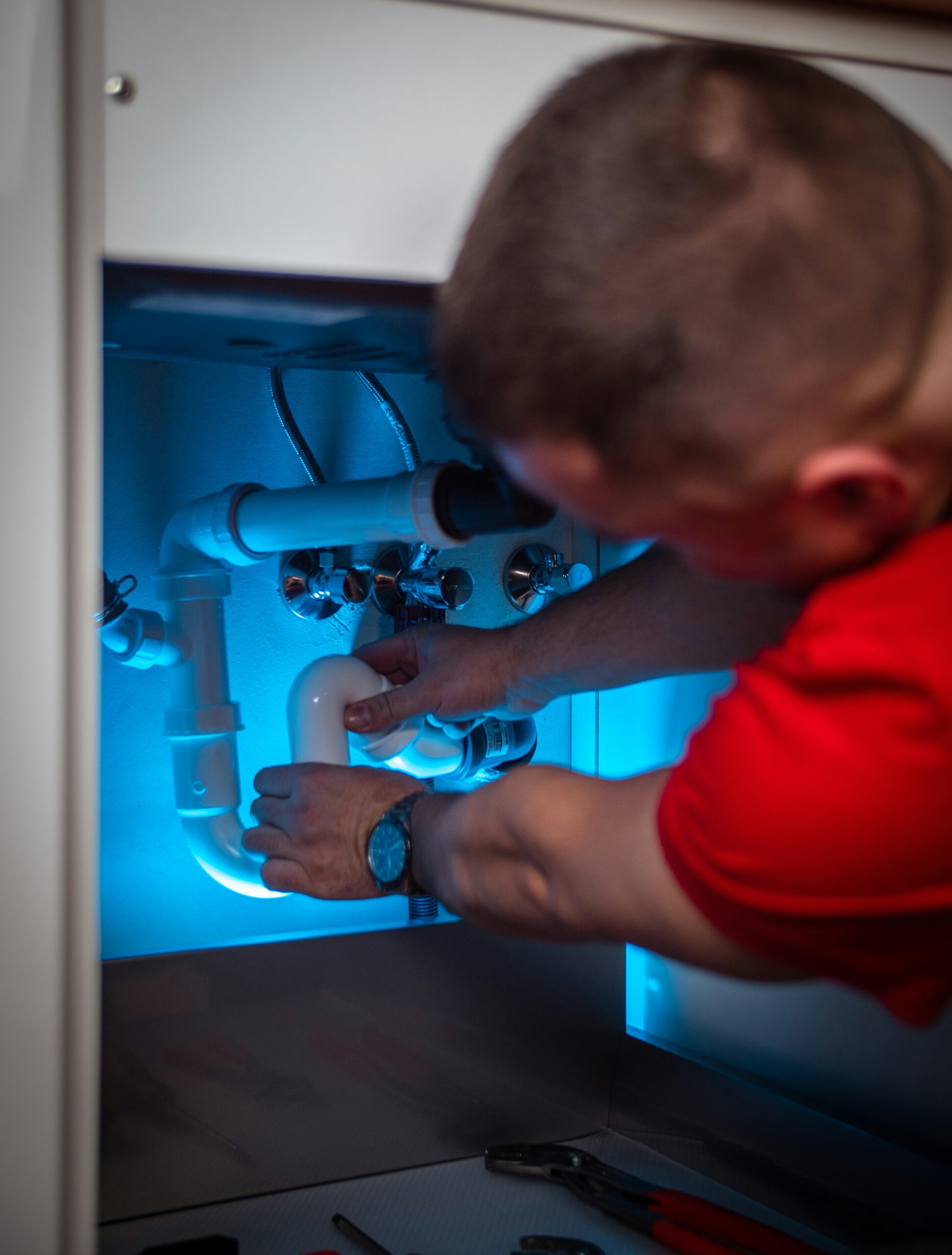
Overflow after a plumbing repair needs the work record and actual water origin. Stop the event first. Timing can justify contacting the installer promptly, but does not prove dropped construction debris, a shifted fitting or who caused the problem.
Stop the overflow before investigating
Do not flush again while the bowl is high or the cause is unresolved. If fresh water continues entering, close an identified safely accessible toilet supply stop by its actual operating method; do not force a seized or unknown valve. It limits fresh feed but cannot block wastewater coming back from a sewer. Stop household discharge during a shared backup and keep connected appliances from discharging using safe dry controls when no gas emergency is suspected. Do not enter water to reach controls; a cancel command can drain some appliances. Obtain prompt help for uncontrolled water, sewage outside a fixture or several affected fixtures.
For strong, widespread or unexplained gas-like fumes, exposure symptoms, or suspected high sewer-gas concentrations in an enclosed space, leave the building immediately and call the fire department or emergency services from outside. Avoid flames, switches and other ignition sources; do not remain to ventilate, sniff drains or investigate. Smell intensity does not measure the concentration. A faint localized drain odor without those warning signs calls for a different plumbing investigation; it does not automatically establish a fuel-gas leak.
If fuel gas is suspected, leave the building or affected area immediately. Do not operate valves, switches, plugs, appliances or phones there. Call the gas emergency service from a safe location well away, and wait for responders’ clearance.
Keep away from wet electrical equipment. Do not touch wet appliances, plugs or switches, or enter water to reach a breaker. When no gas leak is suspected, power may be isolated only from a safely accessible dry location; otherwise call an electrician or emergency help. Wet equipment needs qualified assessment before it is used again.
Keep the repair scope and first-event evidence
- What was serviced: supply, tank parts, toilet installation, a drain, a vent or another fixture? Keep the invoice and photos already available.
- Did water rise over the bowl rim, leak at the base/tank/supply, or return at a lower drain? Record the original sequence without another flush.
- Keep any missing-object history, products used and other symptoms already observed. Do not look for them by opening a cleanout.
Choose the next action from the actual condition
- Ask the installer to assess the changed assembly and actual receiving path. A conventional tank’s fill or flush parts may need a model-specific check if they were disturbed; that is different from assuming every toilet has an accessible flapper. Do not tighten a live leak or remove a heavy toilet to see what moved.
- Do not use a plunger on every toilet and sink as a diagnosis of construction debris. Ordinary isolated-clog care has the limits below; suspected hard material, shared return, damage or uncertain access needs suitable service. Do not push visible construction material into the drain.
- A camera can document some accessible pipe conditions, but standing water can hide the cause. Ask what the view actually shows, where the defect is and which parts remain unseen. Obtain the service/inspection record; an immediate camera or same-day cure is not guaranteed. Timing alone does not establish contractor liability.
Match the toilet type to the observation
A gravity toilet releases water stored in its tank; supply pressure affects refill and can affect faulty fill components, but does not directly set every flush’s force. Pressure-assisted, direct-feed and powered fixtures have different requirements. Identify the actual model and whether water escaped at the bowl rim, tank, supply connection or base. A base leak and normal water passing the trap weir are different from bowl-rim overflow. Do not open a pressure vessel, cut an overflow tube or apply a generic flapper adjustment to every toilet.
Keep the receiver and product history safe
Keep cleanout caps closed. Do not loosen one to see whether the line is full or to relieve unknown wastewater head. Gloves, goggles, a mask or slow cap movement do not contain the release. Stay off roofs and out of pits, tanks and manholes. An ordinary cosmetic access panel is different from a sealed drain opening; view existing accessible work only from safe dry access, without dismantling a plumbing boundary or disturbing suspect material.
If a drain chemical may remain, identify the exact product and follow its label. Do not add another cleaner, acid, bleach, ammonia, vinegar or a neutralizer. Do not plunge, cable or open the drain while hazardous residue may remain; tell the provider what was used. A rinse, fading smell or elapsed time does not establish clearance. Keep children and pets away from wastewater. Control source and electrical hazards before cleanup, and use appropriate restoration help for sewage or significant/inaccessible contamination.
When ordinary local care can fit
For a genuinely isolated ordinary toilet obstruction, with no hazardous chemicals, shared return, damaged fixture, hard object or emergency hazard, a suitable toilet plunger may be used when the bowl has room without spilling. Follow the tool’s seal instructions and use controlled gentle pulses with suitable gloves and eye protection. Stop for leakage, movement, resistance or no improvement; do not force a suspected toy deeper or switch automatically to a cable. A dropping level alone does not prove clearance. After actual correction, any attended functional check needs suitable receiving capacity and the model’s procedure; stop for renewed rise. The linked sudden-flood guide gives the bounded single-toilet option.
Does overflow immediately after work prove the repair caused it?
No. Preserve the sequence and ask for inspection of the relevant changed parts and drainage route. Address an active unsafe condition promptly while keeping factual records; this article does not decide a payment dispute or guarantee a repair time.
Related situations
Sources and equipment limits
- Wisconsin DHS: Sewer Gas
- Con Edison: suspected gas leaks
- CDC: electrical hazards near water
- Madison Metropolitan Sewerage District: handling sewer backups
- Drano Liquid Drain Cleaner: actual product precautions
- Korky: stopping a toilet-bowl overflow
- EPA WaterSense: tank, pressure-assisted and direct-feed toilet modes
- Seattle Public Utilities: service choices and camera limitations
- Korky: toilet-plunger fit and controlled pulses
Manufacturer examples do not identify your installed fixture or authorize its service. Use the actual model instructions and local requirements. Independent professional review and field testing have not been obtained.