Quick Answer:
If water that ran from the dishwasher now backs up into the sink after you reconnected the drain hose, the hose is likely routed too low or missing a required high loop or air gap. The quick fix is to restore an air gap or high loop and secure the hose so it can’t sag down into the cabinet. After that, run a short cycle to confirm the backup stops.
Why This Happens
Dishwashers rely on the drain hose being placed above the sink drain level so waste water flows downhill to the house drain and doesn’t fall back into the sink. If the hose dips below the connection point or lies flat on the cabinet floor, sink water or disposal water can flow into the dishwasher or back out into the sink. That creates the type of problem homeowners describe as Dirty water backing into sink.
Step-by-Step What to Do
1. Turn off power and clear the area
- Switch off the dishwasher at the breaker or unplug it, and remove any items from under the sink and the dishwasher access panel so you can work safely.
- Have towels or a small bucket handy for drips.
2. Inspect how the hose is routed
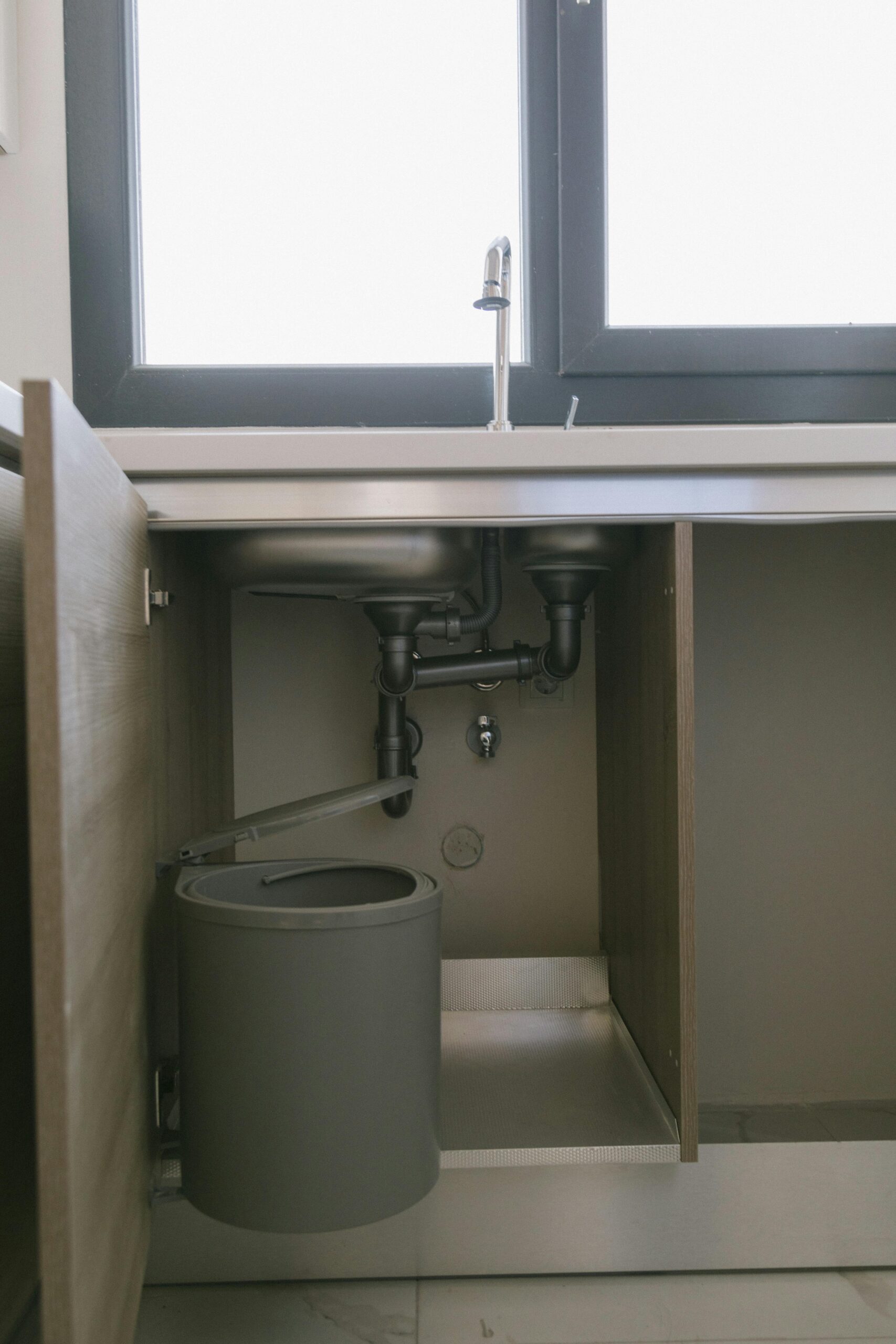
- Follow the hose from the dishwasher to where it connects to the garbage disposal or drain. Look for low points or places where it rests on the cabinet floor.
- Check that the hose goes up under the countertop or to an air gap device.
3. Restore the high loop or install/repair an air gap
- Raise the hose so it makes a high loop directly beneath the countertop—ideally as high as the underside of the sink. Alternatively, reinstall an air gap (the small device on the sink or countertop) if your plumbing requires one.
- Restore an air gap or high loop and secure the hose so it can’t sag down into the cabinet.
4. Secure the hose so it won’t sag
- Use hose clamps, zip ties, or a small mounting bracket to fasten the hose to the underside of the countertop or the cabinet wall so the loop stays high.
- Make sure the hose has a smooth curve, not a sharp kink, and that connections are snug at both dishwasher and drain/disposal ends.
5. Test the repair
- Restore power, run a short rinse cycle, and watch the sink and cabinet area for leaks or backflow.
- If the backup only happens on long cycles or heavy loads, see the note on timing and capacity below and check the **Backup only when dishwasher runs long** guidance.
What Not to Do
- Do not leave the hose lying on the cabinet floor; secure the loop/air gap so it can’t sag.
- Do not force the hose into a sharp bend to make it fit—this can restrict flow and cause clogs.
- Do not ignore a damaged hose. If it is cracked or soft, replace it rather than patching temporarily.
When to Call a Professional
Call a plumber if:
- You can’t create a secure high loop or the existing air gap is broken.
- The dishwasher continues to back up after proper routing and securing of the hose.
- There are persistent leaks, signs of sewer smell, or the disposal drain connection looks damaged or incorrectly installed.
Safety Notes
- Always disconnect power to the dishwasher before working beneath it. Unplugging at the outlet may not be enough—use the breaker when in doubt.
- Avoid working near sharp cabinet edges and metal fasteners; wear gloves and eye protection if you expect splashing or debris.
- If you need to remove or alter the garbage disposal connection, follow the disposal manufacturer’s safety instructions or hire a plumber—dispose of water and food waste beforehand to minimize mess.
Common Homeowner Questions
- Why does this only happen sometimes? — If the hose is marginally low, heavier loads or longer cycles push more water into the hose and trigger backup; see the **Backup only when dishwasher runs long** note.
- Can I just shorten the hose? — Shortening is possible but not usually necessary; securing a proper high loop or installing an air gap is safer and preserves serviceability.
- Is an air gap required? — Local codes vary; many installations use either an air gap or an approved high loop. Check local requirements or ask a plumber if unsure.
FAQ
- My hose is already looped high but I still get backup—what next? — Check for clogs at the disposal or drain and confirm the hose isn’t kinked; if clear, call a plumber.
- Can I use any zip tie to secure the hose? — Use sturdy, weather-resistant ties or clamps and avoid overtightening that could pinch the hose.
- Will replacing the hose solve the problem? — Only if the hose is damaged. Most backups are caused by routing issues (low loop) or a missing air gap, not the hose material itself.
For more related articles, see the Dishwasher Water Backing into Kitchen Sink hub.