Quick Answer:
If the sink backs up only when both appliances run, the shared drain is likely being overwhelmed or is partially blocked. Test each appliance separately to see which one is causing the issue, then try simple clearing steps or call a plumber if it keeps happening.
Why This Happens
Dishwashers and garbage disposals often share the same drain line. When both push water into that line at once, the flow can exceed what the pipe or a partial clog can handle. Common causes:
- Partial clog in the sink drain, P-trap, or main line slowing flow.
- Disposal not grinding well, so large pieces reduce capacity.
- Dishwasher pump pushing water faster than the drain can accept during its drain cycle.
- Poor installation or a low drain loop/air gap that lets water back up into the sink.
If this problem started after recent work, check situations like a Backup after plumbing repair. If the disposal seems slower than normal, see Backup occurs when disposal slows.
Step-by-Step What to Do
1. Run the dishwasher alone
- Start a normal wash and watch the sink while it drains. Note whether the sink fills or drains normally.
- If the dishwasher alone backs up into the sink, the problem is with the dishwasher drain hose, its connection, or a clog further down the line.
2. Run the disposal alone
- Run cold water and switch the disposal on for 15–30 seconds. Watch the sink and the drain under the sink for leaks.
- If the sink fills when only the disposal runs, the disposal or the immediate drain under the sink is likely restricted.
3. Compare the results
- If neither appliance causes backup alone but the sink fills when both run, the drain can’t handle the combined flow and likely has a partial clog or undersized pipe.
- If one appliance alone causes the issue, focus your troubleshooting on that unit’s hose, filter, or connection to the sink drain.
4. Try basic clearing steps
- Use a plunger on the sink (block the other basin if you have a double sink) and plunge firmly several times.
- Check and clean the sink strainer and the area under the disposal where food tends to collect. Always ensure power is off to the disposal before reaching in.
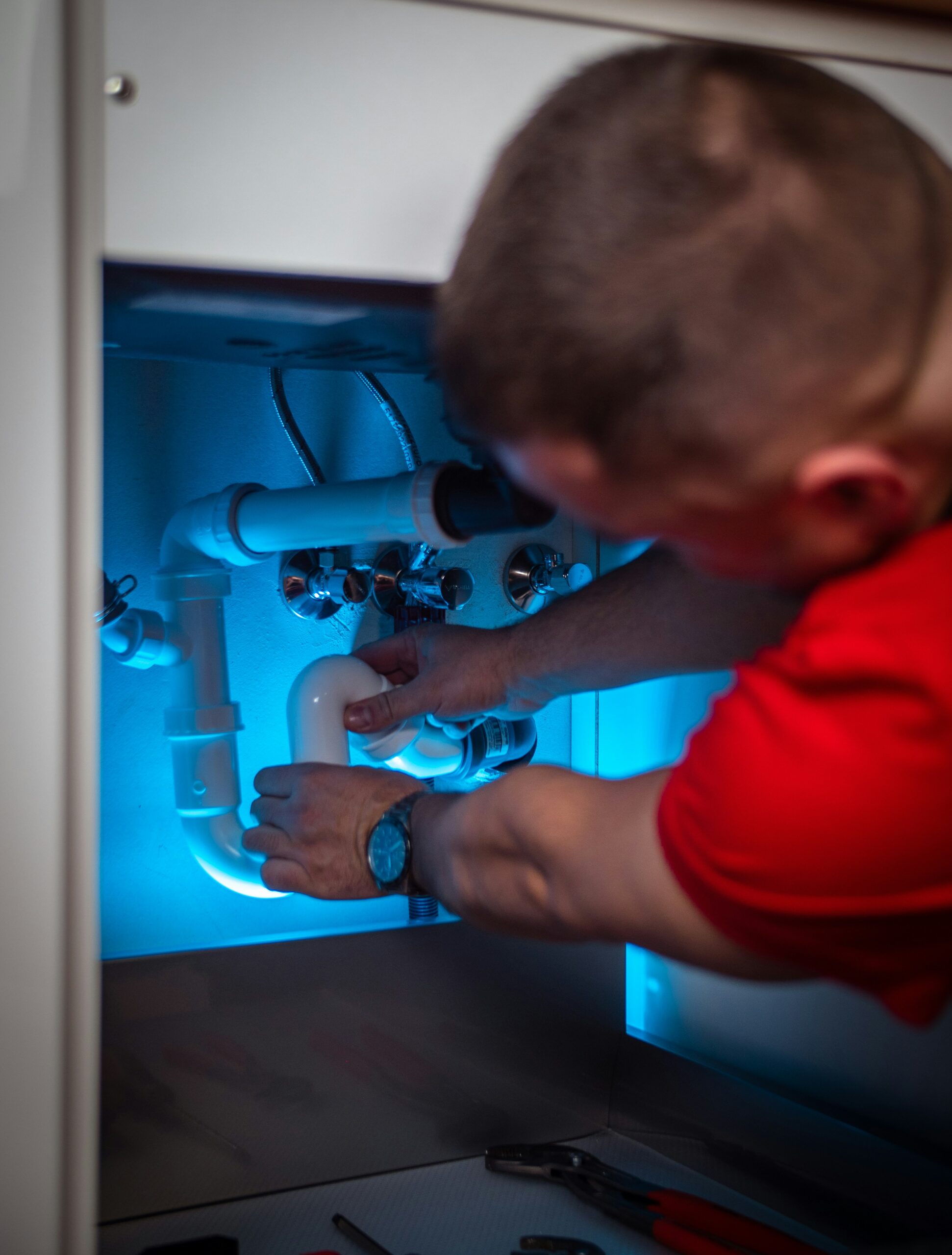
- Remove and inspect the P-trap for visible clogs (place a bucket beneath to catch water). If you’re comfortable doing this, drain and clean the trap; otherwise call a pro.
5. Test again
- Run dishwasher alone, then disposal alone, then both together to confirm whether the issue is resolved.
- If the problem continues when both run, avoid running both until it’s fixed (see “What Not to Do”).
What Not to Do
- Do not repeatedly run both appliances together if backups occur — that can push water and debris into other parts of your plumbing and make the problem worse.
- Do not stick your hand into the disposal or try to free a jam while it has power. Always disconnect power first.
- Avoid pouring harsh chemical drain cleaners into a disposal; they can damage the unit and plumbing and are often ineffective on solid debris.
When to Call a Professional
- Frequent backups even after plunging and cleaning the P-trap.
- Sewage smell, multiple fixtures backing up, or slow drains throughout the house — signs of a main line clog or sewer issue.
- Visible leaks under the sink, damaged pipes, or if you’re uncomfortable removing the trap or working around the disposal.
- After a repair or installation if backups start afterward and simple checks don’t fix it.
Safety Notes
- Always turn off and unplug the garbage disposal or switch off its breaker before putting hands or tools into it.
- Use gloves and eye protection when working under the sink. Place a bucket under the P-trap to catch water.
- If you smell gas, see sewage, or have electrical issues, stop and call a professional immediately.
Common Homeowner Questions
- Q: Will running hot water help? A: Hot water can help dissolve grease, but it won’t clear a solid clog and can loosen debris to cause more blockage if the line is nearly full.
- Q: Can I use a store-bought drain cleaner? A: Avoid chemical cleaners for disposals and many household drains; they can harm pipes and are not always effective on the types of clogs that cause backups when both appliances run.
- Q: Is this an emergency? A: Not always. If water backs up into the sink repeatedly or you see leaks or sewage smells, treat it as urgent and call a plumber.
For more related articles, see the Sink Backs Up When Disposal Runs hub.