Quick Answer:
Small clogs of hair showing up right after a bathroom remodel are often caused by construction debris catching hair in the trap or drain line. Start by shutting off the water, removing the sink stopper, and checking the P-trap for trapped material. If you find debris, clear it carefully and test the drain. If the clog keeps returning or you find plaster, adhesive, or metal shavings, call a plumber.
Why This Happens
During a remodel, loose materials—drywall dust, grout, shaving from plumbing work, adhesive bits, or small screws—can enter new fixtures. These materials create rough spots or act as snag points where hair and soap scum collect. Even a brand-new drain can clog quickly if bits of debris are left behind. If the problem repeats after cleaning, consider investigating related causes like misaligned fittings or manufacturing buildup like Recurring buildup in brand-new sink.
Step-by-Step What to Do
Step 1: Stop using the sink and prepare
- Turn off the faucet and avoid running water into the sink until you inspect the drain.
- Gather basic tools: bucket, adjustable pliers, gloves, flashlight, and a small drain snake or wire coat hanger.
Step 2: Remove the stopper and look down the drain
- Many sinks have removable pop-up stoppers. Take it out and check for visible hair or debris near the top of the drain.
- Use a flashlight and a gloved hand or bent wire to pull out strands of hair.
Step 3: Inspect remodel debris left in trap
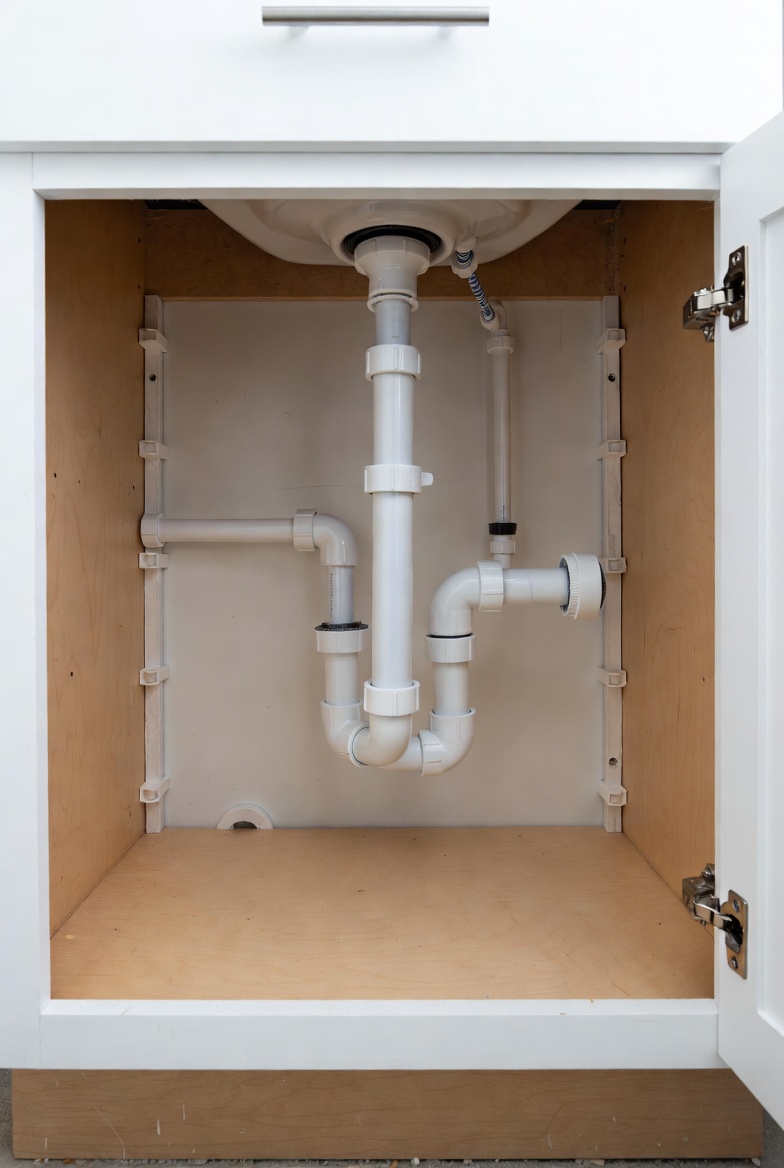
- Place a bucket under the P-trap. Use pliers to loosen the slip nuts and remove the trap carefully.
- Look for hair wrapped around bits of construction debris—drywall, grout, tape, or metal fragments—and clear them away.
- Rinse the trap and the trap arm with water before reassembling.
Step 4: Clear deeper clogs if needed
- If the trap was clear but the drain still backs up, use a small hand auger (drain snake) to reach past the trap arm into the drain line.
- Work slowly to avoid pushing debris further down. Remove any collected material as you bring the snake back up.
Step 5: Reassemble and test
- Put the P-trap back together, hand-tighten nuts, then give a slight additional turn with pliers—don’t overtighten.
- Run water to test for leaks and to check how well the drain clears. If flow is normal and no leaks appear, you’re done.
What Not to Do
- Do not overlook remodel debris. Even small fragments can trap hair and cause repeat clogs.
- Do not pour harsh chemical drain cleaners into a drain that may contain plaster, adhesive, or metal shavings—these can react badly or make removal harder.
- Do not force fittings or overtighten plastic slip nuts; you can crack the trap or strip threads.
When to Call a Professional
- Repeated clogs after clearing the trap and drain snake work.
- Visible solid debris that looks like plaster, heavy grout, adhesive, or metal shards that you can’t safely remove.
- Leaks after reassembly, damaged or corroded drain parts, or if the fixture was recently installed and you suspect installation issues.
Safety Notes
- Wear gloves and eye protection when handling debris and using tools.
- Avoid chemical drain cleaners when the clog may contain construction materials; they can cause fumes, burns, or damage to pipes.
- Have a bucket ready to catch water when you open the trap. Work slowly to avoid spills and accidental damage.
Common Homeowner Questions
- Why did this start right after the remodel? Construction work can introduce small debris that traps hair and soap, starting clogs quickly.
- Can I use a plunger to fix this? A plunger can help for shallow clogs, but it won’t remove solid debris or hair caught in the P-trap.
- Is it safe to remove the P-trap myself? Yes, for most homeowners with basic tools and care; stop and call a plumber if you see unusual debris or damaged parts.
For persistent or unusual problems, consider consulting a licensed plumber rather than using repeated chemical fixes.
For more related articles, see the Recurring Hair & Soap Buildup Cycles hub.