Quick Answer:
If the heated tap water has a bitter flavor, stop drinking it and test carefully. Bitter hot water is often caused by concentrated minerals, reaction of tank parts, or organic buildup inside the water heater — not usually immediate widespread poisoning. Collect a sample of hot-only water, let it cool, and compare it to cold tap water to help narrow the cause.
Why This Happens
A few common things can make only the heated water taste unpleasant:
- Mineral concentration: Hot water can dissolve and release more minerals from pipe scale or the heater lining, changing the taste.
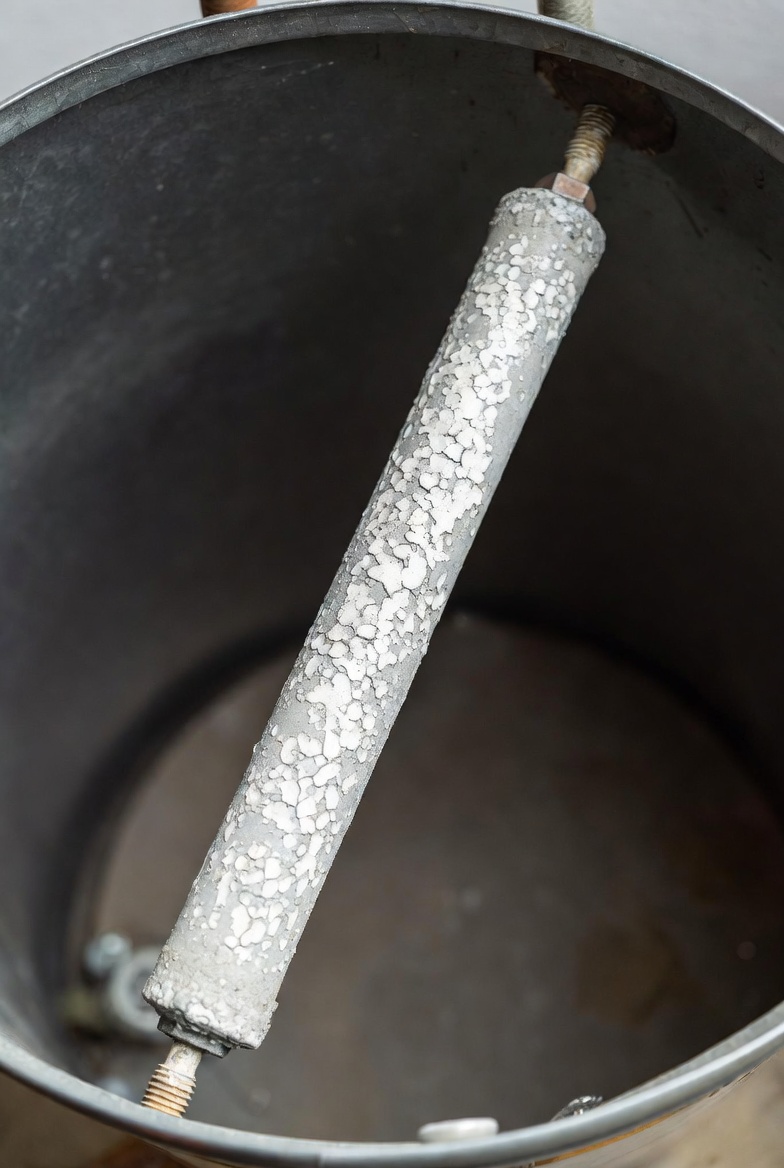
- Corrosion or anode reactions: Parts inside the tank can react with water and alter flavor, especially in older heaters. This can give a metallic or off taste rather than a sweet, harmless change.
- Organic or bacterial buildup: Sediment and organic matter in the bottom of tanks can break down and affect taste. This can also cause smells.
- Localized fixture issues: Sediment or contaminants in a single hot-water faucet or mixing valve can make only that outlet taste bad — see **Hot water sediment clogging fixtures** for more on that situation.
Compare this situation to a full blown metallic taste problem; if the flavor is metal-like, it may relate to plumbing metals or reactions in the heater (see **Hot water tastes metallic** for more on metallic flavors).
Step-by-Step What to Do
1. Stop drinking hot tap water
- Do not consume water that tastes off. Use cold tap water or bottled water for drinking and cooking until you know the cause.
2. Compare hot versus cold
- Run cold tap water and taste after it cools to room temperature. Note any difference in bitterness between cold and hot water.
3. Collect a hot-only sample and test after cooling
- Run a hot-only tap (open the hot side on a faucet) until the water is fully hot. Collect this water in a clean cup, cover, and let it cool to room temperature before smelling or tasting. This avoids scalding and isolates the heated-water source.
- Compare the cooled hot sample to the cold-tap sample. If only the hot sample is bitter, the problem is inside the heater, piping that serves hot water, or a hot-side fixture.
4. Check multiple fixtures
- Test hot water from other taps in the house. If the taste is present at every hot faucet, the heater or main hot piping is likely responsible. If it’s only one faucet, that fixture is the suspect.
5. Flush the water heater (basic check)
- Flushing can remove sediment and organic buildup. If you’re comfortable, follow your heater’s instructions: turn off power or gas, attach a hose to the drain valve, and flush until the water runs clear. If you’re unsure, skip this and call a professional.
6. Note heater age and maintenance history
- Older tanks and heaters that haven’t been flushed or had the anode checked are more likely to cause taste changes. Keep a record of age and service when you call for help.
7. If simple checks don’t help, call a plumber
- A licensed plumber can test water chemistry, inspect the anode rod and heating elements, and advise on repairs or replacement.
What Not to Do
- Do not consume bitter-tasting hot water.
- Do not taste scalding water — always let hot samples cool before smelling or tasting.
- Do not pour chemicals into the heater to “fix” taste problems yourself.
- Do not dismantle gas or electric components of the heater unless you are qualified; this can be dangerous.
When to Call a Professional
- If the bitter taste affects all hot water and flushing doesn’t help.
- If you notice rust-colored water, strong metallic flavors, or signs of corrosion on pipes or the heater.
- If you can’t safely complete the flushing or inspection steps, or if the heater is older than 10–15 years and showing signs of failure.
Safety Notes
- Always avoid tasting water that is still hot. Collect and cool samples before checking taste or smell.
- Turn off power to electric heaters or set gas to pilot before any drain/flush work. If unsure, leave it to a professional.
- If you detect a rotten-egg smell (sulfur), that could indicate hydrogen sulfide or bacterial activity; treat that as a separate concern and get expert help.
Common Homeowner Questions
- Can the anode rod make water taste bitter? A corroding anode can change hot-water taste; a plumber can inspect and replace it if needed.
- Will boiling the water make it safe to drink? Boiling may kill bacteria but won’t remove off-tastes caused by minerals or metals; do not rely on boiling to fix flavor problems.
- Is flushing the heater safe for a homeowner to try? Basic flushing is simple, but only attempt it if you are comfortable following the heater’s instructions and can safely turn off power or gas first.
For more related articles, see the Hot-Water-Only Contamination and Odor Problems hub.