Quick Answer:
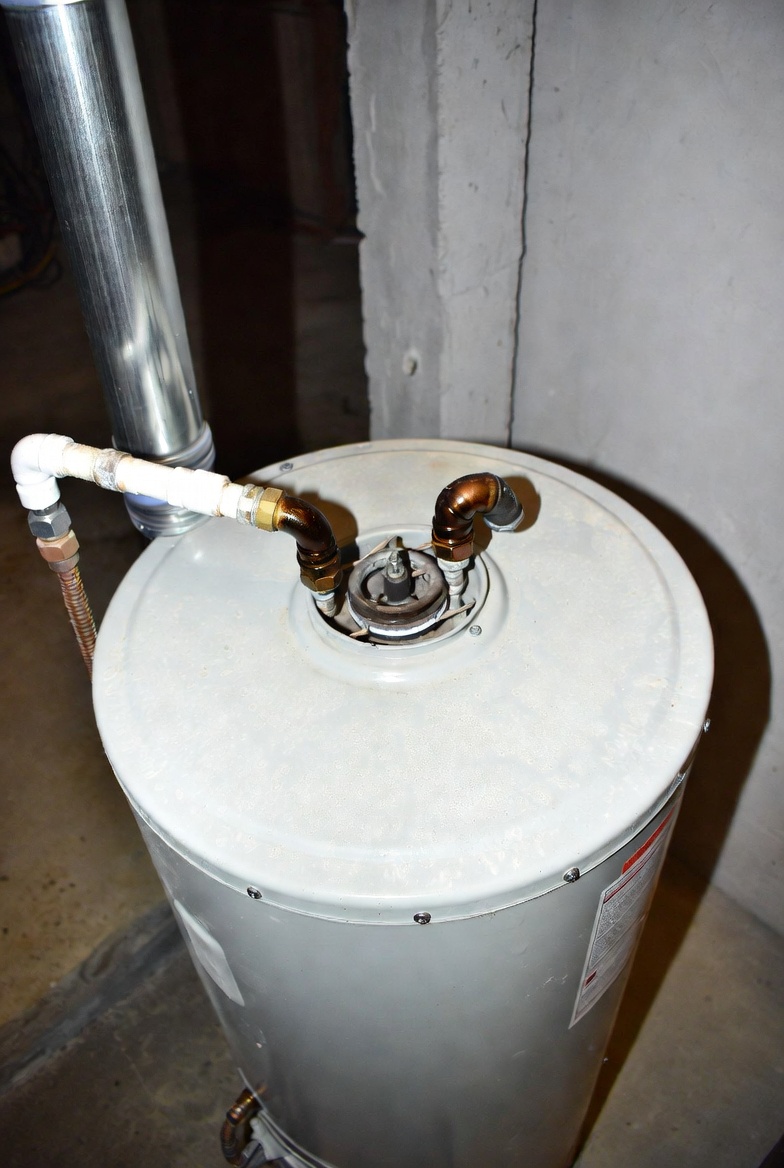
If the chemical smell comes only from hot taps, the water heater is the most likely source. Common causes are reactions between disinfectants (like chlorine or chloramine) and the heater’s metal parts or mineral scale, or bacteria and corrosion inside the tank. Start by isolating the heater with a simple smell test, then flush and inspect before making any changes.
Why This Happens
Municipal water is treated with disinfectants such as chlorine or chloramine. Those chemicals are generally stable in cold water but can change when heated. Inside a hot water tank, heated disinfectants can react with:
- anode rods (magnesium or aluminum), producing metallic or sulphur-like odors;
- mineral scale, which provides surfaces for chemical reactions or bacteria to grow;
- corroded metal parts, releasing metallic tastes or smells when warmed.
If the odor is only present in hot water, the supply side is less likely to be the cause and the tank or its internal components are the usual suspects. For related issues where hot water has a metallic taste or debris, see Hot water tastes like pennies and Hot water sediment clogging fixtures.
Step-by-Step What to Do
1. Confirm the smell is limited to hot water
- Run cold water and sniff at the tap. Then run hot water and sniff. If the smell is only on hot water, the heater is implicated.
- Try multiple fixtures (kitchen, bathroom) to ensure it’s not a single faucet or cartridge issue.
2. Compare hot smell before and after heater cycle
- Test first thing in the morning before any hot water has been used (water that has sat in the tank overnight).
- Drain a small amount of hot water from a tap, then use enough hot water to cause the heater to refill and reheat (a “cycle”). Smell the tap again immediately after the heater has completed that cycle.
- A stronger smell after a cycle points toward reactions happening during heating; a smell only after long idle periods suggests bacterial or stagnant conditions.
3. Flush the water heater
- Sediment can hold bacteria and chemicals. Flushing the tank can remove deposits. Follow the manufacturer’s instructions or use the drain valve to flush until the water runs clear.
- If you’re not comfortable doing this, ask a plumber to flush and inspect the tank.
4. Check temperature and anode condition
- Turn heat down to around 120°F (49°C) to reduce reaction rates and scald risk while you investigate.
- If you know how and it’s safe (power/gas off), inspect the anode rod for heavy corrosion. A degraded magnesium anode can cause odors; replacement may help but should be done correctly.
5. Test and isolate
- Collect samples of cold and hot water and, if possible, have them tested for chlorine/chloramine, sulphides, and metals. Your local water utility or a lab can advise on testing.
- Temporary isolation: turn off the heater and run hot water from the tank-side only (if you have a bypass) or shut off the heater entirely and use cold-only for drinking until tested. This helps confirm the tank is the source.
6. Consider treatment or component replacement
- Depending on findings: replacing the anode rod with a different material, regular flushing, changing the heater lining, or professional bacterial remediation may be needed.
- Work with a plumber if component replacement or inside-tank work is required.
What Not to Do
- Do not add filters before isolating heater chemistry. Installing a filter first can mask the source and complicate diagnosis.
- Do not pour chemicals or household bleach directly into the heater without professional guidance.
- Do not remove pressure-relief valves or do electrical/gas work on the heater unless you are qualified.
When to Call a Professional
- If the odor persists after flushing and basic checks.
- If water testing shows unusual levels of metals, sulfide, or disinfectant byproducts.
- If you need anode replacement, internal repairs, or suspect bacterial contamination—call a licensed plumber or water treatment specialist.
Safety Notes
- Do not taste hot water to check for chemicals. Smell is safer, but avoid prolonged inhalation of strong odors.
- Turn off power to electric heaters and shut gas to gas heaters before attempting internal inspections. If unsure, call a professional.
- When lowering temperature, keep it high enough to limit bacterial growth but low enough to reduce scald risk—around 120°F is a common compromise.
Common Homeowner Questions
- Will boiling hot water remove the smell? No. Boiling can change the odor but won’t address the source and may concentrate some contaminants.
- Is it safe to drink hot water once the smell is gone? Only drink hot water after you’ve confirmed the cause is fixed or after testing shows it’s safe.
- Can I fix this by myself? Basic checks and flushing you can do yourself; component replacements and bacterial issues usually need a pro.
For more related articles, see the Hot-Water-Only Contamination and Odor Problems hub.