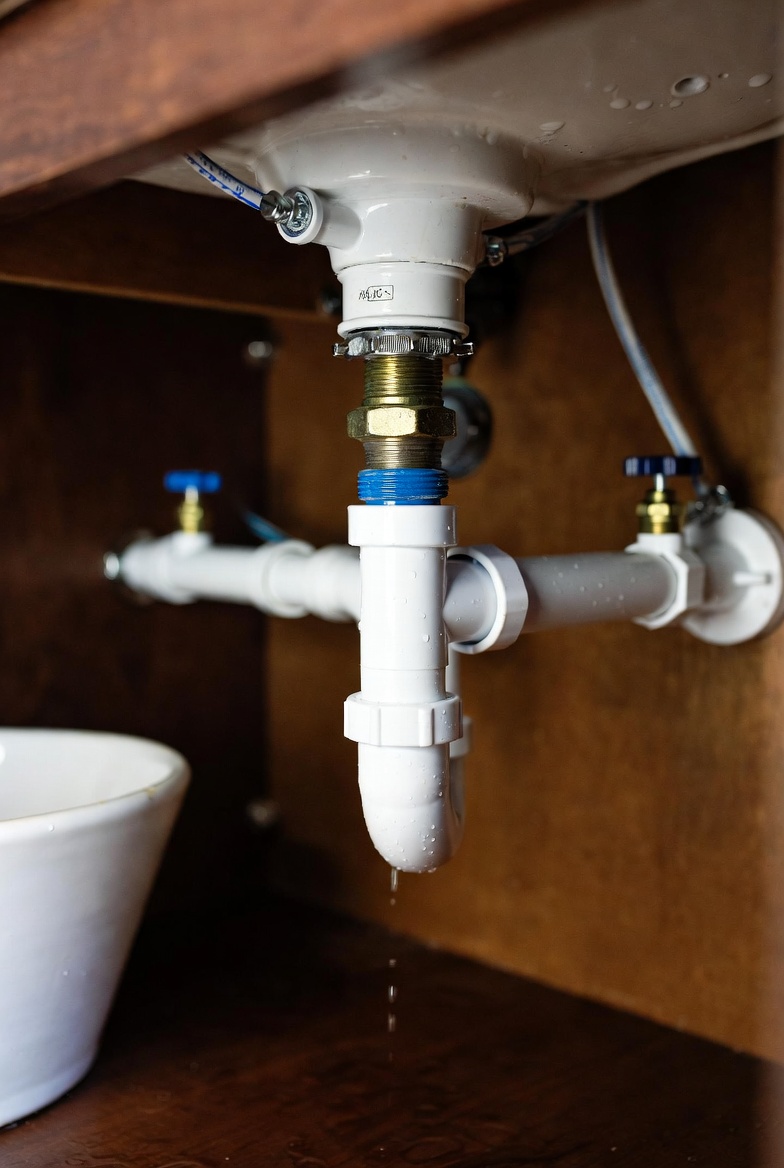
For musty odor after repair, keep the actual material and commissioning record. Disturbed deposits are one possibility, not proof that flushing will remove the concern or that drinking becomes appropriate afterward.
Choose the response before a test
A musty description does not identify mold, bacteria or a chemical. A familiar provider-identified aesthetic odor can have ordinary-use instructions. For a new unexplained water change, use a known-safe supply for drinking, food and oral care while asking the supplier or local well-water authority about use and investigation. Follow actual notices for bathing and appliances. Odor fading, clear appearance and boiling do not clear an unidentified chemical concern.
Keep the existing record
- What was repaired, materials/products used, open-pipe or drain exposure and required completion steps.
- Original affected outlet and water versus room/drain observation, actual source advice and leaks.
Do not cycle a valve to move trapped water
A justified construction flush needs a defined source, secured sound outlet and appropriate capture before controlled water admission. Isolate and release the worked segment again before disconnection or final refit. Do not loosen a retained joint, reopen uncertain plumbing or cycle a branch valve as an odor test. Floor drains receive wastewater; they are not supplied flushing outlets.
Complete the repair’s actual requirements
Ask the installer whether cleaning, disinfection, testing or specific material commissioning applies. A bucket containing particles shows what was caught there, not sanitary status. Do not run nearby fixtures to complete a guessed purge, wipe new fittings with an unknown chemical or approve consumption because the odor disappears after hours.
Arrange any needed sample with the supplier or certified laboratory before flushing, removing an aerator or altering treatment. The substance and question determine outlet, container, timing and handling; a household glass or a screen rinse is not automatically a laboratory sample. A result covers what was actually assessed, not every possible concern. Do not taste or deliberately close-sniff water to identify it.
After source and sampling decisions, clean only actual owner-removable parts with flow off, safe cool access and the maker’s permitted tools, cleaner and refit. Retained screens, finishes and seals differ. Do not treat vinegar and bleach as interchangeable or successive generic steps, mix products or force a stuck insert. Internal work needs the relevant feeds/energy isolated and retained pressure released and verified before opening.
Appropriate routine flushing or commissioning follows the actual supplier, installer and product directions with sound assembled plumbing, a suitable receiver and attendance. Stop for leakage, backup or unsafe hot discharge. A universal low-to-high route, timer or odor-free endpoint does not establish completion or safe use. Avoid spreading unresolved water into heaters and food appliances as a test.
Follow up on the actual concern
Report an unexplained new or recurring change promptly. Use water-source advice for water quality, the installer or maker for equipment, and suitable plumbing or building assessment for a real leak or drain concern. Do not wait through repeated flushes or another exposure to obtain help. Treatment and return to use need the actual findings and required completion steps.