Quick Answer:
If the water looks milky only first thing in the morning, it’s most often tiny air bubbles coming out of solution after pipes sit overnight. A simple test—fill a clear glass and watch—usually shows the cloudiness rising and clearing within a minute. If the cloudiness doesn’t clear, leaves a white residue, or affects more than one fixture, have a plumber test the source safely to rule out mineral buildup or contamination.
Why This Happens
- Air in the pipes: Overnight pressure or temperature changes let dissolved air form tiny bubbles when you first open a tap.
- Water heater behavior: Temperature shifts can cause gases or minerals to separate from hot water and appear cloudy when you run hot taps.
- Mineral content: Hard water can leave fine mineral particles or a white residue that looks milky, especially after heating.
- Sediment or aerator debris: Small particles can collect in aerators or low-flow devices and show up at first use.
Step-by-Step What to Do
Step 1 — Fill a clear glass and watch
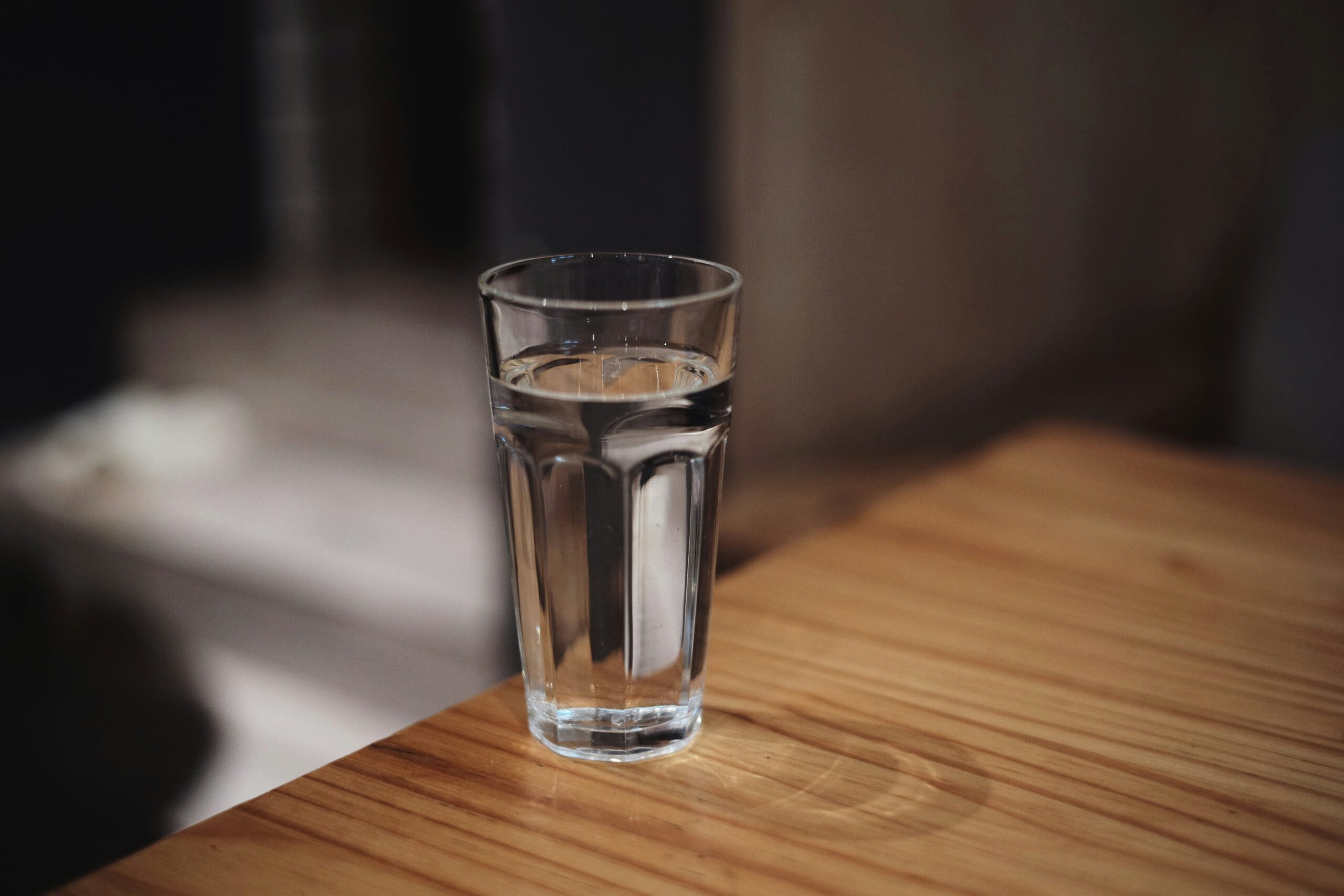
Fill a clear glass from the problem tap, set it on the counter and watch for up to a minute. If the cloudiness rises to the top and clears from the bottom up, that points to air bubbles. If the liquid clears but leaves flakes or powder at the bottom, that suggests minerals or residue—see White residue after boiling water for more about what that looks like.
Step 2 — Compare hot and cold taps
Test the cold tap and a hot tap separately with the same glass. If only the cold water is cloudy, it’s usually air or a supply-side issue. If only the hot water is cloudy, the water heater or its sediment may be the cause. If both are cloudy, the issue is likely in the house supply or municipal feed.
Step 3 — Check aerators for white specks
Unscrew the faucet aerator (or pop it out) and inspect it. Look for tiny white specks or mineral buildup. Rinse the aerator screen and run the tap again. If you find particles, cleaning or replacing the aerator often fixes the problem—see White specks clogging aerators for typical signs. If the aerator is stuck, don’t force it; stop and call a pro.
Step 4 — Check other fixtures and run briefly
Check a few other taps around the house. Run cold water for a short time to see if the issue clears systemwide. A brief flush of a faucet can clear trapped air, but avoid repeatedly flushing the water heater (see What Not to Do below).
What Not to Do
- Don’t assume all cloudiness is harmless air or start flushing the heater repeatedly; if cloudiness persists or leaves residue, have a plumber inspect the system.
- Don’t taste water to “test” if it looks dirty. Don’t add chemicals or attempt complex repairs on the water heater yourself.
- Don’t remove plumbing parts you’re not comfortable with—call a plumber if fittings are stuck or if you suspect the heater or supply line is the problem.
When to Call a Professional
- The cloudiness does not clear after a minute in a clear glass.
- Cloudy water leaves a powdery or flaky residue, stains, or visible particles.
- Multiple fixtures are affected, or you notice odor or discoloration.
- You suspect the water heater (strange noises, repeated cloudy hot water) or if aerators are stuck or corroded.
A plumber can test for mineral content, sediment, bacteria, or supply-side issues and recommend safe repairs or filtration if needed.
Safety Notes
- If water has an unusual smell, color, or visible sediment, avoid using it for drinking and cooking until tested.
- Boiling water will not remove heavy metals or some contaminants; professional testing is the only reliable way to confirm safety.
- If you’re unsure or uncomfortable with any step, stop and call a licensed plumber rather than attempting risky repairs.
Common Homeowner Questions
- Why does it only happen in the morning?
Overnight pressure and temperature changes let dissolved gases form bubbles that show up when water sits unused. - Is milky water dangerous?
If it clears quickly, it’s usually just air and not dangerous; persistent cloudiness or residue should be tested. - Can I fix it myself?
Simple checks—glass test, comparing hot/cold, and cleaning aerators—are safe; call a plumber if the issue persists or if parts are stuck.