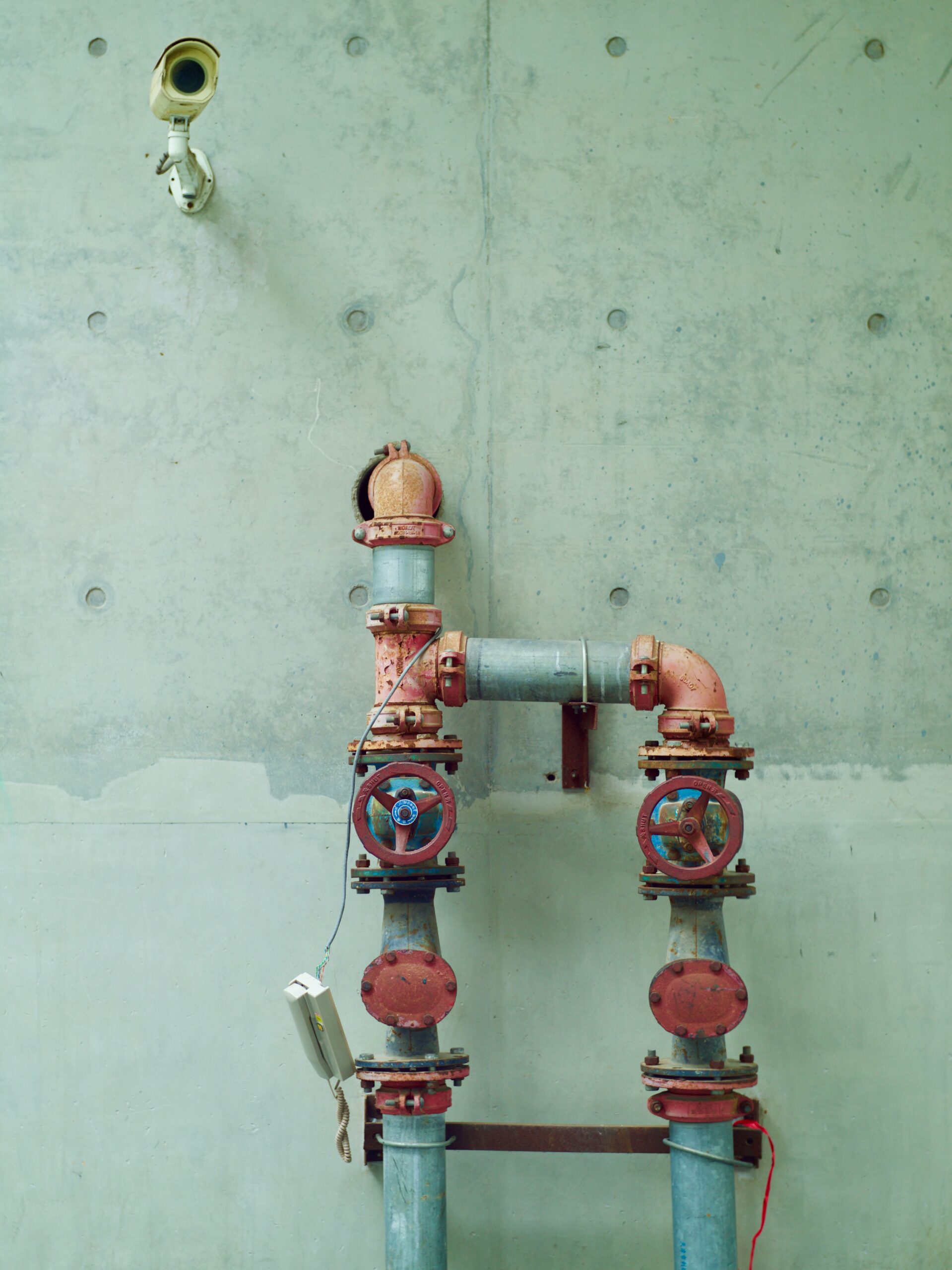
Quick Answer:
If you hear intermittent banging in pipes during long stretches when no water is being used, it can feel like hidden pressure surges are stressing your plumbing. Often the cause is a pressure or control device reacting to changes in supply pressure or thermal cycling. Log the times of the noises and try to localize them; if the pattern points to supply-side issues, a licensed plumber can test pressure control components and confirm the source safely.
Why This Happens
- Supply pressure changes: Municipal or shared well systems can have pressure fluctuations from automatic flushing, pump cycling, or other neighborhood use that travel into your house and cause pipes to bang.
- Pressure-control hardware: A failing pressure-reducing valve (PRV), water meter check valve, or a weak expansion tank can allow sudden pressure spikes or water hammer when the system rebalances.
- Water heater cycling and thermal expansion: Heating and cooling in the water heater or thermal expansion in long-unused hot lines can lead to brief movements and noises as valves or fittings shift.
- Appliances and controls: Timed devices such as softener regeneration, irrigation controllers, or smart shutoff valves can run when you’re not using water and create noise events at predictable times.
- External events: City work, hydrant flushing, or storms can change pressures; see related topics like Noise after storms for weather-related causes.
Step-by-Step What to Do
Step 1 — Log times and patterns
- Write down the exact time and date of each bang.
- Note whether it happens overnight, early morning, or at fixed intervals.
- Pattern data is essential to tell if the source is inside your house or on the supply side.
Step 2 — Check neighbors and utility activity
- Ask neighbors if they hear the same noises or if they have timed devices that run at those times.
- Contact your water utility (or check recent service notices) to learn about scheduled flushing, pressure changes, or pump work.
Step 3 — Listen near the water heater and main entry
- Stand quietly near the water heater and the main water entry point while the noise occurs to see where it sounds loudest—this helps localize the surge.
- If you have a basement or utility closet, listen there; noises from the supply side often enter at the main.
Step 4 — Inspect fixtures and timed devices
- Check that no appliances, timers, or smart valves are running at the logged times. If you have a smart shutoff, consider whether its activity coincides with the bangs.
- If you suspect the device, temporarily disable or reschedule it to test whether the noise stops. For guidance on installations and issues, see Banging with smart shutoff installed.
Step 5 — Simple on-site checks
- With all fixtures off, watch your home’s pressure gauge (if present) or attach a temporary gauge if you know how. Sudden spikes indicate supply-side pressure events.
- Carefully open a distant faucet slightly to see if the banging changes—this can relieve pressure and is only a short-term diagnostic step.
Step 6 — Decide next steps from the pattern
- If the bangs match utility activity or neighbor reports, the issue is likely supply-side and a plumber can confirm by testing PRV function and installing monitoring equipment.
- If the noise is localized to a fixture, the plumber can inspect valves, air chambers, or loose supports.
What Not to Do
- Don’t start opening walls or disabling safety devices; if bangs continue with no fixtures running, have a plumber evaluate pressure control components.
- Don’t remove or bypass pressure-relief valves, thermal expansion tanks, or other safety equipment to try to stop the noise.
- Don’t make permanent adjustments to the main shutoff or PRV if you’re unsure—incorrect changes can raise system pressure and cause damage.
When to Call a Professional
- Call a licensed plumber if banging continues with no fixtures running, especially if you logged consistent times and ruled out neighbors or utilities.
- Have a plumber inspect if you see leaks, loose fittings, repeated valve operation, or sudden pressure changes on a gauge.
- If the pattern suggests supply-side pressure spikes, a plumber can safely test the PRV, check the expansion tank, install a pressure monitor, and coordinate with the utility if needed.
Safety Notes
- Do not disable or remove any safety devices such as pressure-relief valves or expansion tanks—these protect your home from overpressure.
- If you discover a leak or burst pipe, shut off the main water quickly and call a professional. Only shut the main in a controlled way if you understand the steps for your home.
- Avoid high-risk DIY work like working inside walls or on pressurized fittings unless you have proper training and tools.
Common Homeowner Questions
- Why does it only happen when no one is using water? Small automatic devices, supply-side pump cycles, or timed municipal work often operate when households are idle, producing noises you don’t hear during active use.
- Could this damage my pipes? Occasional bangs are usually harmless, but repeated pressure spikes can stress joints and fittings—log the events and get an inspection if they persist.
- Will the utility fix supply-side pressure spikes? Utilities often investigate recurring pressure problems; if your plumber confirms supply-side causes, share your log with the utility for their follow-up.
For more related articles, see the Random Banging With No Water Running hub.