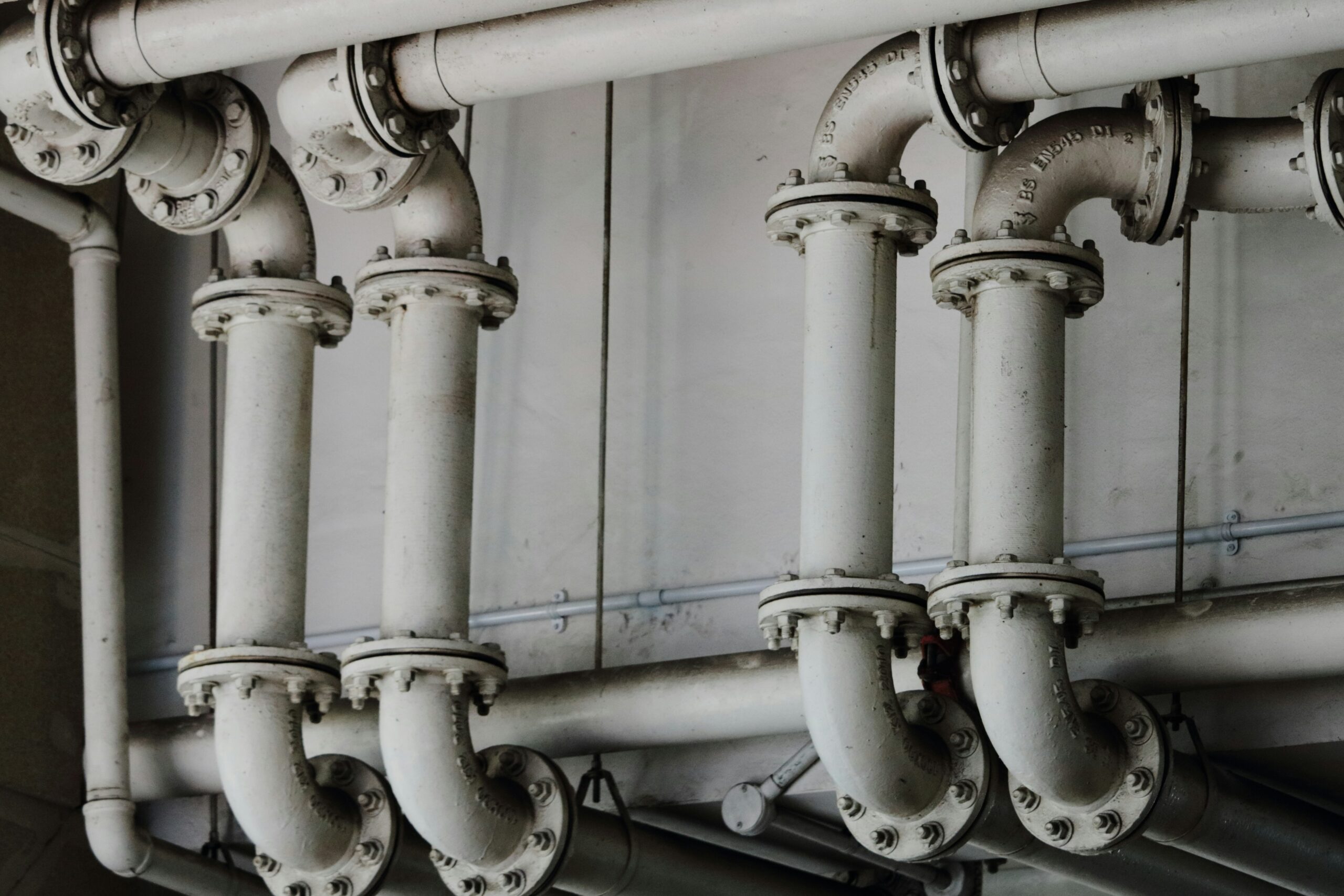
A hammer-like sound is not a pressure recording. Abrupt flow changes, closed-system heating, mechanical contact or another source may be relevant. Keep the original sound description and use suitable measurements before selecting an arrestor, regulator or tank.
Use the safety response before collecting evidence
For suspected fuel gas, a carbon monoxide alarm or exposure symptoms, leave the building and call the appropriate emergency service from safety. Do not operate switches, phones, valves or appliances there or stay to investigate. Carbon monoxide has no smell. Keep clear of steam, very hot discharge, separating fittings and severe uncontrolled movement; obtain prompt appropriate help instead of waiting for a multi-day log or city work to finish.
A heater relief valve discharging is not ordinary cycling to silence. Never plug, cap, isolate or bypass its outlet. Stay away from wet electrical equipment. Dry hands or tools do not authorize energized work. When no gas emergency is suspected, use only safely accessible dry normal controls or get utility/electrician help. A known safely operable customer supply stop can limit an active supply leak; do not force it or operate unknown shared, fire-protection or utility valves.
Distinguish a hydraulic event from a similar sound
- Actual event: Note single impact, repeated chatter, creak or vibration without repeatedly opening and snapping a valve shut. Classic water hammer involves a rapid flow change; sound alone does not show that event or its origin.
- Different functions: A pressure regulator, thermal-expansion provision and water-hammer arrestor answer different problems. An arrestor selected for an actual quick-closing fixture is not a universal remedy for unexplained idle noise, heating overpressure or poor supports.
- Useful service evidence: Ask for actual pressure behavior, timing, demand and device condition supporting the chosen correction. No fixtures deliberately operating, neighbor timing or a loud main-entry pipe does not uniquely identify the municipal side.
Should I add an air chamber or arrestor before the source is known?
Do not choose one from the sound alone. Correct type, sizing, location and compatibility depend on the actual event and equipment. Avoid repetitive challenge tests and keep all safety functions intact.
What a useful assessment should establish
Keep the original event times, perceived sound location, actual equipment models, work records and existing pressure or alert logs. No intentional faucet use does not prove zero automatic demand or no heating. Sound can travel along piping; a loud spot or a matching neighborhood schedule does not locate the fault or establish responsibility. Do not touch hot or moving pipe, enter unsafe crawlspaces, open walls or repeatedly cycle valves to reproduce a bang.
A suitable pressure assessment records where the instrument sits relative to the PRV, checks and heater, its range and response, time and actual demand/heating state. A single static reading can miss a brief event; a maximum pointer does not identify its time or source. Use actual component and local limits rather than one universal safe psi value. An intended owner-permitted cool-water external gauge check may be appropriate with compatible rated equipment, known safe access and no active leak, advisory or failed receiver. Do not use a heater drain, utility test cock or unknown port as a generic gauge point; get qualified measurement help if uncertain.
Keep protective controls active. Ordinary nonessential scheduling changes differ from defeating leak detection, backflow protection, relief, freeze protection or essential supply. Internal service requires the actual sources, stored pressure, temperature and energy controlled under the equipment instructions. Closing one valve or power switch is not proof of zero retained hazards. Suitable correction and model-specific checks come before restoration; do not energize an unverified empty heater or treat a quiet interval as whole-system clearance.
Related guides
Sources and limits
- Con Edison: suspected fuel-gas leak response
- CDC: electrical hazards near water
- A. O. Smith Bulletin45: closed-system heating and expansion protection
- Watts 25AUB example: measured setting and service precautions
- A. O. Smith Bulletin52: temperature/pressure relief functions
Manufacturer examples do not identify your equipment, safe settings or local responsibility. Their test and treatment recipes are not universal household instructions. Independent professional review and field tests have not been obtained.