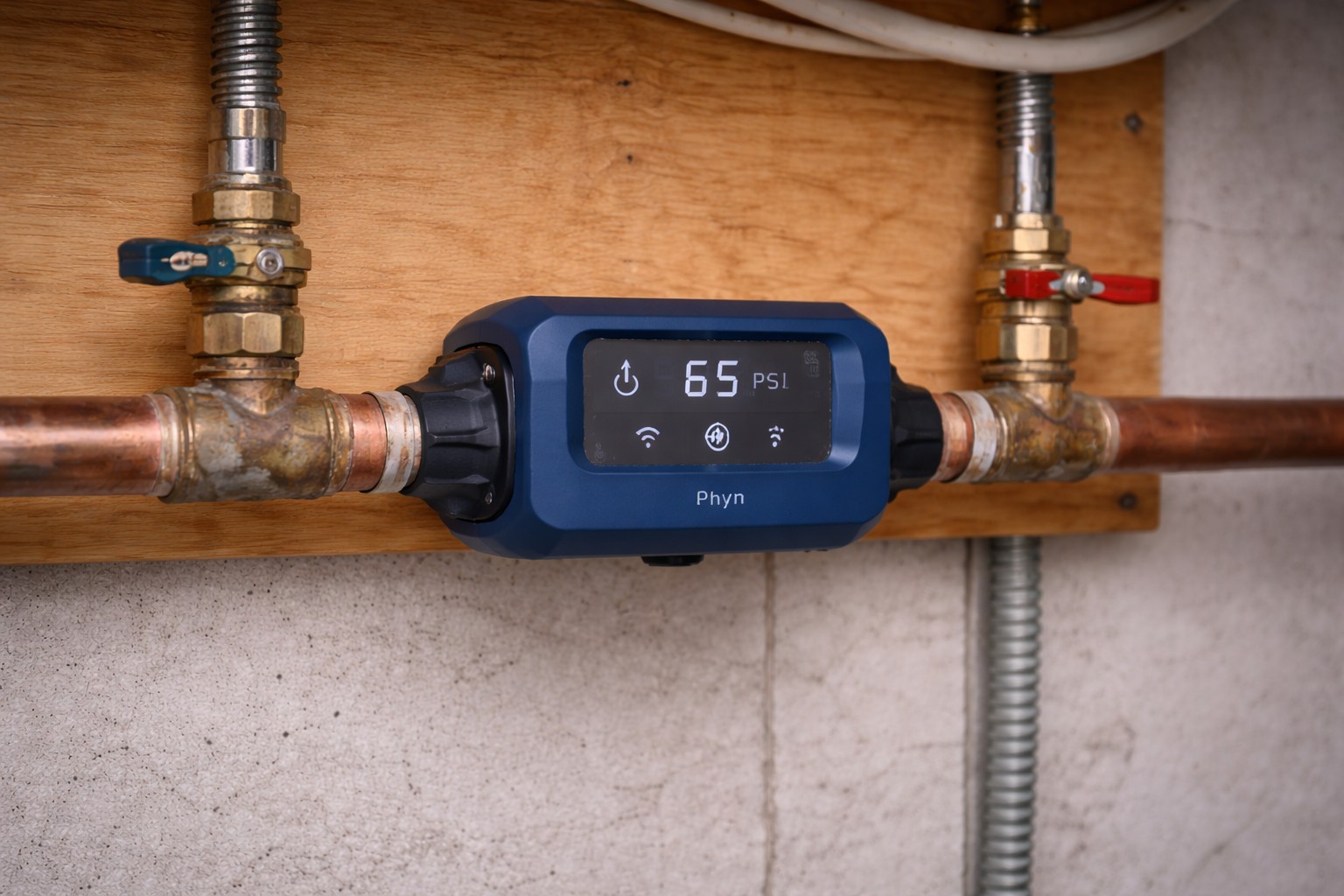
Quick Answer:
If your smart shutoff app alerts at the same time you lose water pressure, treat it as a system-wide pressure event rather than a single fixture problem. Start by installing a gauge with a max-needle on the main line, log when pressure falls, and try to match drops to likely triggers (irrigation cycles, storms, or PRV activity). Isolate upstream vs downstream sections step by step so you can tell whether the supply or your house plumbing is at fault.
Why This Happens
Smart shutoff devices watch pressure and flow patterns. When they see a sudden drop or unusual flow they may alert you or even shut the supply off to limit damage. Common causes include:
- Municipal supply interruptions or low mains pressure during storms or utility work.
- Irrigation systems, pumps, or timed valves that draw a lot of water and create temporary low pressure.
- Pressure reducing valve (PRV) cycling or failure that lets pressure fall and then recover.
- Leaks that are intermittent or large enough to trigger the device.
Track the events rather than guessing. For example, compare alert times to next-door irrigation schedules or weather events — if the pattern matches, see the related guide on Pressure drops only during storms for more detail.
Step-by-Step What to Do
1. Check the alert details immediately
- Open the smart shutoff app and note the exact time and any readings it shows (pressure, flow, duration).
- Look for repeated patterns: same time of day, only during heavy rain, only when irrigation runs, etc.
2. Install a gauge with max-needle on the main
- Fit a pressure gauge with a max-needle (also called a peak or drag needle) at the house shutoff or a nearby hose bib where it reads service pressure. The max-needle will record the highest or lowest pressure reached so you can compare events.
- If you’re not comfortable working on the main, have a licensed plumber install it. The goal is a reliable, visible record of pressure when the alerts occur.
3. Correlate pressure drops to likely triggers
- Keep a short log: time of alert, weather, irrigation running, washing machines, or sump pump cycles.
- Check whether drops match irrigation schedules, nearby storms, or PRV cycling. If drops line up with rain or utility notes, consult the article about Water stops briefly then returns for troubleshooting tips on intermittent supply issues.
4. Isolate upstream vs downstream causes
- Turn off internal isolation valves (appliances, irrigation backflow preventer, and the house main) one at a time and watch the gauge:
- – If pressure restores when the house main is closed but the street-side pressure (at the meter or meter-side valve) is low, the problem is upstream with the utility or service line.
- – If upstream pressure is steady but the house side drops when you open the house main, the issue is inside your plumbing (leak, failed PRV, or a device drawing water).
- Use a portable gauge to test at different points (meter side, after PRV, at the house shutoff). That identifies where the pressure changes happen.
5. Test PRV and irrigation separately
- Shut off irrigation and watch the gauge during the next expected event. If the pressure holds, irrigation is the likely cause.
- If you have a PRV, watch for cycling or steady drift. A failing PRV can drop pressure intermittently or allow pressure to fall under load.
6. Keep records and repeat tests
- Collect gauge readings, app alerts, and notes about what you turned off or on. Patterns are the most useful clue to a cause.
- If you can reproduce a drop by switching a device on or off, you’ve isolated the load that triggers it.
What Not to Do
- Do not assume intermittent loss is a fixture issue—track system-wide behavior first.
- Do not blindly adjust or bypass safety devices like a smart shutoff or a PRV without understanding the consequences.
- Do not dig or tamper with the water service or meter without contacting your water utility first.
When to Call a Professional
- If you cannot isolate the problem (upstream vs downstream) after reasonable testing.
- If you find a leak you cannot safely access or repair, or if pressure falls suddenly and stays low.
- If the PRV is suspected to be failing, or if the smart shutoff keeps triggering even after you eliminate obvious causes.
- When the smart shutoff shuts supply and you cannot restore it safely—call a licensed plumber or your water utility.
Safety Notes
- Turn off electrical power to any pumps before working on them. Avoid working on live electrical equipment around water.
- Do not loosen fittings under pressure without proper tools and experience—release pressure first at a safe point.
- Call your water utility before operating or removing the meter, or before digging near the service line.
- If you are unsure how to read or install a gauge, hire a professional to avoid accidental damage.
Common Homeowner Questions
-
Q: Why did the smart shutoff trigger but the water returned soon after?
A: The device likely detected a temporary pressure or flow anomaly and resumed when pressure recovered. -
Q: Can I install the max-needle gauge myself?
A: If you’re comfortable shutting off the main and using basic tools, yes—but hire a plumber if unsure. -
Q: What if the pressure drop only happens during rain or storms?
A: That points to supply or municipal issues; record times and contact your water utility if it repeats.
Related Articles
If you’re troubleshooting a similar symptom, these guides may help:
For the full directory, see Intermittent Pressure Loss Events.