Quick Answer:
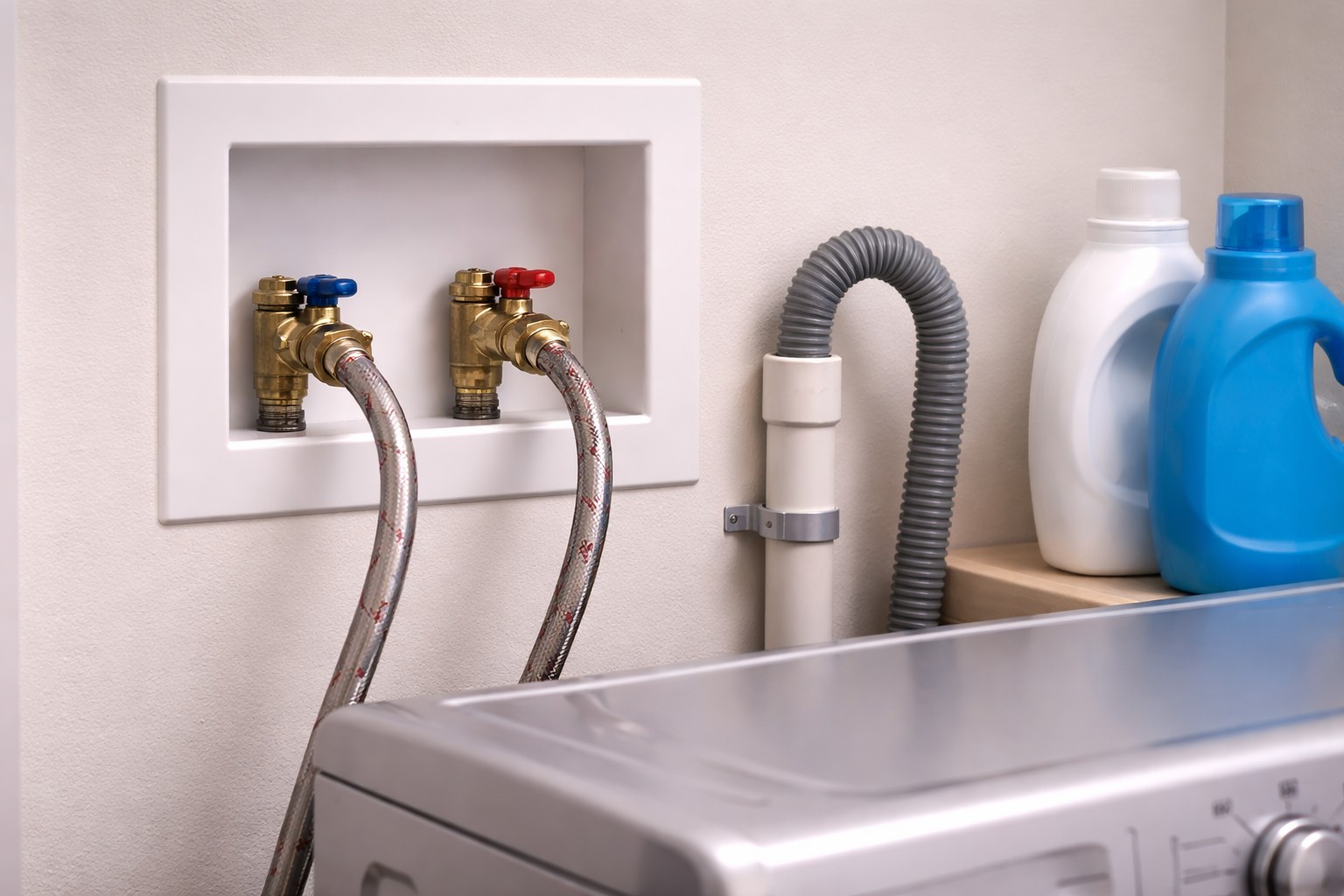
If a sudden pressure spike burst a washing machine hose, first shut off the water supply to the washer and cut power to the machine. Stop the leak, collect water, and follow the steps below to find the cause, protect the appliance, and prevent a repeat.
Why This Happens
Water pressure in a home can spike when valves slam shut, a municipal pump starts or stops, or a pressure-regulating device fails. Flexible washing machine hoses and their fittings are designed for normal house pressure. A sudden, brief surge above the hose’s rating can tear the hose or blow fittings off, causing flooding and appliance damage.
Step-by-Step What to Do
1. Stop the immediate damage
- Turn off the washer’s water supply valves (usually behind the machine). If you can’t reach them, shut off the home’s main water valve.
- Unplug the washer or turn off its circuit at the breaker to avoid electrical hazard where water has reached outlets or the machine.
- Towel up water and place a bucket under remaining drips to limit flooring damage.
2. Check and document the failure
- Look at the hose and fittings to see whether the hose split, the end fitting separated, or a clamp failed. Take photos for records or an insurance claim.
- Note whether only the cold or hot hose failed, and whether both were affected.
3. Install a temporary pressure gauge
- Attach a simple water pressure gauge to a nearby hose bib or washing machine tap thread to measure static pressure. This helps confirm unusually high pressure when systems are idle.
- Record pressure at different times of day—morning peak, midday, evening—to compare.
4. Isolate PRV and backflow devices for testing
- If your house has a pressure reducing valve (PRV) or a backflow preventer, isolate it and inspect for leaks or failure. A stuck PRV can let system pressure rise unchecked.
- Temporarily bypassing or isolating these devices for a controlled test can reveal whether they’re the source, but only do this if you know what you’re doing; otherwise skip to the professional step below.
5. Monitor surge timing
- Keep a log of when pressure spikes happen. Note time of day, nearby heavy-use appliances, or municipal work. Long-term tracking can show a pattern.
- If spikes occur only when the washer calls for cold water, or appear at the same time neighbors use heavy equipment, that information is useful for troubleshooting and for a plumber or utility.
6. Repair or replace components
- Replace failed rubber hoses with high-quality braided stainless hoses and new fittings rated for higher pressure. Replace clamps and valves that show damage.
- After repairs, re-check pressure with the gauge and run the washer on an empty cycle while watching for leaks.
7. Consider permanent protections
- Install a permanent pressure gauge at the laundry supply or main line to keep an eye on fluctuations.
- For recurring spikes, talk to a plumber about installing a pressure relief device, a surge arrestor, or a whole-house regulator. Read more about Pressure surge triggers smart shutoff and how automated devices react.
What Not to Do
- Do not ignore surges—they cause fixture and appliance failure.
- Do not just patch a hose and keep the machine running without checking system pressure.
- Do not try complex PRV repairs unless you have plumbing experience; incorrect work can worsen pressure control.
When to Call a Professional
Call a licensed plumber if you see any of the following:
- Repeated pressure spikes despite replacing hoses and valves.
- Damage to the washing machine or electrical components where water reached wiring or outlets.
- Signs of a failing PRV, backflow preventer, or main supply issues you cannot safely isolate.
- When surges are limited to one side of the machine; for example, if the spike is only on cold supply, tell the plumber you observed Pressure surge only on cold water.
Safety Notes
- Always cut power to the washer before working near water. Electricity and standing water are a serious hazard.
- If the leak soaked electrical panels or outlets, shut off the main breaker and call an electrician before restoring power.
- Use proper containment for water cleanup to avoid mold. Remove wet materials that cannot dry quickly.
Common Homeowner Questions
- How quickly should I replace the failed hose? Replace it immediately before running the washer again.
- Will braided hoses stop future breaks? They are more durable and reduce the chance of burst, but they won’t stop pressure spikes by themselves.
- Can my utility cause these spikes? Yes—pump cycling or maintenance can create short surges; tracking timing helps confirm this.
Related Articles
If you’re troubleshooting a similar symptom, these guides may help:
For the full directory, see Pressure Spikes & Sudden Surges.