Quick Answer:
City work often changes main-line pressure or leaves air in the pipes. If your home started having sudden pressure jumps right after a utility crew was nearby, install a pressure gauge on an exterior spigot, try to isolate the PRV and backflow device to see if they’re the source, and log when spikes happen. If spikes continue or are large, call a licensed plumber.
Why This Happens
When crews close, open, or repair mains they can create brief pressure spikes, drops, or trapped air pockets. A pressure regulator (PRV) or a backflow preventer on your service can react poorly to those changes or be left slightly out of adjustment after work. Sometimes the house system will stabilize within a few hours; other times a stuck or failing device will make the fluctuations persistent. You may also see spikes tied to appliances — for example a sudden rise that coincides with the water heater firing or a fixture opening, such as a Pressure surge when water heater kicks on.
Step-by-Step What to Do
1) Observe carefully and note timing
- Write down when each pressure jump happens: time of day, what fixtures or appliances were running, and whether the city sent any advisories.
- Look for patterns (only when the heater fires, only when irrigation runs, or random spikes).
2) Install a pressure gauge
- Use a simple hose-bib or main-line pressure gauge rated for domestic water systems. Screw it onto an outdoor faucet or a test port if your system has one.
- Record static pressure (no water running) and running pressure (with a faucet open). Typical household pressure is 40–60 psi; repeated spikes above that are a concern.
- If you’re unsure, buy or borrow a ready-made gauge and follow the instructions. Avoid soldering or modifying the main service if you’re not experienced.
3) Isolate the PRV and backflow device
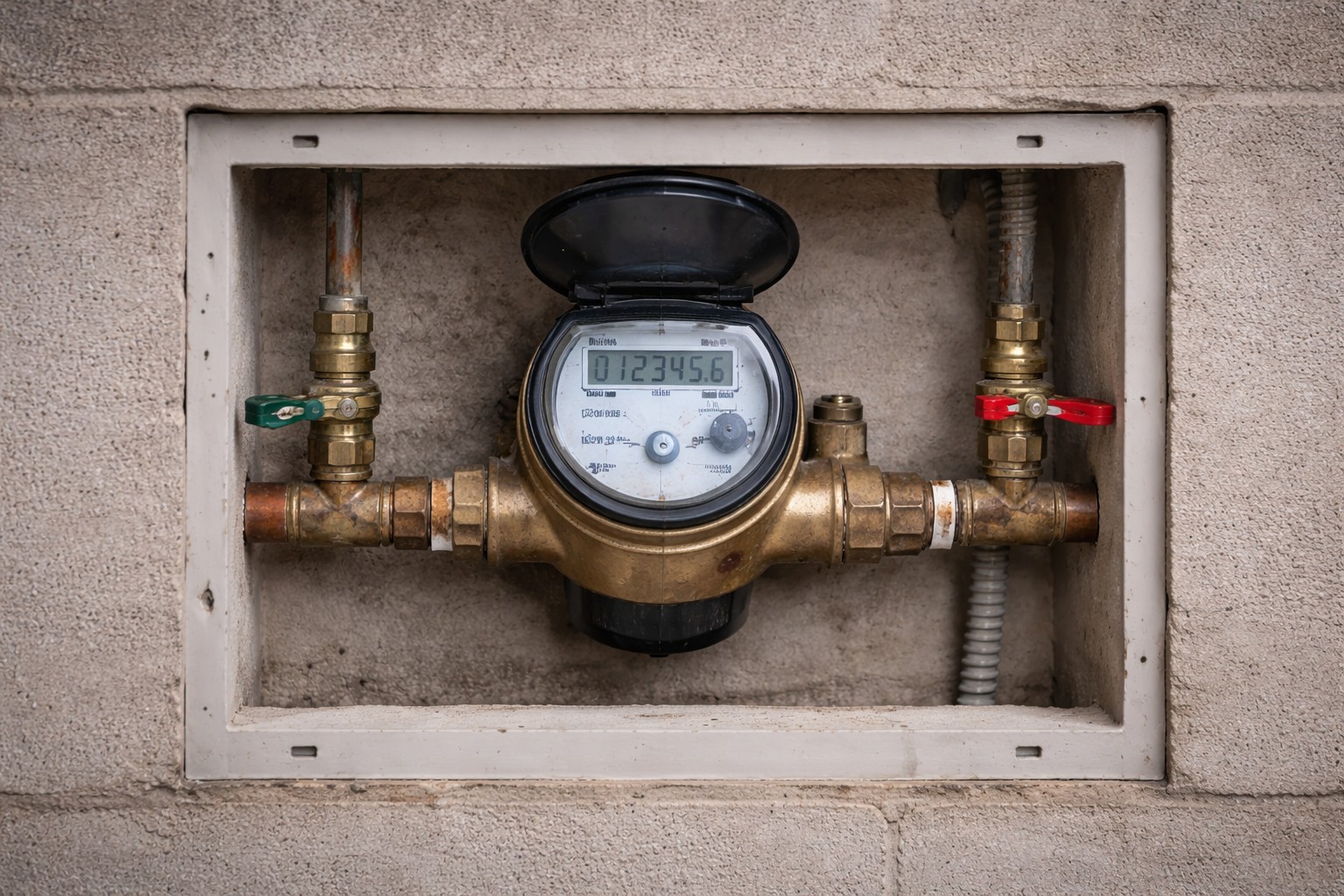
- Locate the PRV and any backflow preventer near the service entry. Many have shut-off valves or test ports.
- Temporarily isolate or bypass (only if designed for it) to see if pressure behavior changes. Closeable isolation valves let you determine whether the device is the source of the instability.
- If valves are stiff or you don’t have isolation points, stop and call a pro rather than forcing them.
4) Monitor surge timing
- Continue logging pressure readings and note whether surges align with city work schedules, appliance cycles, or certain faucets. Monitoring for 24–72 hours usually reveals patterns.
- If spikes happen only when a tap is opened and water comes out violently, that symptom matches typical high-pressure or valve-issue behavior like Water sprays violently when tap opens.
5) Protect fixtures while you troubleshoot
- Turn off or disconnect sensitive appliances (dishwasher, washing machine) until pressure is stable.
- Consider temporarily shutting the main before doing any tests that require opening the system or removing components.
What Not to Do
- Do not ignore surges—they cause fixture and appliance failure.
- Do not force or remove a backflow device or PRV parts if you don’t know how they work.
- Do not make permanent PRV adjustments without understanding downstream pressure needs; incorrect settings can damage fixtures.
- Do not attempt major service-line work or solder joints on the main supply if you are not a licensed plumber.
When to Call a Professional
- If pressure spikes exceed about 80 psi or you see repeated large swings that you cannot isolate using simple tests.
- If the PRV or backflow device appears damaged, leaks, or won’t respond to isolation.
- If fixtures or appliances show signs of damage, or if you’re uncomfortable doing any of the gauge or isolation steps.
- Contact the city water department only if your home tests show stable pressure but neighbors report problems, or if you suspect the issue is on the municipal side.
Safety Notes
- Turn off the main water supply before disconnecting fittings. Relieve pressure by opening a faucet first.
- Use proper tools and personal protective equipment (gloves, safety glasses) when attaching or removing gauges.
- Do not work on pressurized lines near electrical panels or equipment. Shut power to appliances if water is leaking onto electrical components.
- If you smell gas or see structural damage from water events, evacuate and call emergency services.
Common Homeowner Questions
-
Why did this start only after the city did work?
City crews change pressure, open or close valves, and can introduce air — any of those can cause immediate instability in a connected house system.
-
Will the pressure settle on its own?
Sometimes it will within hours as air is flushed and regulators reset; persistent or large spikes usually need inspection and repair.
-
Can I fix a PRV problem myself?
Basic checks and minor adjustments are possible for a handy homeowner, but replacement or complex repairs should be done by a licensed plumber.
Related Articles
If you’re troubleshooting a similar symptom, these guides may help:
For the full directory, see Pressure Spikes & Sudden Surges.