Quick Answer:
Before the shutoff, stage spare aerators, fill valves and filter cartridges and turn off or isolate vulnerable appliances. After service, open the main valve very slowly with a tub spout open, flush faucets and fixtures until the water runs clear, keep appliances off until flow and temperature are stable, and consider a temporary whole-house or point-of-use filter to protect fixtures and the water heater.
Why This Happens
Water mains and household pipes collect mineral fines, rust and small gravel over time. When flow stops, those particles settle into low spots, screens and inside appliances. When service resumes at full speed the surge of water can dislodge that material and push it into fixtures, valves and appliances. That is also why a water heater fills with debris or toilets and faucets start to spurt dirt-colored water after outages.
Step-by-Step What to Do
1. Prepare before the shutoff
- Collect spare aerators, fill valves and filter cartridges so you can swap them quickly if they clog. Have a set of simple replacement aerators and a few spare cartridges for any point-of-use filters ready.
- Turn off or isolate sensitive appliances—dishwasher, washing machine, water softener and ice makers—if they have isolation valves.
- Close valves to outdoor irrigation and hose bibs.
- Leave a tub or laundry spout accessible (not blocked) to use as a controlled drain when service is restored.
2. During the shutoff
- Do not introduce new plumbing work that could create low spots where sediment can collect.
- If you must run any water for testing, keep it slow and controlled to avoid stirring settled material.
3. Immediately after the water is restored
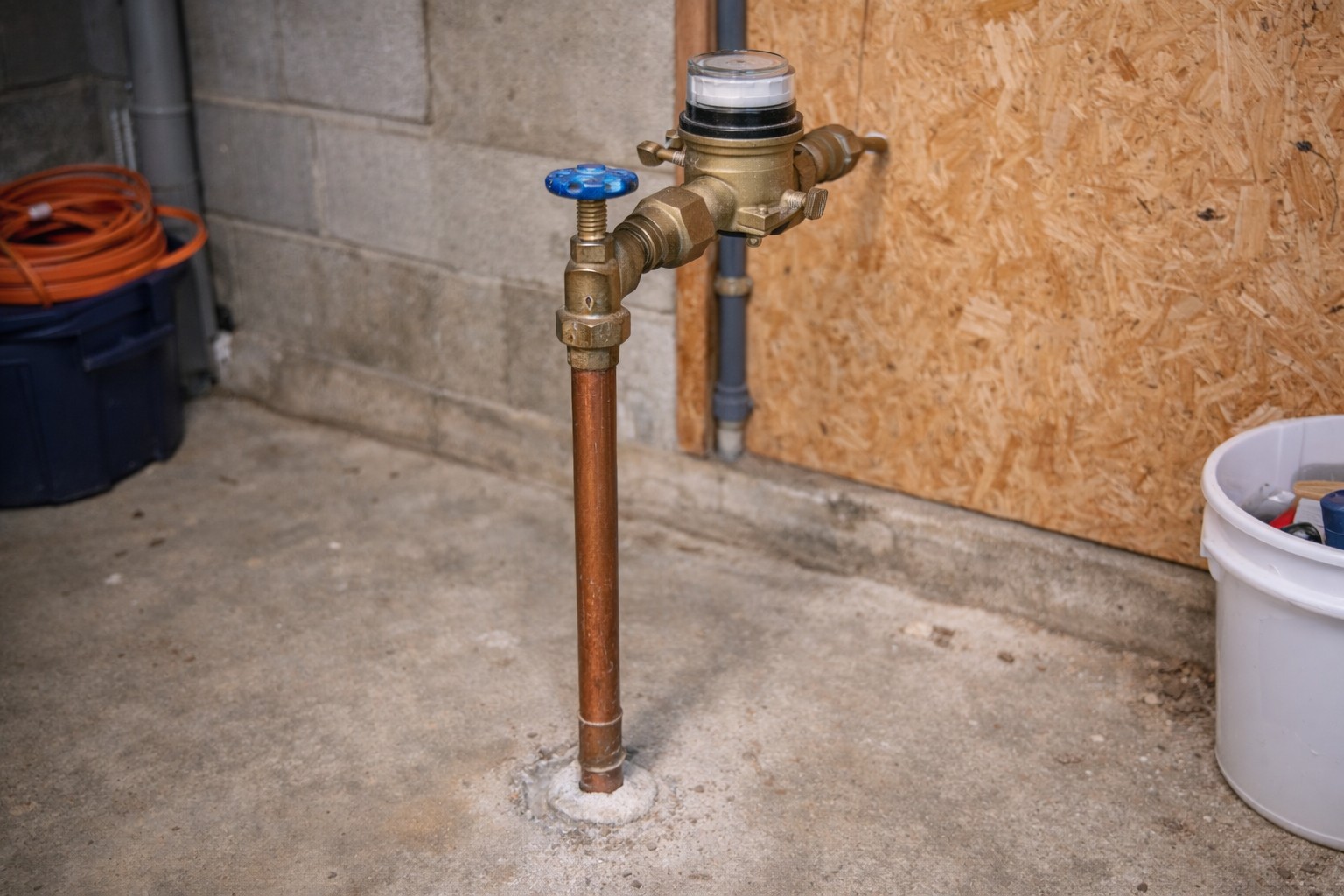
- Open the main supply valve very slowly. Have a tub spout open on the lowest level of the house so water can flow out while you control pressure.
- Open cold taps first at all fixtures, starting with the lowest level and working upward, then open hot taps to flush the heater. This helps push sediment out rather than into appliances.
4. Flushing routine
- Flush each faucet and shower until the water runs clear. Start with the closest fixtures to the main and move to the farthest.
- Run toilets by flushing several times to move any debris out of the lines.
- Keep an eye out for discoloration and debris. If you see ongoing particles, replace aerators and filter cartridges as needed.
- Use the tub spout as a controlled outlet until the house water is clear and steady to reduce the chance of Sediment clogging fixtures after outage.
5. Appliances and filters
- Leave dishwashers, washing machines and water heaters off until the water is clear and pressure is steady. For gas or electric water heaters, allow them to refill and stabilize before turning the heat back on.
- Install a temporary sediment filter at the main or use point-of-use filters for faucets that protect sensitive appliances while you verify the system is clean.
- Replace or clean aerators, shower screens and any inline filters that trap debris.
What Not to Do
- Don’t reopen the main fast; sudden flow slams sediment into fixtures and appliances.
- Don’t run appliances (dishwasher, washing machine, ice maker) until you’ve flushed and checked lines—doing so risks filling them with grit.
- Don’t assume clear water at one faucet means the whole house is clean; check multiple fixtures at different levels.
When to Call a Professional
Call a plumber if you notice persistent discoloration, low pressure after flushing, signs of damage to valves or fixtures, or if the water heater or appliances show sediment-related problems you can’t clear. A pro can install a temporary whole-house sediment filter, inspect the water heater for accumulated debris, and protect your system before full service is restored.
Safety Notes
- If the water is discolored or contains sediment, avoid drinking it until it’s clear or confirmed safe by your water utility.
- Do not heat the water heater until it has refilled completely to avoid damage to the tank or burner.
- Wear gloves and eye protection when cleaning aerators or filters to avoid cuts from metal parts or exposure to concentrated sediment.
Common Homeowner Questions
- How long should I flush? Flush each fixture until the water runs clear—often a few minutes per fixture, longer if you see particles.
- Can I use a pitcher filter instead of flushing? No. Pitcher filters won’t protect appliances or stop sediment from damaging valves; flushing and temporary whole-house filtration are better.
- Will the water utility clean my lines? Utilities may flush mains after work, but you still need to protect your home plumbing and follow the restart steps above.
For more related articles, see the Sediment & Debris at Water Entry hub.