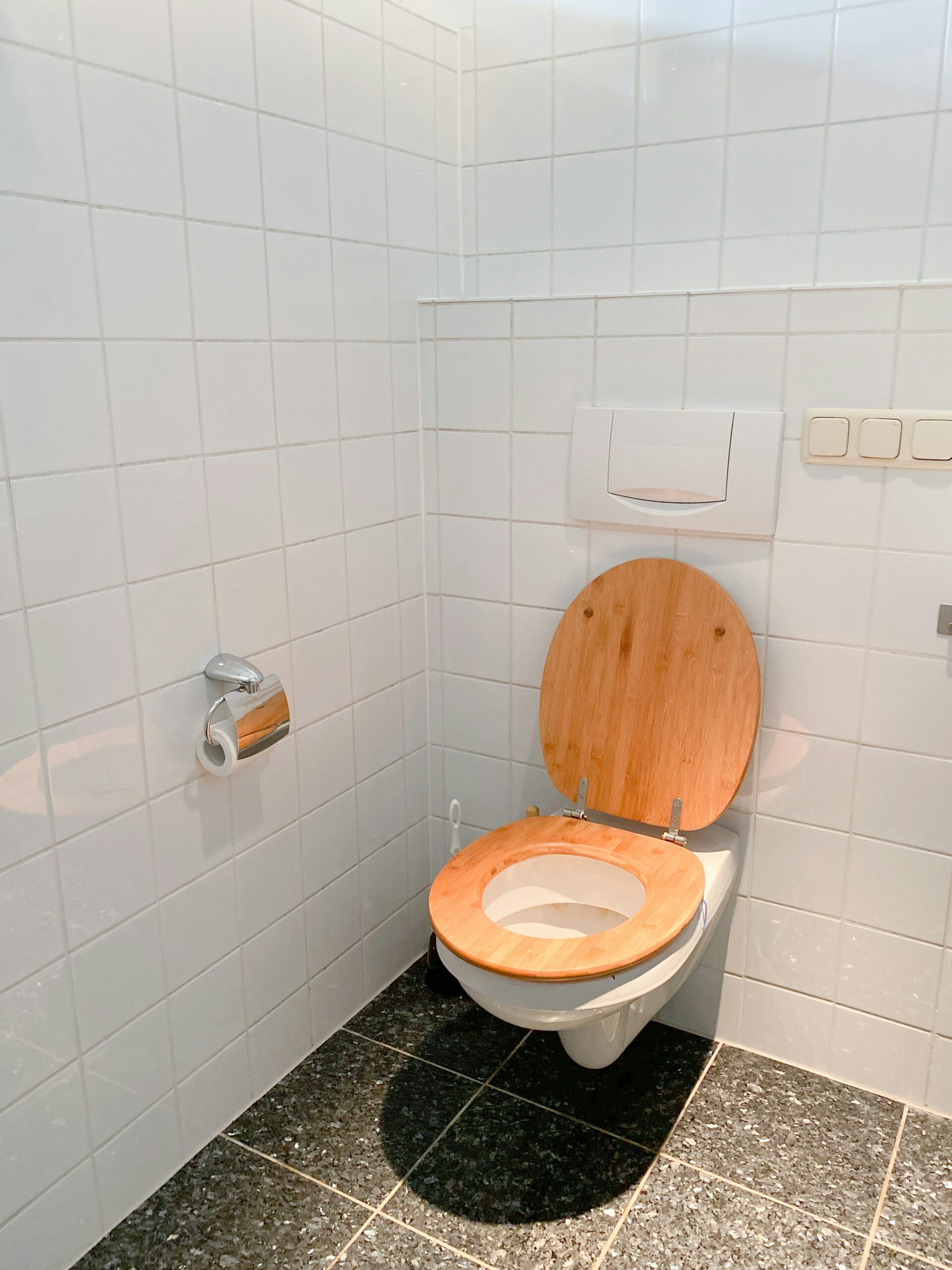
If your toilet clogs frequently — even though you’re careful about what goes into it — there’s usually an underlying issue affecting how waste moves through the toilet or drain. Occasional clogs happen, but repeated clogs are a sign something isn’t working correctly.
In many cases, the cause is a combination of toilet design, buildup, or partial blockages rather than user error.
Quick Answer:
A toilet keeps clogging because waste and water aren’t moving through the trapway or drain fast enough. This is most often caused by partial clogs, excess toilet paper, mineral buildup, low flushing power, or problems further down the drain line.
Why This Happens
Toilets rely on smooth, unrestricted flow to carry waste away quickly. When that flow is reduced, clogs become more frequent.
Common causes include:
- Partial clogs that never fully clear
- Excess toilet paper or non-flushable items
- Weak flushing performance
- Mineral buildup narrowing the trapway
- Older low-flow toilet designs
- Drain or vent restrictions beyond the toilet
Frequent clogs often overlap with a toilet that flushes weakly or a toilet bowl water level that’s too high, even if the toilet sometimes appears to work normally.
Step-by-Step: How to Reduce Frequent Toilet Clogs
Step 1: Observe When Clogs Occur
Pay attention to patterns.
Clogs may happen:
- Only after solid waste
- When large amounts of toilet paper are used
- After the toilet hasn’t been flushed recently
This usually points to limited flushing power or partial obstructions.
Step 2: Use a Plunger Correctly
Use a toilet plunger with a good seal.
- Apply steady, controlled plunges
- Stop if water rises too high
- Allow time between attempts for water to drain
If plunging helps temporarily but clogs return, a partial blockage is likely still present.
Step 3: Evaluate Flushing Strength
Weak flushing makes clogs more likely.
Check for:
- Low tank water level
- Flapper closing too soon
- Blocked rim jets
These issues are closely related to why a toilet won’t flush properly and should be addressed first.
Step 4: Consider Buildup Inside the Toilet
Over time, mineral deposits can narrow internal passages.
If buildup is suspected:
- Clean the bowl thoroughly
- Use descaling products designed for toilets
- Brush under the rim to clear jets
Severe buildup may require professional cleaning.
Step 5: Look Beyond the Toilet
If clogs happen frequently and other drains are slow or noisy, the issue may be further down the drain line.
This often overlaps with causes behind intermittent toilet overflows or toilet gurgling.
What Not to Do
- Don’t flush wipes, paper towels, or hygiene products
- Don’t rely on chemical drain cleaners
- Don’t ignore recurring clogs
- Don’t keep flushing when drainage is slow
Chemical cleaners can damage pipes and make future clearing harder.
When to Call a Professional
Call a plumber if:
- Clogs return frequently despite plunging
- Multiple toilets clog often
- Drains are slow throughout the house
- Sewage odors are present
These signs often indicate drain or vent problems beyond the toilet itself.
Safety Notes
- Stop flushing if water rises toward the rim
- Keep towels nearby when clearing clogs
- Shut off the toilet supply valve if overflow risk continues
- Clean spills promptly to prevent floor damage
Common Homeowner Questions
Why does my toilet clog even with normal use?
Partial blockages, weak flushing, or buildup can cause clogs even when usage seems reasonable.
Can an old toilet clog more often?
Yes. Older or early low-flow toilets often struggle with waste removal.
Will replacing the toilet fix frequent clogs?
Sometimes. But drain or vent issues should be ruled out first.