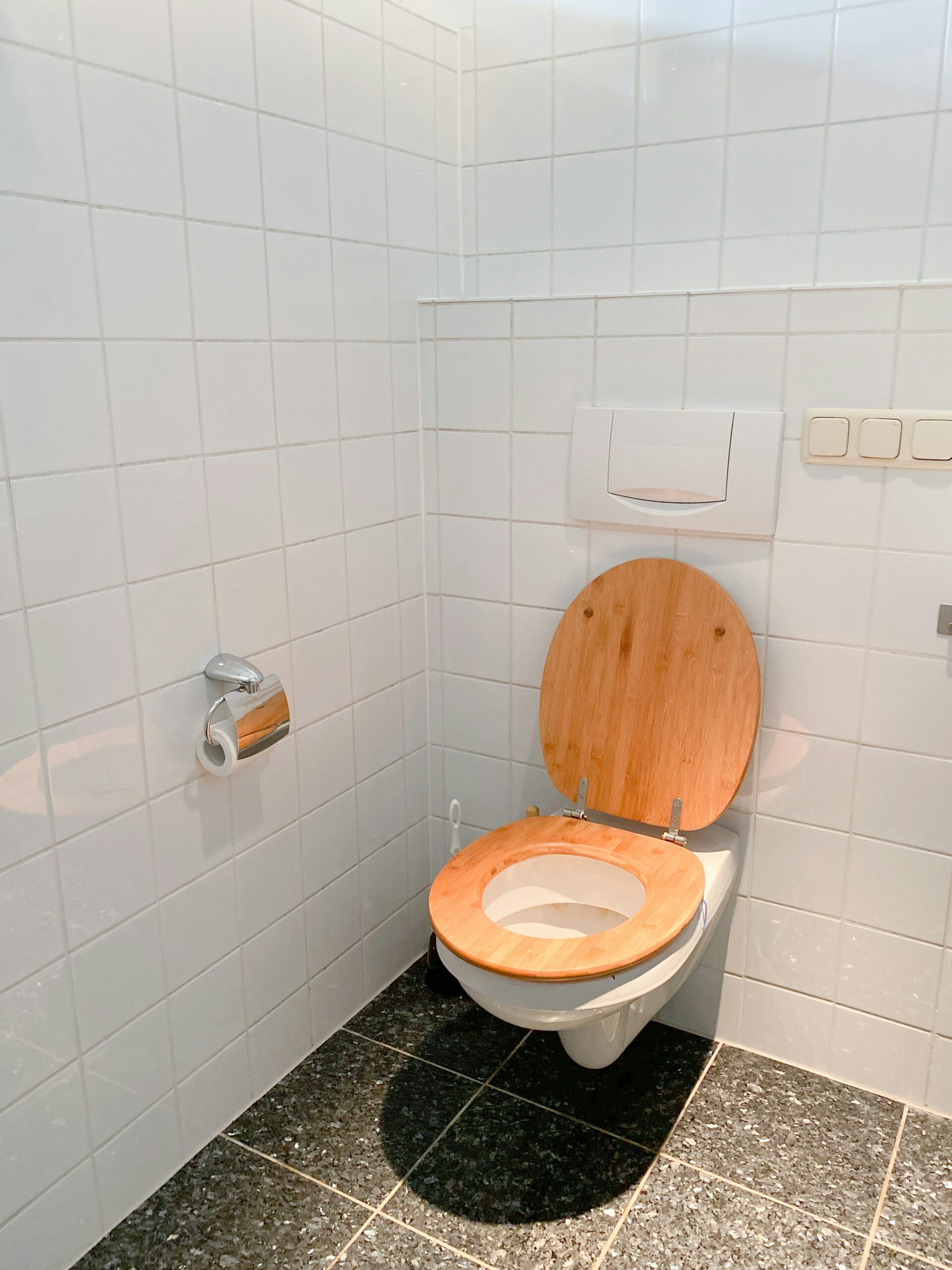
If the water level in your toilet bowl looks unusually low, the toilet may not flush properly and can allow sewer odors to enter the bathroom. A low bowl water level is a common issue and is usually caused by a problem with how water enters or exits the bowl — not the tank.
In most cases, this can be diagnosed and corrected without replacing the toilet.
Quick Answer:
A toilet bowl water level is too low when water is being siphoned out of the bowl or not replenished properly. This is most often caused by a partial clog, venting issue, or a problem with the toilet’s internal trapway.
Why This Happens
The water level in the toilet bowl is controlled by the toilet’s internal trap design, not by the tank water level. When something interferes with that balance, the bowl may not hold enough water.
Common causes include:
- Partial clogs in the toilet or drain line
- Venting problems that pull water out of the bowl
- Siphoning caused by nearby fixtures draining
- Mineral buildup inside the trapway
- Improper flushing behavior
A low bowl level often appears alongside gurgling noises from the toilet, even if the toilet doesn’t overflow.
Step-by-Step: How to Fix a Low Toilet Bowl Water Level
Step 1: Flush and Observe
Flush the toilet and watch the bowl carefully.
Look for:
- Water draining out too quickly
- Water level dropping lower than normal after the flush
- Bubbling or gurgling during or after flushing
These signs help indicate whether siphoning or drainage issues are present.
Step 2: Try Plunging
Use a toilet plunger and apply several firm plunges.
Even if the toilet isn’t clogged, plunging can:
- Clear partial blockages
- Restore normal water levels
- Improve airflow in the drain
If the water level improves temporarily, a partial clog is likely still present.
Step 3: Check Other Fixtures
Run water in nearby sinks, tubs, or showers.
If the toilet bowl water level changes when other fixtures drain, the issue may involve:
- Shared drain lines
- Venting problems
This often overlaps with causes behind toilet gurgling or bubbling.
Step 4: Inspect the Bowl for Buildup
Mineral deposits inside the bowl’s internal passages can restrict proper water flow.
If buildup is visible:
- Use a toilet brush to clean thoroughly
- Consider a descaling cleaner designed for toilets
Persistent buildup may require deeper cleaning or professional service.
Step 5: Consider Venting Issues
Blocked plumbing vents can cause negative pressure that siphons water out of the bowl.
Vent problems often cause:
- Low bowl water levels
- Gurgling sounds
- Sewer odors
These issues usually affect more than one fixture.
What Not to Do
- Don’t ignore a consistently low bowl water level
- Don’t keep flushing repeatedly
- Don’t pour harsh drain chemicals into the toilet
- Don’t assume the tank water level controls the bowl
A low bowl water level is a drainage or airflow issue, not a tank adjustment problem.
When to Call a Professional
Call a plumber if:
- Plunging does not restore the bowl level
- The water level drops repeatedly
- Sewer smells are present
- Multiple fixtures are affected
These signs often point to vent or drain blockages beyond the toilet itself.
Safety Notes
- Avoid repeated flushing if water behavior is abnormal
- Watch for overflow when troubleshooting
- Keep bathroom floors dry to spot leaks
- Stop using the toilet if backups begin to occur
Common Homeowner Questions
Is a low bowl water level dangerous?
It’s not immediately dangerous, but it can allow sewer gases into the bathroom and affect flushing performance.
Can adjusting the tank water level fix this?
No. The bowl water level is controlled by the toilet’s internal design and drainage, not the tank setting.
Why does the water level change on its own?
This usually indicates siphoning caused by drainage or venting issues.