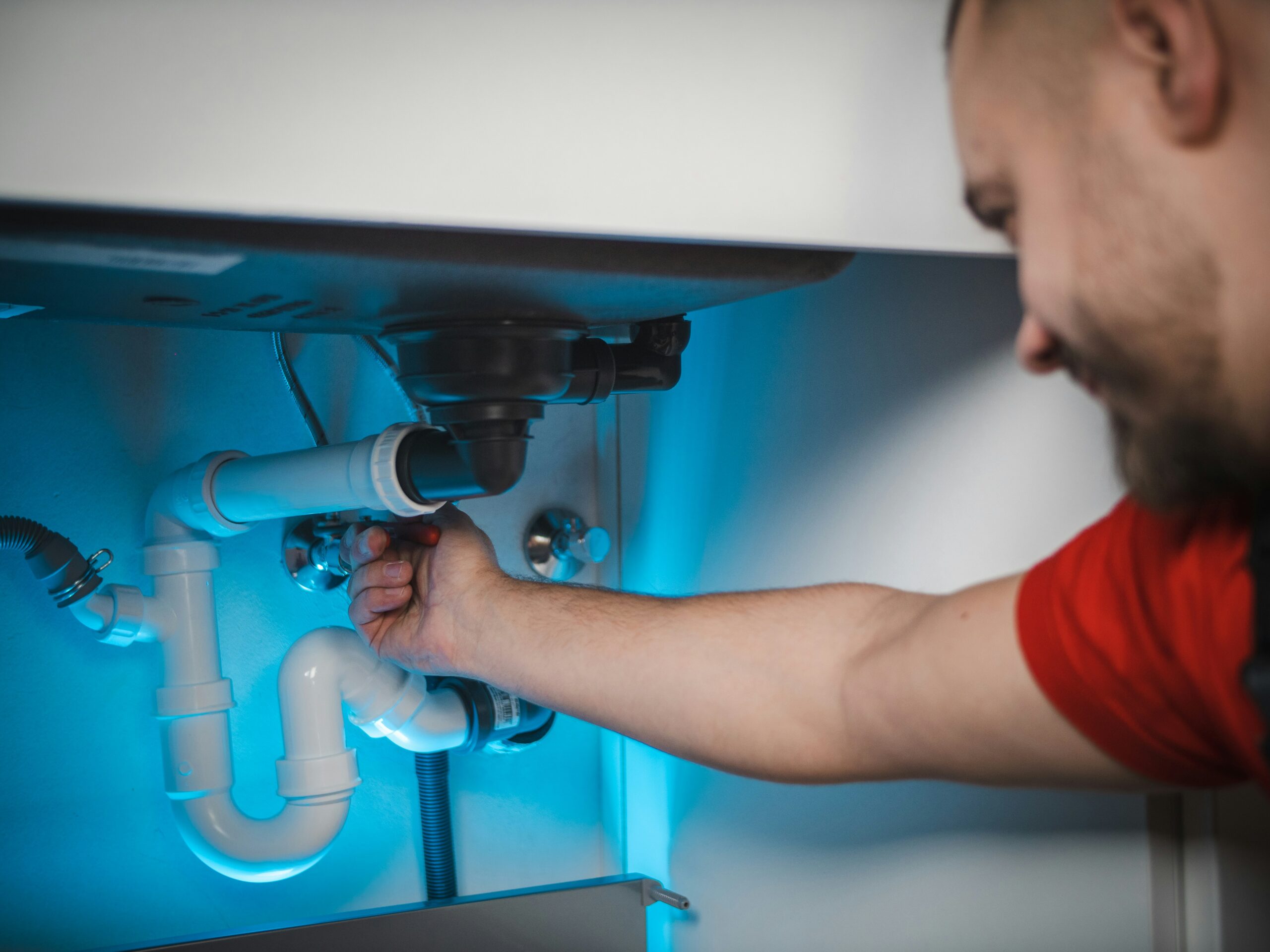
If your sink smells like sewer gas, rotten eggs, or a strong sewage odor, it’s a problem that should be taken seriously. These smells are not normal and usually mean something is allowing gases from the drain system to escape into your home.
In most cases, the issue is related to a loss of the water seal that normally blocks sewer gases.
Quick Answer:
A sink smells like sewer gas when sewer gases escape past the drain’s water seal. This is most often caused by a dry or empty P-trap, siphoning from venting issues, drain blockages, or leaks under the sink.
Why This Happens
Plumbing systems rely on water-filled traps to block sewer gases from entering living spaces. When that water barrier is missing or disturbed, odors can travel freely through the drain.
Common causes include:
- A dry P-trap from infrequent sink use
- Siphoning caused by venting problems
- Partial drain blockages pulling water from the trap
- Leaks or loose connections under the sink
- Cracks in drain pipes
Sink sewer smells often appear alongside a gurgling sink or slow drainage, even if the sink still appears to function normally.
Step-by-Step: How to Stop Sewer Gas Smells from a Sink
Step 1: Run Water in the Sink
Turn on the faucet and let water run for 30–60 seconds.
This refills the P-trap and restores the water seal if the sink hasn’t been used recently.
If the smell disappears and returns later, evaporation or siphoning may be the cause.
Step 2: Check for Gurgling or Bubbling
Run water and listen closely.
If you hear:
- Gurgling sounds
- Bubbling in the drain
- Air movement noises
…it may indicate siphoning caused by vent or drainage issues.
Step 3: Inspect Under the Sink
Look under the sink for:
- Loose fittings
- Cracked pipes
- Damp spots or stains
Leaks can allow sewer gas to escape even if water doesn’t visibly drip.
Step 4: Clean the Drain
Organic buildup can trap odors and worsen sewer smells.
- Remove debris from the drain opening
- Clean the P-trap if accessible
- Flush the drain with hot water
This can reduce odor-causing residue.
Step 5: Observe Other Fixtures
Run nearby sinks, tubs, or appliances.
If sewer smells appear in multiple places, the issue may involve shared drain lines or venting rather than the sink alone.
What Not to Do
- Don’t mask sewer smells with air fresheners
- Don’t ignore recurring odors
- Don’t pour harsh chemicals into the drain
- Don’t assume the smell will go away on its own
Persistent sewer odors almost always indicate a real plumbing issue.
When to Call a Professional
Call a plumber if:
- Sewer smells return quickly after running water
- Multiple sinks or drains smell like sewage
- You notice gurgling and slow drainage together
- Leaks are present under the sink
These signs often indicate vent or drain problems beyond the sink itself.
Safety Notes
- Ventilate the area if odors are strong
- Avoid prolonged exposure to sewer gases
- Clean spills promptly under the sink
- Stop using the sink if leaks worsen
Common Homeowner Questions
Is sewer gas dangerous?
In small amounts it’s usually not dangerous, but it should never be ignored.
Why does the smell come and go?
Water levels in the P-trap can change due to evaporation, siphoning, or pressure changes.
Can a clogged sink cause sewer smells?
Yes. Partial clogs can disrupt airflow and water seals, allowing odors to escape.