Quick Answer:
If the sink has steady hot water but the shower stays lukewarm or cold, the problem is usually local to the shower valve or its controls — not the water heater. Start by confirming the sink’s hot water is consistent, then run the shower on full hot and check the shower’s anti-scald limiter, cartridge and valve stops. If those checks don’t fix it, call a plumber.
Why This Happens
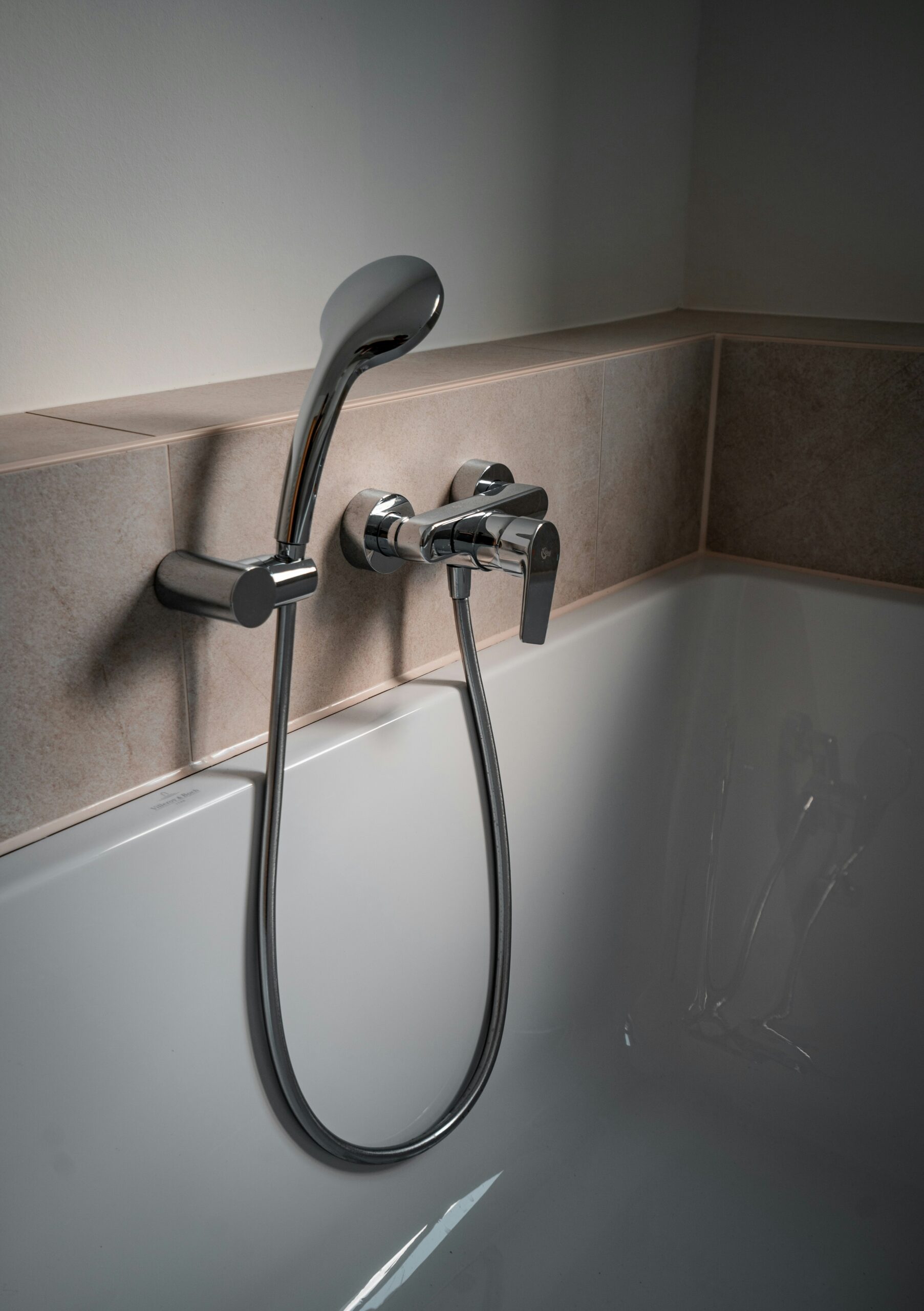
Most homes use a mixing valve for showers that blends hot and cold to keep water at a safe temperature. When the sink gets hot but the shower does not, the water heater and supply lines are usually fine. Common causes at the shower include:
-
- a stuck or blocked hot side in the shower cartridge or valve
<li an adjustable anti-scald or temperature limiter set too low
<li partially closed supply (valve) stops feeding the shower
<li a faulty diverter or damaged cartridge that reduces hot flow
Step-by-Step What to Do
1. Confirm the sink hot water is consistent
Turn the hot faucet at the sink fully on for one to two minutes. Watch temperature and flow. If the sink provides steady hot water at normal temperature, the water heater and hot supply up to the house are working.
2. Run the shower on full hot
Set the shower control to the hottest setting and let it run for one to two minutes. Note whether the temperature increases at all and whether the flow changes. A shower that stays cool even after a minute suggests the hot side of the shower valve is not delivering.
3. Verify valve stops (if present) are open
Many showers have small stop valves on the hot and cold supply lines behind an access panel. Confirm both stops are fully open by turning them counterclockwise until they stop. If a stop was partially closed, opening it often restores hot flow.
4. Check the anti-scald limit
Modern shower valves often include a limiter or temperature stop to prevent scalding. This is usually a small plastic clip or adjustment within the handle assembly. Check the handle or the valve cartridge instructions for a limiter adjustment and move it slightly toward hotter only if you can do so safely. If you recently had plumbing work or turned the water off and back on, the limiter may be in a conservative position — see no hot water after turning the water back on for related guidance.
5. Look for cartridge blockage on the hot side
Mineral deposits or debris can block the hot inlet inside the cartridge or mixing valve. If you are comfortable removing the handle and trim, you can inspect the cartridge for visible buildup. If you find scale or debris, gently clean or replace the cartridge according to the manufacturer’s instructions. If you are unsure, stop and call a pro — improper reassembly can cause leaks.
6. If you shut off water recently, consider how it was restored
Sediment and trapped air can shift when water is turned back on quickly. If you or a contractor recently shut off and then reopened the main supply, reopening slowly can help flush debris instead of pushing it into fixtures. For safe steps to restore service, remember to turn the water back on slowly.
What Not to Do
- Do not remove safety stops (anti-scald devices) without a plan for how to reset them. Removing them can cause scalding or valve damage.
- Do not keep running water until it becomes scalding hot to “test” the problem. That risks burns and wastes water.
- Do not assume the water heater is the issue if other fixtures in the house deliver hot water normally.
When to Call a Professional
- If you find corrosion, broken parts, or a cartridge you cannot remove and clean safely.
- If the hot stop valves are seized, leaking, or you cannot access the shower valve behind the wall.
- If adjusting the anti-scald limiter or cleaning the cartridge does not restore hot water to the shower.
- If you are unsure how to shut off the water to the shower before working on the valve — a plumber can shut it off and isolate the fixture safely.
Safety Notes
- Always shut off the water supply to the shower before disassembling the trim or cartridge unless the design allows cartridge removal under pressure.
- Use a thermometer or your wrist to test temperature carefully; avoid sudden changes that can cause burns.
- Work slowly and keep track of small parts. If you need to remove a temperature limiter, document its position so you can restore it.
Common Homeowner Questions
- Q: Why does the sink get hot but the shower doesn’t?
A: Usually a problem in the shower valve, such as a blocked cartridge, anti-scald limiter set too low, or partially closed shower stop. - Q: How long should I run the shower before it gets hot?
A: One to two minutes is enough to tell if hot water is arriving; if not, follow the steps above. - Q: Can I replace the cartridge myself?
A: If you’re comfortable with basic plumbing, you can follow the valve manufacturer’s instructions; otherwise call a plumber to avoid leaks or damage.