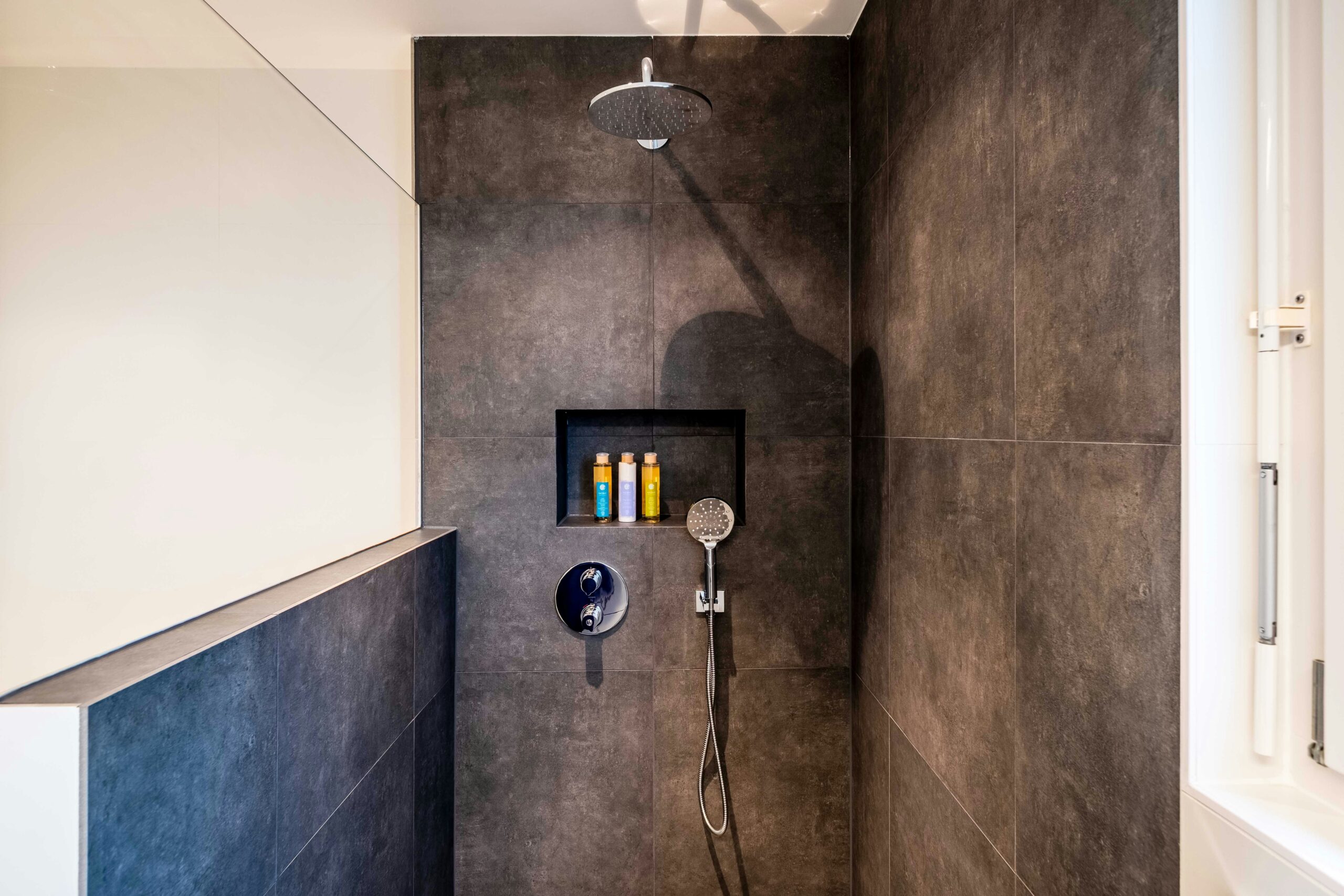
A new change in shower-water color, particles, cloudiness or odor after supply work needs source-specific advice. Disturbed material and tiny bubbles are possible contexts, but a clear stream or fading smell cannot certify the water for drinking or bathing.
Use the actual water-use advice first
For a new, unexplained water-quality change: do not deliberately taste the water. Use bottled water or another known-safe supply for drinking, food preparation, teeth brushing and ice while you contact the supplier. Follow the actual local notice for other uses. Boiling does not make chemically contaminated water safe, and clear appearance or a fading odor does not certify safety.
For a new unexplained change, contact the supplier or appropriate well-water/health provider before deliberate flushing or contact tests. Follow the actual notice for bathing and all other uses. Stop using water with concerning chemical or sewage-like changes until the cause and applicable restrictions are addressed; a clear appearance is not an alternative clearance.
Record the original pattern
- The work or outage date, contractor and public-water or well source, including any current notice.
- The original shower observation, hot/cold setting, affected outlets and whether particles or color persisted. Use existing observations instead of running every fixture.
- Recent heater, filter or treatment work and any requested laboratory sampling instructions. Do not taste the water or recreate an odor to classify it.
Before flushing or cleaning the head
- Ask whether sampling is required first and follow the supplied collection instructions. An improvised sample after a purge may not answer the intended question.
- Where the supplier directs restoration, use its selected outlet, sequence and completion criteria with a drain that can safely receive the flow, safe temperature and continuous attendance. Do not automatically run cold then hot or extend a timer until the color disappears.
- If the showerhead requires owner cleaning after the source concern is assessed, identify the actual removable part and finish-care instructions. Control the outlet, residual water and temperature; use only compatible cleaners and refit before normal use.
- Do not drain a heater, change filters, add disinfectant or raise temperature as a guessed water-quality remedy. Actual equipment service and safe restart require that product’s procedure.
Does one affected shower prove a local problem?
It helps describe the scope but does not uniquely locate the cause or certify unaffected outlets. Likewise, several affected fixtures do not by themselves assign public versus private responsibility. Give the provider the work history and observations, then follow any targeted testing or inspection.
Report persistent or returning changes promptly rather than waiting five or ten minutes as a safety test. Appropriate testing covers the substances and sampling conditions actually assessed; it is not a universal household clearance.
Related guides
- water smells or looks dirty after a shutoff
- turn water back on safely
- After-Shutoff / After-Repair Water Quality Issues
- Why Your Bathtub Water Is Cloudy or Brown After Plumbing Work
- Air coming from showerhead
For common shower and bathtub questions and the existing symptom directories, browse Shower & Bathtub Water Delivery.
Safety sources
- CDC: drinking-water advisories
- EPA: source advice, water-use notices and directed household flushing
- EPA: certified drinking-water laboratories
- EPA: laboratory sample containers and handling
- Example electric-heater manual: filling and maintenance requirements
- BrassCraft: water supply stop instructions