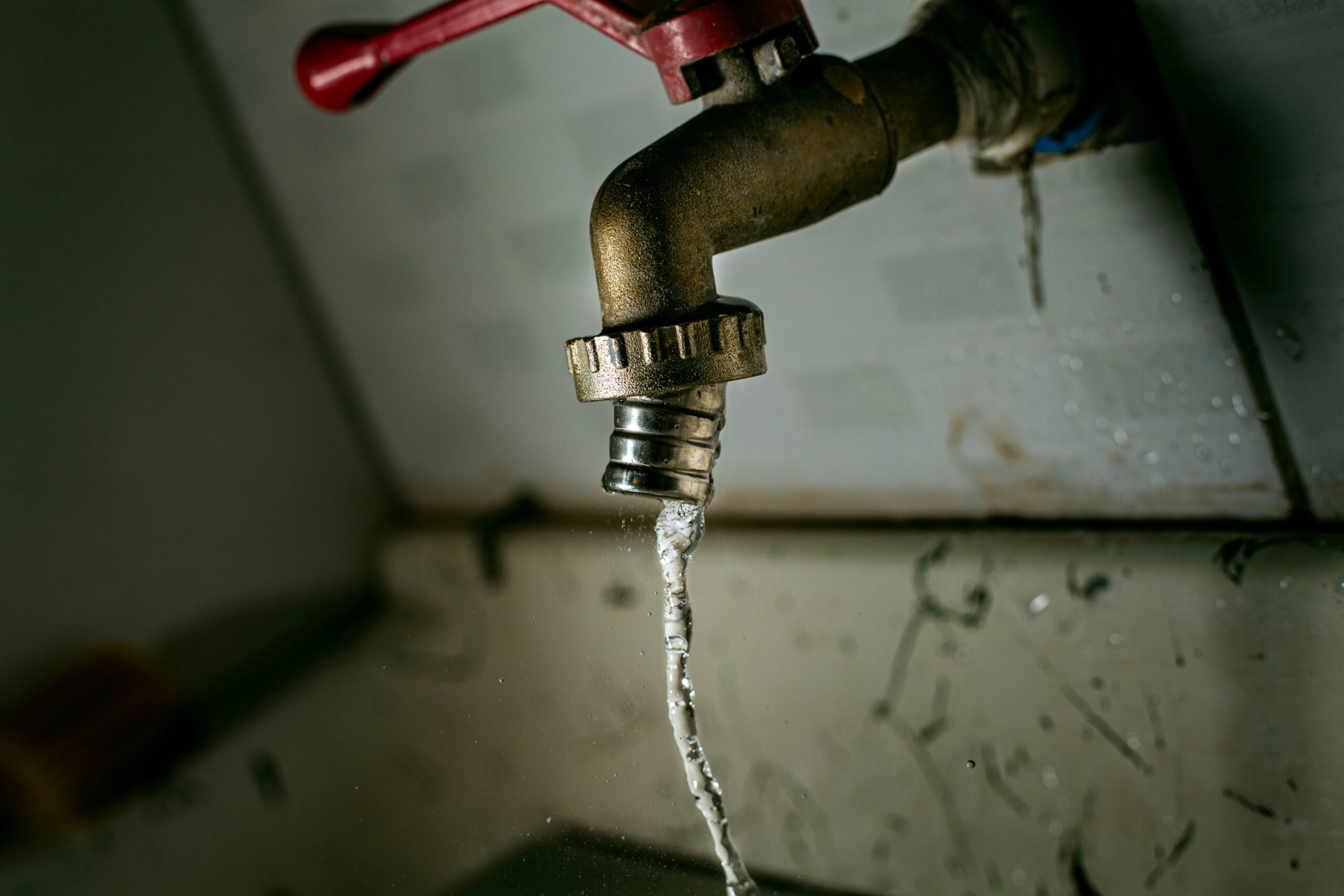
Knowing where your main water shutoff valve is located can save you thousands of dollars in water damage. The problem is that many homeowners don’t know where it is until they’re already dealing with a leak or emergency.
The location depends on how and when your house was built, but there are a few very common places to check.
Quick Answer:
The main water shutoff valve is usually located where the main water line enters the house. Common locations include the basement, crawl space, utility room, garage, or outside near the foundation. If you can’t find it inside, it may be at the street near the water meter.
Why the Shutoff Valve Location Varies
There is no single standard location for all homes. Builders place the shutoff valve based on:
- Local building codes
- Climate (freeze risk)
- Foundation type
- Age of the house
That’s why two houses on the same street can have different shutoff locations.
Knowing this location is critical before you ever need to shut off water to your house in an emergency.
Common Places to Look Inside the House
Start by finding where the main water line enters the home. This is often near the front or side of the house.
Check these areas carefully:
- Basement, near the foundation wall
- Crawl space, close to where pipes enter
- Utility room or laundry room
- Garage, especially on exterior walls
- Near the water heater
Look for a pipe coming through the wall or floor with a valve attached.
What the Main Shutoff Valve Looks Like
There are two common valve types:
Gate valve
Has a round wheel handle. You turn it clockwise to shut off water.
Ball valve
Has a lever handle. Turning it 90 degrees so it’s perpendicular to the pipe shuts off water.
If the valve looks corroded or won’t turn easily, that’s important to note and may relate to how to tell if a water shutoff valve is broken or stuck.
If You Can’t Find the Valve Inside
Some homes, especially older ones, do not have an accessible interior shutoff valve.
In that case, check outside:
- Near the foundation on the side facing the street
- In a ground-level box near the curb
- Near the water meter
The valve may be under a metal or plastic cover labeled “water.”
If you still can’t find it, your local water utility can usually tell you where it’s located.
Step-by-Step: How to Confirm You Found the Right Valve
- Turn the valve slowly clockwise
- Open a faucet inside the house
- If water flow stops, you found the main shutoff
If water keeps running, you may be looking at a secondary valve instead of the main one.
Once confirmed, turn the valve back on slowly to avoid pressure issues like low water pressure after turning the water back on.
What Not to Do
- Don’t force a valve that won’t turn
- Don’t assume a nearby valve is the main one
- Don’t wait until an emergency to locate it
- Don’t block access to the valve with storage
A stuck or hidden valve is a problem waiting to happen.
When to Call a Professional
Call a plumber if:
- You cannot locate the shutoff valve
- The valve won’t turn or feels loose
- The valve leaks when operated
- The valve is buried behind walls or flooring
Replacing or relocating a main shutoff valve is usually straightforward and far cheaper than water damage.
Safety Notes
- Locate and test the shutoff valve before emergencies
- Make sure all adults in the home know where it is
- Turn valves slowly to avoid pressure shock
- Check for leaks after operating the valve
Preparation here prevents panic later.
Common Homeowner Questions
Is the water meter the same as the shutoff valve?
No. The meter measures usage. The shutoff valve may be nearby but is a separate component.
Can I add a second shutoff valve?
Yes. Many homeowners install an interior shutoff for easier access.
Should I test the valve regularly?
Yes. Turning it once or twice a year helps prevent it from seizing.