Quick Answer:
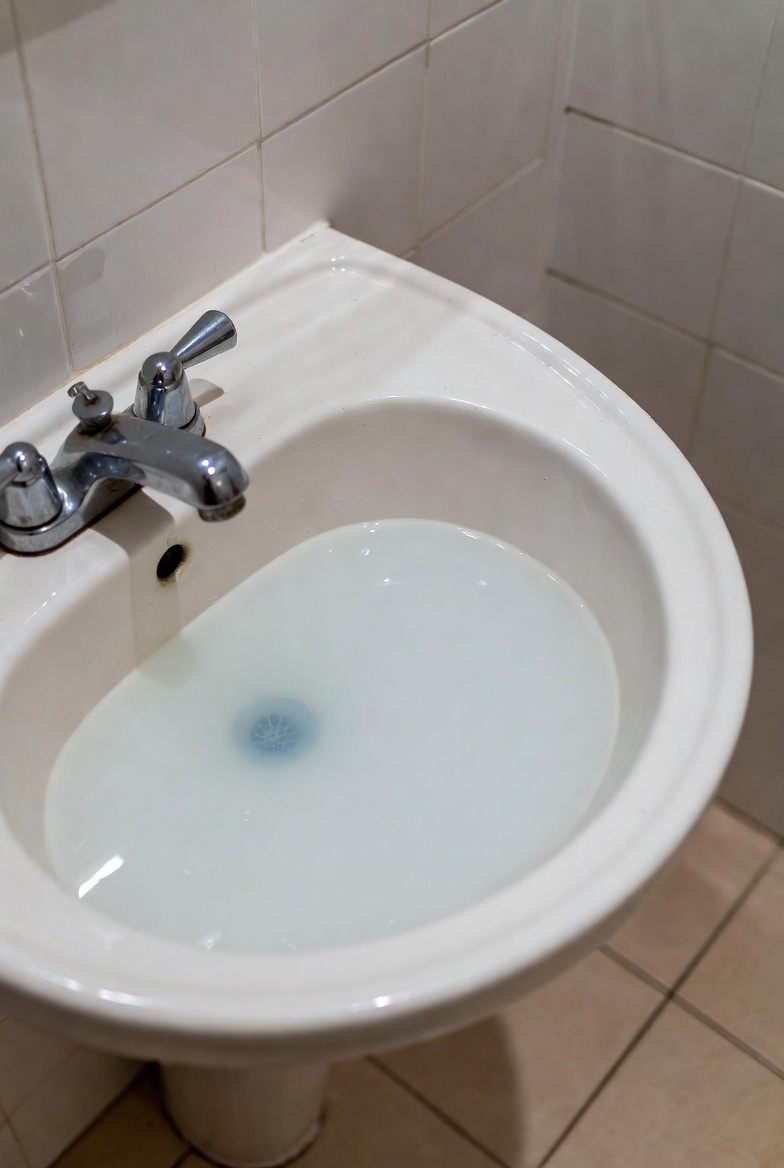
If water in one bowl (toilet or sink) rises or falls when another fixture is used, it usually means air or water is traveling through shared drains, traps, or vents because of a partial blockage or a pressure imbalance. Note the fixtures and conditions that trigger the change, try simple isolation checks, and call a plumber if the problem continues or smells like sewage.
Why This Happens
Plumbing fixtures share drain lines and vents. When something is partly blocked—like a branch drain or the vent stack—using one fixture can push water or air into another. Trapped air can cause water to slosh, and a blockage can cause backpressure that forces water between connected bowls. Intermittent behavior often means the obstruction is partial or shifts with flow, and temperature or appliance cycles can change how the system reacts.
Step-by-Step What to Do
1. Watch and record what happens
- Keep a quick log: time, fixture used (shower, sink, dishwasher, washing machine), and what the bowl did (bubbled, water rose, siphoned).
- Cross-flow occurs intermittently—use this log to see patterns and whether it aligns with appliances or hot water use.
2. Narrow the trigger
- Watch which fixtures trigger the cross-flow to narrow the cause. Run one fixture at a time and observe the bowl.
- Test upstairs vs. downstairs fixtures separately if you have multiple floors.
3. Try simple, safe fixes
- Use a plunger on the affected bowl to clear a near-trap clog.
- Flush multiple times and run a sink or tub for a few minutes to see if the issue eases—this can sometimes move a soft clog.
- If the problem only shows when hot water is used, note that pattern for the professional. See the notation: Cross-flow only when hot water used.
4. Isolate fixtures when possible
- Close local shutoff valves for a fixture (if accessible) and see if the issue stops. That helps locate the problem to a branch of the system.
- A washing machine or dishwasher may cause intermittent pressure changes; run those separately to test.
What Not to Do
- Do not ignore intermittent symptoms; they often worsen.
- Don’t pour strong chemical drain cleaners down multiple fixtures to “fix” shared drain issues—these can damage pipes and create unsafe conditions.
- Avoid attempting major digging or sewer line work yourself; that can be unsafe and may require permits.
When to Call a Professional
- Call a plumber if multiple fixtures are affected, there’s a sewage smell, or the problem returns after simple plunging or isolation tests.
- Also call if water backs up into fixtures, if slow drains are widespread, or if you can’t safely access shutoffs and vents.
- A licensed plumber can inspect vents, run a camera in the drain, and safely clear or repair blockages.
Safety Notes
- Avoid climbing on the roof to check vents unless you are experienced and have proper fall protection—hire a pro for vent inspections if needed.
- Wear gloves and eye protection when dealing with standing water or sewage; wash hands thoroughly afterward.
- If you detect a strong sewer gas smell, ventilate the area and call a professional—do not use open flames or create sparks near a suspected gas source.
Common Homeowner Questions
- Is this an emergency? Not always—monitor patterns. If there’s backup, sewage smell, or water entering living spaces, treat it as urgent and call a plumber.
- Can I fix it myself? Sometimes a plunger or isolating a fixture helps, but persistent or widespread problems need a pro.
- Could the sewer line be blocked? Yes—if several drains are slow or water returns to multiple bowls, a main sewer or branch blockage is possible and requires professional clearance.