Quick Answer:
If water from one sink bowl runs into the unused bowl, the two bowls are sharing the same drain and something is slowing or redirecting flow. It’s usually a partial clog, a misaligned pop-up/stopper, or an issue with the trap or vent. You can often diagnose and sometimes clear it yourself by running each bowl separately and checking the trap and disposal.
Why This Happens
- Most double-bowl sinks share a single drain line. When one bowl flows, water and air look for the easiest path into that shared drain and can spill into the other bowl if flow is restricted.
- Common causes: a partial clog downstream, a stuck or misaligned stopper, a clogged P-trap, or poor venting that causes air to push water into the other bowl.
- Garbage disposals can also redirect flow if the knockout plugs, seals, or mounting are not seated correctly.
- You may notice related symptoms such as the other bowl filling slowly or bubbling — similar to what happens when the scenario ” Left bowl backs up when right drains ” describes.
Step-by-Step What to Do
1. Observe how the water moves
- Run water in one bowl only, then the other. Watch whether water drains cleanly or spills into the unused bowl. This helps confirm the shared-drain behavior and whether the problem follows one side consistently.
2. Check the stopper and overflow
- Remove or lift the stopper and run water again. A misaligned or clogged stopper can redirect flow. Also check the overflow channel on each bowl for blockages.
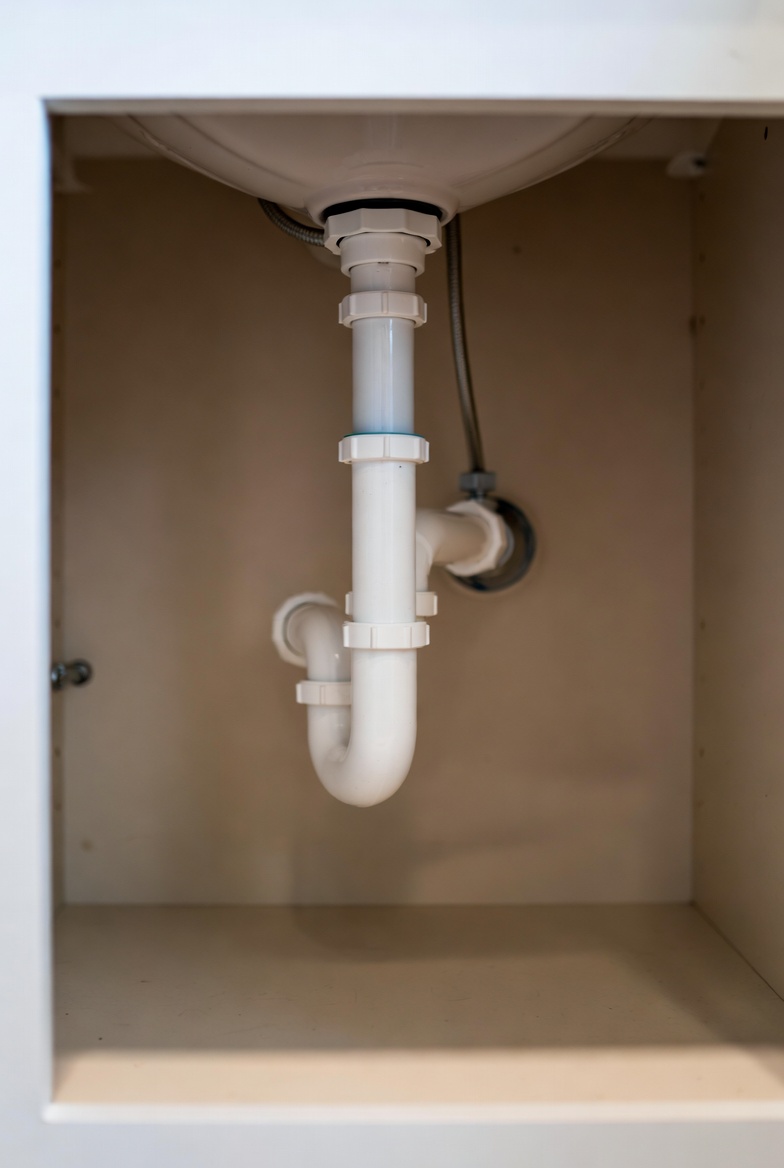
3. Inspect and clean the P-trap
- Place a bucket under the trap, loosen the slip nuts and remove the trap. Clean out hair, grease, and debris, then reassemble and test.
4. Use a plunger or small drain snake
- With the other bowl blocked (cover it with a wet cloth), plunge the affected bowl to try to dislodge a partial clog. If plunging doesn’t help, try a handheld drain snake down the bowl’s drain to break up the obstruction.
5. Check the garbage disposal
- If a disposal is installed, make sure it’s running properly and not retaining debris. Turn the power off at the switch or breaker before putting your hand near it.
6. Re-test flows
- After each intervention, run water in one bowl at a time and observe how flow enters the shared drain to confirm whether the issue is resolved.
What Not to Do
- Do not force water through the backing-up bowl.
- Do not pour large amounts of harsh chemical drain cleaner into the sink — they can damage pipes and cause dangerous splashes if the clog gives way suddenly.
- Do not work on the disposal or wiring without turning power off and following basic safety steps.
When to Call a Professional
- If both bowls continue to back up or the drain smells strongly of sewage.
- If plunging, snaking, and trap cleaning do not clear the problem, or if you suspect a deeper clog in the house or main sewer line.
- If you notice repeated clogs, slow drainage throughout the house, or persistent bubbling and gurgling — especially if the other fixtures are affected or the symptom resembles **Opposite bowl gurgles**.
- If you’re uncomfortable working under the sink, or the plumbing connections leak after you reassemble them.
Safety Notes
- Turn off power to a garbage disposal at the switch or breaker before inspecting or working on it.
- Wear gloves and eye protection when cleaning traps or using tools. Have a bucket and rags ready for spills.
- Avoid mixing chemical cleaners and never use strong chemicals if you have a septic system without checking first.
Common Homeowner Questions
- Q: Is this an emergency? A: Not usually—unless sewage is coming up or there is a strong odor, in which case call a plumber right away.
- Q: Will a plunger fix it? A: A plunger often clears partial clogs; block the other bowl and try several firm plunges before moving to a snake.
- Q: Can I use a chemical drain cleaner? A: Not recommended—chemicals can damage pipes and are unsafe if the clog suddenly clears while you’re working on the sink.